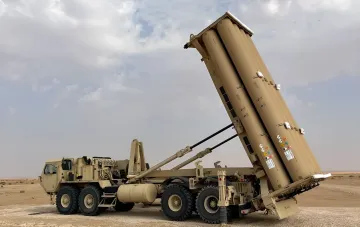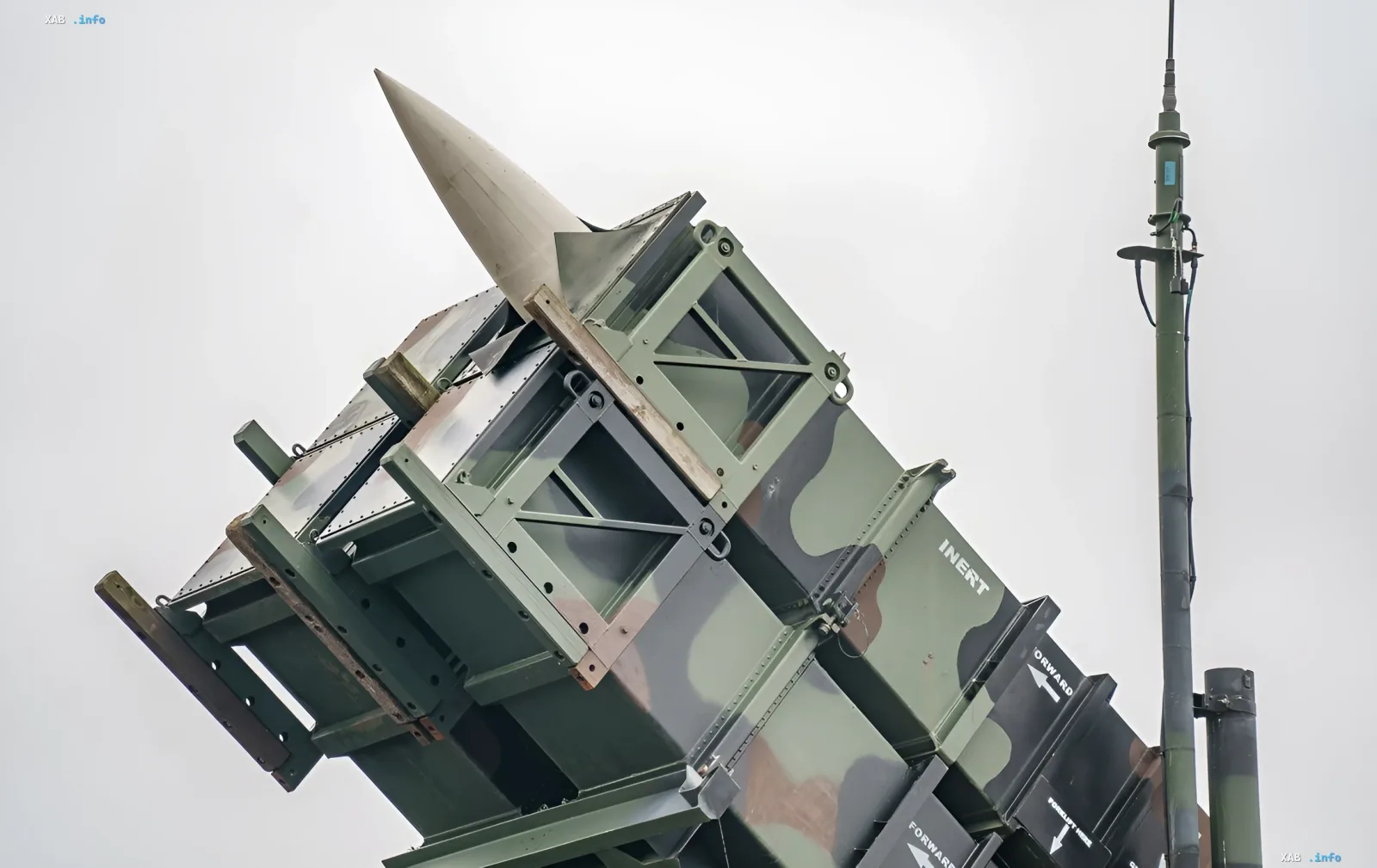
Against the backdrop of escalating air threats and depleting stockpiles, the issue of joint production of interceptor missiles for Patriot air defense systems (ADS) has become one of the key points in the dialogue between Washington and Kyiv. Despite skeptical statements from American leader Donald Trump, negotiations continue, and diplomatic channels remain open.
Technology Security vs. Military Necessity
Official Washington is considering several scenarios for future defense-industrial cooperation. However, as noted by US agencies, the top priority remains the security of its own technologies. The agency confirms that the White House has not imposed an official ban on conducting negotiations, leaving room for diplomats to maneuver.
The visit of the US Ambassador to NATO, Matthew Whitaker, to Kyiv became another stage in this process. During the meeting, the sides discussed the possibilities of innovative cooperation, trying to find a balance between the needs of Ukraine's defense and the requirements of American secrecy.
Time Pressure and Depleting Stockpiles
The situation on the front dictates harsh conditions. Ukraine has an urgent need for PAC-3 missiles to protect against the growing number of Russian ballistic strikes. President Volodymyr Zelenskyy previously warned that existing stocks of interceptors are running out, creating a critical situation for the country's air defense.
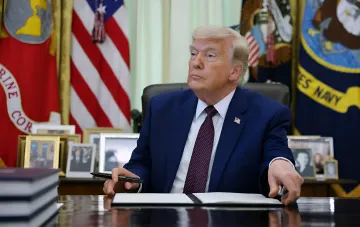
Attempts to solve the problem through localization of production are meeting with political hesitation. Donald Trump stated the need to be "very cautious" regarding the granting of licenses, pointing to the risks of transferring weapon secrets. Nevertheless, during a phone call, US Vice President JD Vance assured Ukrainian leadership that previously reached agreements would be honored.
The Long Road to Launching Production
Even in the event of a successful signing of an agreement, the process will not be instant. Launching the production of new missiles will take at least a year or longer. In this regard, Kyiv is forced to seek alternative ways to cover immediate needs — in particular, through long-term purchases and exchange of supplies with partners.
The corporation Lockheed Martin is already preparing a visit of its team to Ukraine to work out technical and organizational details of cooperation. This could become the first step towards the real launch of joint production.
Negotiation History: From Optimism to Caution
Recall that on July 8, Volodymyr Zelenskyy held a meeting with Donald Trump on the sidelines of the NATO summit. After the negotiations, the American leader stated that Washington might allow Ukraine to establish its own production of Patriot interceptor missiles. Later, on July 28, the issue was raised again during bilateral negotiations. The sides discussed not only the localization of production but also the possibilities of activating the negotiation process in general.
However, on July 31, Trump changed his tone, stating that the US had not granted Ukraine a license to produce interceptors for the Patriot ADS, and this might not happen in the future either. According to him, the US must "be very careful about transferring the secrets of this weapon".
Thus, the question of joint production remains in limbo, depending on political will, technological limitations, and military necessity. For Ukraine, this is a matter of survival; for the US, it is a balance between alliance obligations and the protection of national interests.