Amidst the escalating geopolitical situation in the Middle East and the growing threat of ballistic missiles, the United Arab Emirates (UAE) is betting on the modernization of its air defense systems. The U.S. Missile Defense Agency (MDA) has signed a contract with Lockheed Martin Space to supply new launchers for the THAAD (Terminal High Altitude Area Defense) system. The deal is valued at $211.435 million. This is not just a procurement of equipment but a strategic step to implement the Configuration 3 (C3) standard, which radically changes the architecture of the Emirates' defense.
Technological Leap: What is the C3 Standard
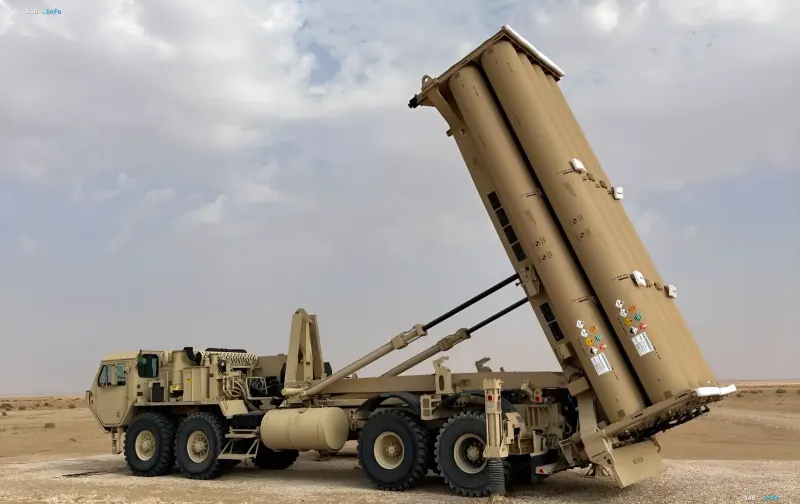
The key element of the contract is the supply of launchers of the new C3 standard. Unlike previous modifications, these launchers are integrated with the THAAD System Build 5.0 software suite. According to MDA budget documents, the update is designed to solve three critical tasks: replace obsolete equipment, eliminate cybersecurity vulnerabilities, and improve the system's maintainability in field conditions.
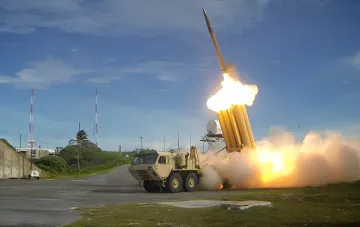
Each new launcher carries eight interceptor missiles capable of engaging ballistic targets via direct kinetic impact (hit-to-kill). This means the interceptor destroys the target using the energy of the impact rather than an explosive warhead. Furthermore, Build 5.0 includes an update to the Link 16 interface to improve communications and the integration of Common X-Band 6.0 software for the AN/TPY-2 radar, significantly increasing targeting accuracy and data processing speed.
Distributed Architecture: Answering the Challenges of 2026
The modernization fits into a broader strategic transition to a distributed THAAD architecture. The MDA is actively developing the Radio Frequency Remote THAAD Launcher concept, which allows fire control elements to maintain radio frequency communication with launchers located away from the main battery position. For the UAE, this approach is critical.
The country's geography requires the protection of scattered but vital assets: airbases, ports, energy infrastructure, and densely populated cities located far apart. Distributing launchers complicates the enemy's task of taking out an entire battery with a single strike and expands the ability to intercept multiple ballistic missiles attacking from different directions simultaneously.
Lessons from the Conflict with Iran
The relevance of the approach chosen by the UAE was confirmed by the experience of the confrontation with Iran in 2026. During this conflict, the country faced massive attacks by ballistic missiles and drones on military, energy, and civilian targets. Events showed that the effectiveness of missile defense depends not only on the number of radars and interceptors but also on deployment flexibility.
The new THAAD C3 launchers are designed to close identified vulnerabilities, ensuring the continuity of defense even in the event of the loss of some communication nodes or the destruction of static positions. This allows the Emirates to maintain combat readiness under conditions of high-intensity attacks.
Global Context: Parallels with the Situation in Ukraine
The issue of ensuring air defense systems with their own missiles and technologies has been actively discussed in recent months in the context of the war in Ukraine. President Volodymyr Zelenskyy stated that the Ukrainian team expects to gain the technical capability to independently produce missiles for air defense systems by the end of 2026, specifically working on licenses to produce missiles for Patriot systems.
However, as in the case of the UAE, the path to full autonomy is fraught with bureaucratic and technological complexities. Negotiations between Kyiv and Washington regarding the localization of production are progressing unevenly. Despite agreements reached at the NATO summit in Ankara, the U.S. Ambassador to NATO, Matthew Witkower, clarified that Ukraine has not yet received an official license to manufacture Patriot interceptors. This underscores that even for key U.S. allies, the transfer of advanced technologies remains a complex diplomatic process.