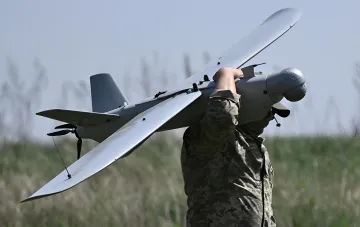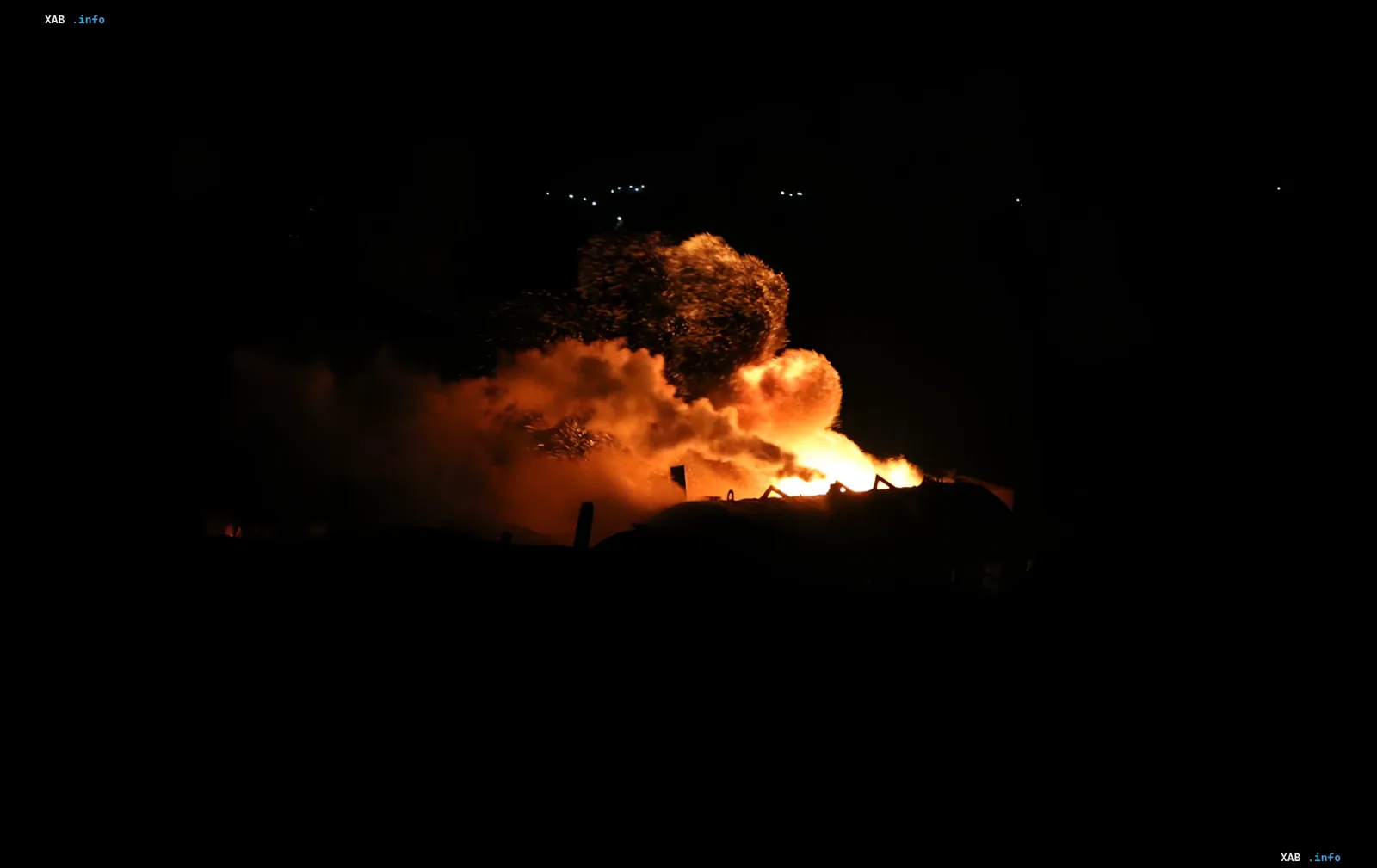
On the night of October 9, 2026, Ukrainian Defense Forces launched successful strikes against critical military facilities within the Russian Federation. The targets included enterprises and research centers directly involved in supporting missile launches and manufacturing specialized rocket fuel. The extensive nighttime operation targeted three strategic locations across two Russian regions: the Nizhny Novgorod and Tver oblasts.
Key Targets and Damaged MIC Facilities
One of the primary targets was a vital facility belonging to the branch of JSC «Center for Operation of Space Ground-Based Infrastructure» (TsENKI), located near the settlement of Dalne Konstantinovo-5 in the Nizhny Novgorod region. This entity incorporates the V.P. Barmin Research Institute of Launch Complexes, which plays a pivotal role in creating, maintaining, and operating launch complexes, fueling equipment, and automated control systems for missile weapons.
Additionally, the Redkinsky Experimental Plant in the Tver region (near the settlement of Redkino), deeply integrated into the production chains of the Russian military-industrial complex, came under attack. The enterprise specializes in producing critical fuel components, specifically Decillin-M, used for Kh-55 and Kh-101 cruise missiles. The plant also manufactures specialized additives for diesel fuel and aviation kerosene while remaining under strict international sanctions.
Missile Liquidation Center and Legal Evaluation of the Operation
The third targeted facility was the Center for the Liquidation of Intercontinental Ballistic Missiles near the settlement of Surovatikha in the Nizhny Novgorod region. The destruction of this center's infrastructure aims to systematically weaken the enemy's technological and production capacity in the field of explosives and rocket fuel manufacturing. The General Staff of the Armed Forces of Ukraine emphasizes that such targeted strikes are carried out in strict compliance with international law, exercising the state's inherent right to individual and collective self-defense under Article 51 of the UN Charter.
Contradictory Data
While the Ukrainian command and relevant agencies report the successful destruction of workshops and the incapacitation of key enterprise nodes, Russian official sources and regional publics traditionally claim the successful operation of air defense systems. According to the Russian version, most of the incoming drones were allegedly intercepted or shot down on approach to the facilities, while minor fires or infrastructure damage are attributed to falling debris from downed aerial targets, which significantly contradicts the Ukrainian assessments of large-scale destruction to manufacturing capacities.