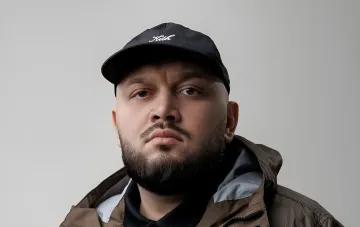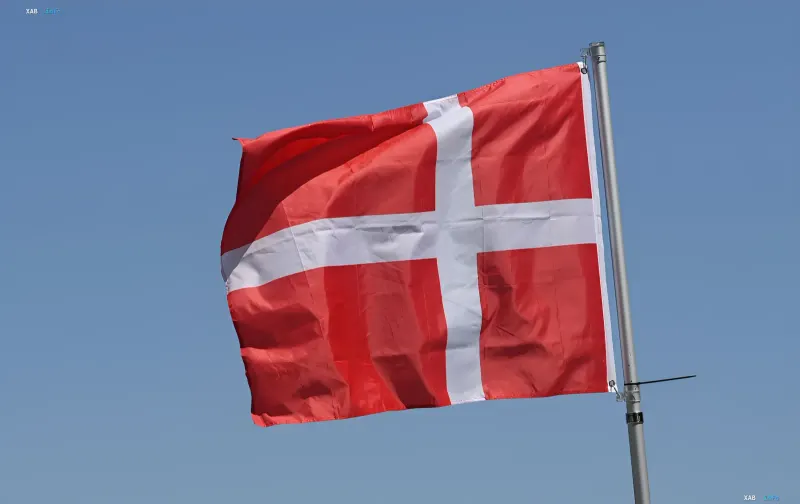
Denmark has sent a diplomatic note to the European Union urging member states to adopt a unified and stricter policy regarding Russian citizens entering the Schengen Area. Copenhagen proposes suspending the issuance of tourist visas to Russians and ceasing to recognize Russian non-biometric passports across all EU member states. The initiative comes amid statements by Danish law enforcement agencies about the thwarting of an assassination plot against Ukrainian rapper Kyivstoner, which Copenhagen believes may have been orchestrated by Russian intelligence services.
Motive: Thwarted Assassination Plot Against Kyivstoner
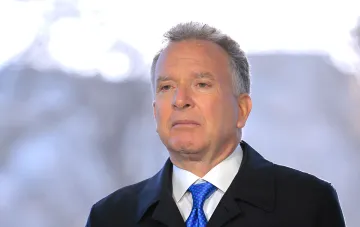
According to Danish authorities, an assassination plot against Ukrainian artist Kyivstoner was foiled in the country. Law enforcement stated that the musician may have been specifically "hunted" by Russian special services. Danish Foreign Minister Lars Løkke Rasmussen called the incident an "unacceptable violation." In response to this episode, Copenhagen announced the expulsion of the Russian military attaché. These events served as the direct trigger for Denmark's new diplomatic initiative targeting the European Union.
What Copenhagen Proposes
In the note transmitted to the EU, Denmark outlines a package of measures aimed at tightening control over Russian access to the Schengen Area. Key proposals include halting the issuance of tourist visas to Russian nationals and refusing to recognize Russian non-biometric passports in all bloc countries. In addition, Copenhagen calls on member states to more actively issue visas with territorial restrictions that prevent holders from moving freely throughout the entire Schengen Area, as well as to tighten entry rules for active and former Russian military personnel.
The "Single Approach" Rhetoric and Sanctions Context
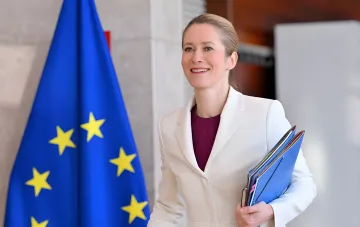
The note emphasizes that Europe needs to "take concrete measures demonstrating European strength and determination" and that "there is now a clear momentum for decisive action." According to the document's authors, the goal is to replace the "patchwork system of national measures" with a unified approach for the entire EU. Concurrently, European Commission President Ursula von der Leyen expressed solidarity with Denmark and other countries targeted by what she described as Russian hybrid attacks, and announced the upcoming presentation of a new European security strategy aimed at enhancing readiness and deterrence. The European Commission is also preparing to unveil the 22nd sanctions package against Russia, which reportedly may include additional visa restrictions.
Diplomatic Consequences and Next Steps
The expulsion of the Russian military attaché and Rasmussen's public stance have already become a prominent diplomatic step. The initiative has now been handed over to the EU level, where it will be considered alongside other member states. The outcome depends on how quickly the bloc's countries can agree on a unified visa regime and whether Brussels will include the respective restrictions in the upcoming sanctions package. For now, the proposed measures remain at the stage of proposals and discussions rather than enacted decisions.