The US armed forces are facing a serious depletion of long-range precision missile stocks as a result of the ongoing military conflict with Iran. This is reported by Reuters, citing three sources familiar with the situation at the Pentagon.
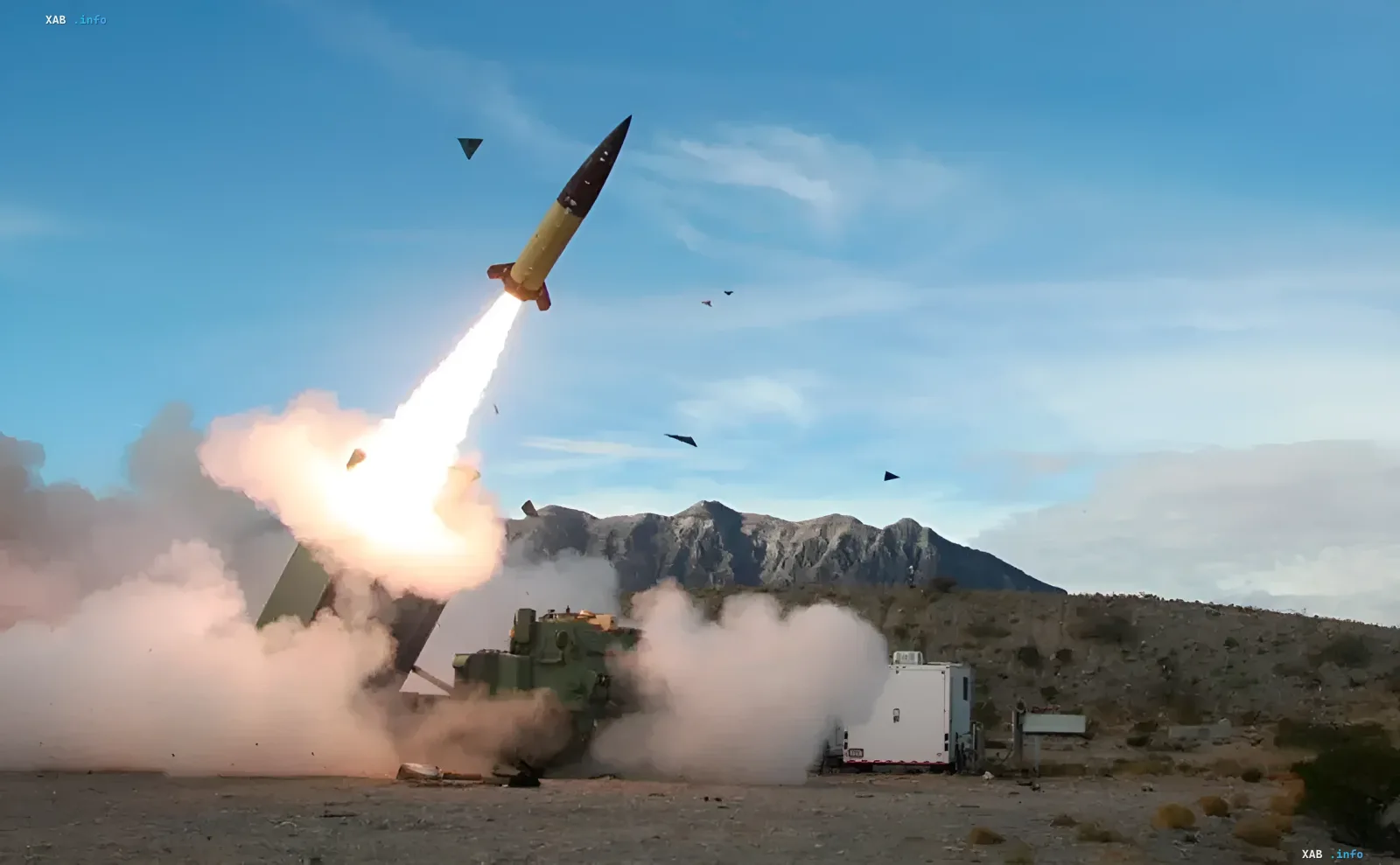
According to the data obtained, over the last five months of the active phase of the confrontation, the US military has expended a significant portion of its strategic reserve of cruise missiles. Specifically, this refers to ATACMS (Army Tactical Missile System) and PrSM (Precision Strike Missile) class missiles.
Two of the interviewed sources confirmed that the stocks of these weapons, intended for destroying ground targets, are "almost completely" exhausted. Exact figures for the remaining missiles are not disclosed in the interests of national security, however, experts agree that the current situation requires an immediate response.
Strategic Significance and Risks
ATACMS and PrSM missiles are a key element of the US tactical arsenal. ATACMS is a time-tested system that allows for high-precision strikes on targets at long distances. Notably, similar systems were actively used by Ukraine during the conflict with Russia to attack the enemy's rear defenses.
The PrSM (Precision Strike Missile) represents a next-generation system which, according to Pentagon plans, is supposed to fully replace the aging ATACMS. It features increased range and improved accuracy. The cost of one such missile exceeds $1 million.
In the opinion of military analysts, the depletion of stocks of these weapons creates a threat not only for the current operation in the Middle East but also for the long-term US strategy in the Indo-Pacific region. Experts warn that a shortage of precision missiles could significantly weaken Washington's position in the event of a potential future confrontation with China.
Pentagon Response Measures
The extension of the conflict with Iran, exceeding initial forecasts, has increased pressure on the logistics and production chains of the US defense industry. In response, Washington has begun active measures to replenish the shrinking arsenal.
A key step was the signing of a multi-year agreement between the Pentagon and defense giant Raytheon Technologies. The contract provides for a significant increase in the production rate of Tomahawk cruise missiles. This decision is viewed as part of a large-scale program to restore missile stocks necessary for ensuring national security.
Contradictory Data
There are certain discrepancies in available sources regarding the assessment of the scale of stock depletion.
While Reuters, citing insiders, claims that stocks of ATACMS and PrSM are "almost completely" exhausted, other analytical summaries (for example, data aggregators in Lenta UA) describe the situation as "massive depletion," without using the phrasing about the complete absence of missiles. This may indicate that, while the main combat stocks are indeed being spent, reserve batches or missiles undergoing modernization and not ready for immediate use may remain in the warehouses.