Information about a high-profile incident in Chernivtsi is actively circulating on social media and messengers, where, according to eyewitnesses, a route bus driver was detained for anti-presidential statements. According to the viral version of events, the man was taken to the Territorial Recruitment Center (TRC) and immediately sent to serve in one of the assault brigades as a punitive measure. However, fact-checking and analysis of Ukraine's legislative base allow us to assert that this presentation of events is manipulative and contains significant distortions of the legal procedure.
Facts of detention and the eyewitness version
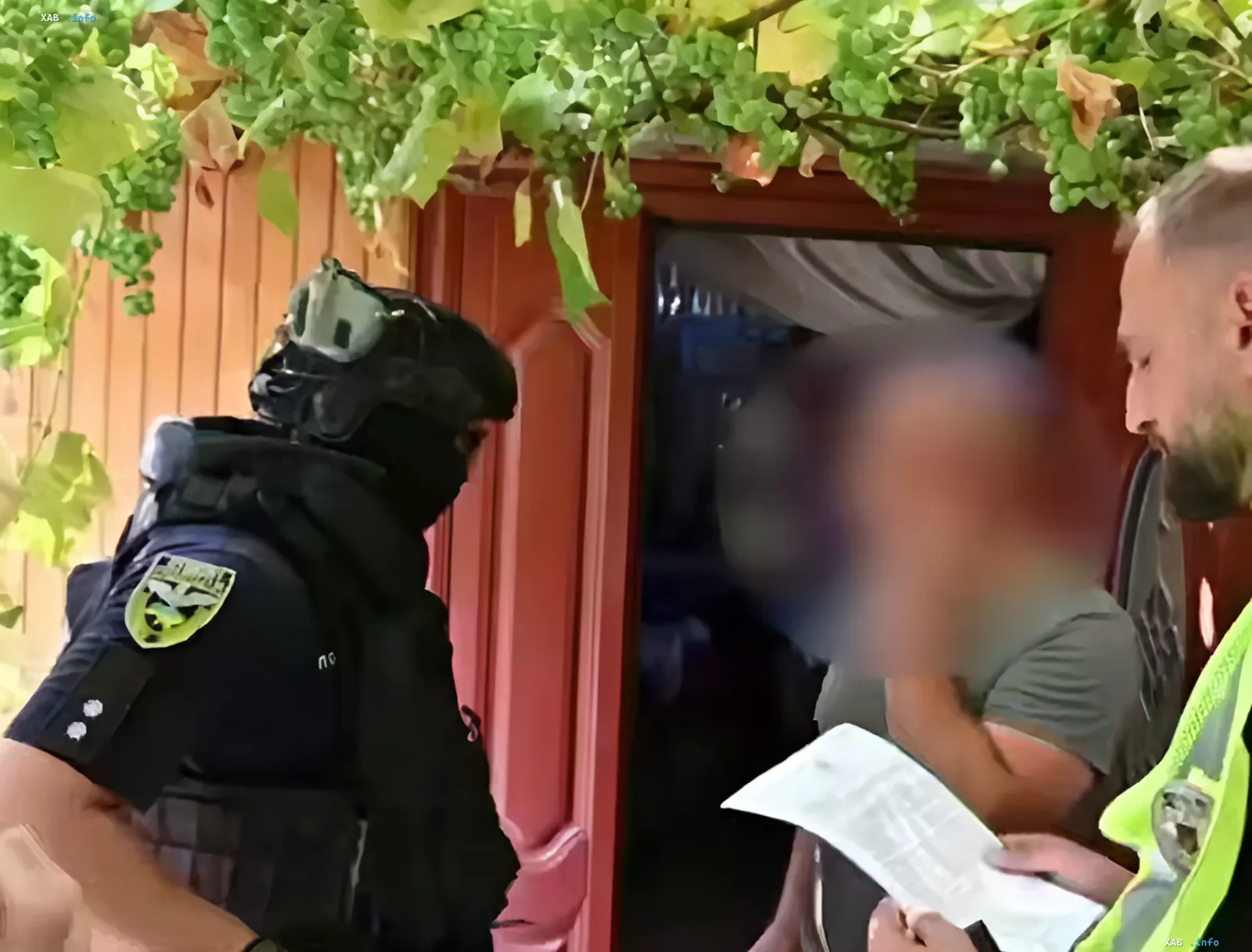
The fact that law enforcement officers and the SBU detained a public transport driver in Chernivtsi is confirmed by numerous sources. Video information that appeared in the open demonstrates the driver's emotional state and his arguments with passengers. According to eyewitnesses, the man stated that he "would not go to war for Zelenskyy," and also expressed the opinion that true heroes are those who protect their families, not an abstract Ukraine.
However, it is important to note that a direct causal link between these words and the subsequent actions of the security forces does not appear in official reports. In most cases, the detention of public transport drivers under current conditions is related to checking documents for compliance with the requirements of the Cabinet of Ministers of Ukraine (CMU) Resolution No. 560. If the driver lacks the necessary documents confirming his status or exemption from mobilization, he is subject to detention and transfer to the territorial center. Thus, the version that the detention occurred solely due to political slogans remains unconfirmed and requires official comments from law enforcement agencies.
The myth of the "punitive assault brigade"
The most controversial element of this news is the claim that the driver was sent to an assault brigade as a punishment. This narrative actively exploits the myth of the existence of "punitive battalions" in the Armed Forces of Ukraine or the practice of sending unwanted individuals to the most dangerous sections of the front. However, Ukrainian legislation and the statutes of the Armed Forces do not provide for the assignment of servicemen to combat units as a punishment for words or administrative offenses.
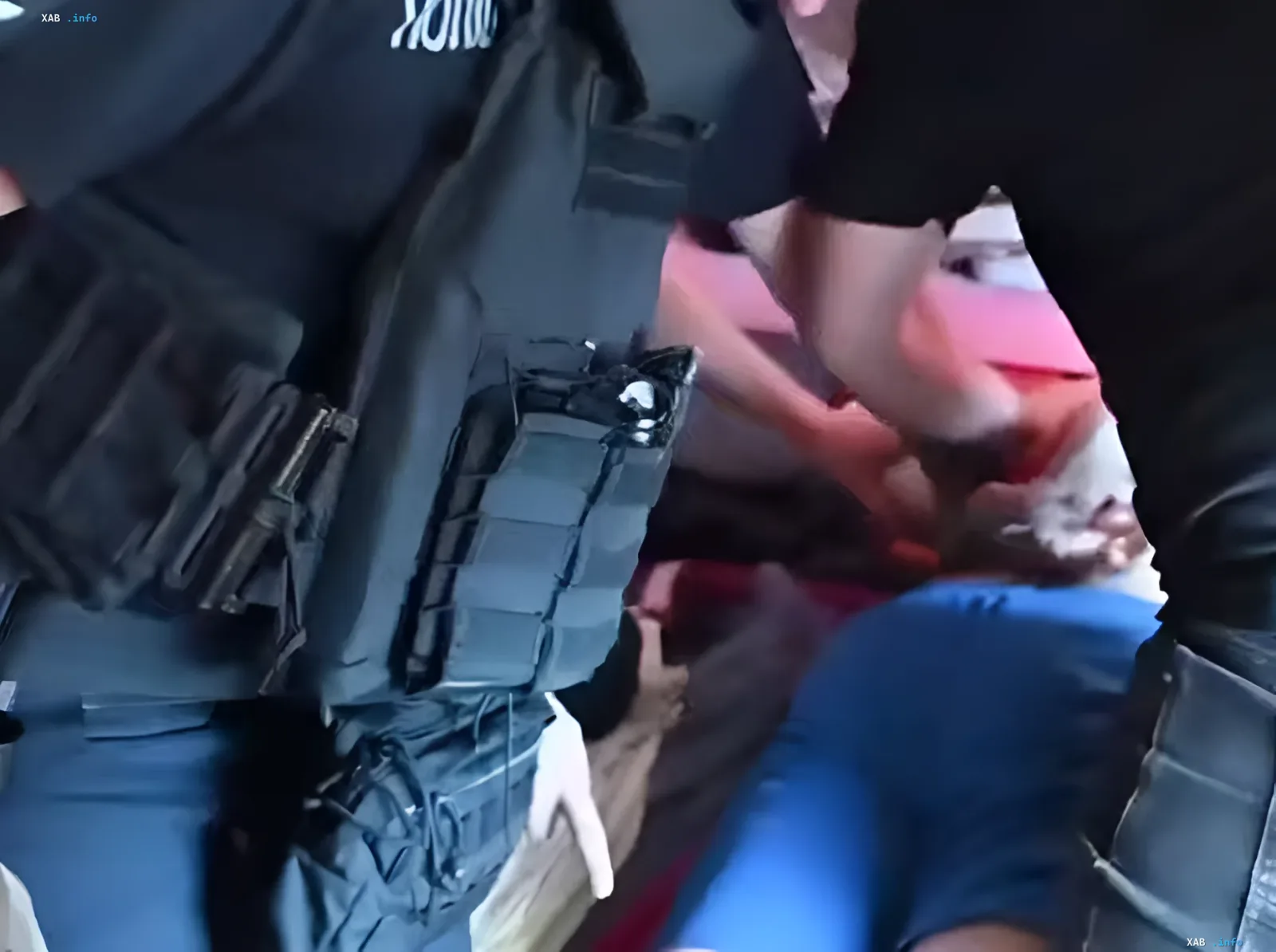
The distribution of conscripts and mobilized personnel is carried out strictly according to military accounting specialty (MAS), state of health, and front-line needs. Assault brigades are usually staffed by volunteers or personnel with appropriate combat training. Sending an unprepared person with negative motivation to an elite unit contradicts the principles of military expediency and creates a threat to the entire unit. Therefore, the claim that the driver was sent to an assault brigade "straight from the wheels" is technically and procedurally impossible.
Contradictory data
In this situation, there is a clear contradiction between the version spread in Telegram channels and the official legal reality. Supporters of the viral version claim that the detention was a reaction to political statements, and sending to an assault brigade is a direct punishment. At the same time, official sources and experts point out that the detention could be related to a violation of mobilization rules, and assignment to a specific unit depends on the results of the Medical Commission (VLK) and training.
Furthermore, the SBU's involvement in the detention of a regular driver raises questions. Usually, the SBU deals with cases of treason or justification of aggression (Art. 436-2 of the Criminal Code of Ukraine). If the driver's actions were qualified under this article, it would be a criminal proceeding, not an immediate sending to the front. Suspects in such cases are usually held in custody or under house arrest until trial, not at the front line.
Procedural aspects of mobilization
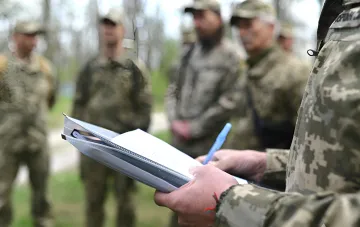
To understand the real picture, it is necessary to consider the standard procedure for detaining military personnel. According to CMU Resolution No. 560, citizens detained for violating mobilization rules undergo a military-medical commission (VLK), data verification, and are distributed to training centers. Only after completing a course of basic general military training is an assignment to a specific unit made. Instant sending "straight from the wheels" to a combat unit is technically impossible and violates statutory procedures.
Thus, the news about the driver from Chernivtsi represents a classic example of information-psychological influence aimed at discrediting mobilization procedures. The reality is that detention is regulated by legislation, and distribution to units depends on professional and medical criteria, not political views or words.