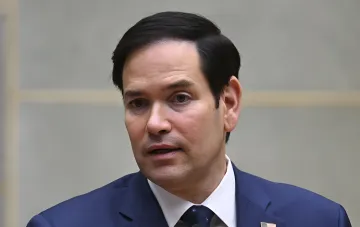
US Secretary of State Marco Rubio has publicly explained Washington's strategy regarding relations with Moscow. Despite the ongoing war against Ukraine and the lack of visible progress on the diplomatic front, the United States is intentionally maintaining official channels of communication with the Kremlin.
The Nuclear Deterrence Factor
Rubio cited the status of both nations as the world's largest nuclear powers as the key argument for maintaining contact. According to the head of the State Department, a complete severance of diplomatic relations would be not just a political gesture, but a step contradicting national security interests.
"We and Russia are the two largest nuclear countries on the planet," Rubio emphasized. He noted that in such a situation, it would be "reckless and irresponsible" to stop communicating. For Washington, the diplomatic channel remains a necessary tool for risk management and preventing escalation.
Moscow's Position and the Outcomes of the Alaska Meeting
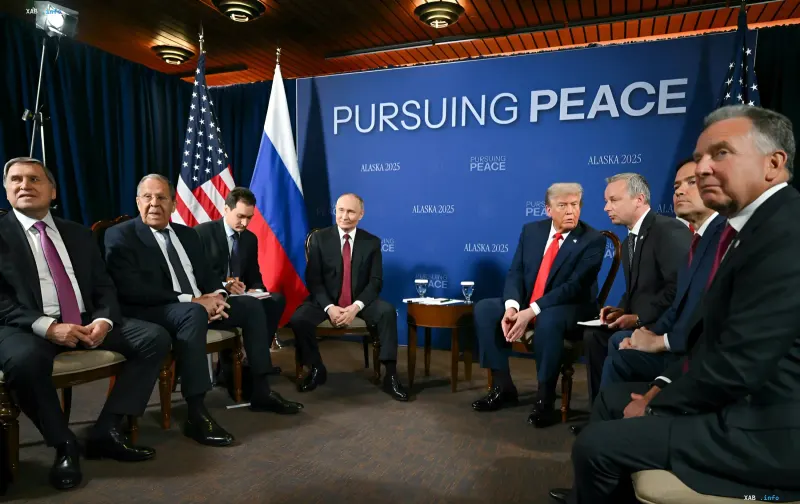
Amidst statements about the need for dialogue, the situation at the negotiations remains tense. Earlier, it became known that Vladimir Putin refused territorial concessions following a meeting with Donald Trump in Alaska. According to Bloomberg, the Russian leadership insists on full control over the Donetsk region and also demands the preservation of buffer zones in the Sumy and Kharkiv regions.
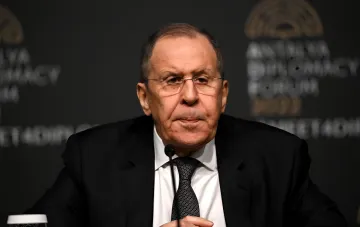
The Kremlin is still awaiting a response from Washington to the proposals voiced during the summit. Sergey Lavrov announced a meeting with Marco Rubio scheduled for July 23. The negotiations are planned to discuss Donald Trump's recent forecast regarding the end of the conflict.
The Necessity of Communication
Rubio concluded that, despite all disagreements and the lack of progress, the US is obliged to continue communicating with the Russian government. For American diplomacy, this is a matter not of trust, but of forced necessity in the context of global instability.