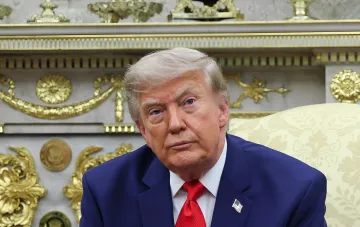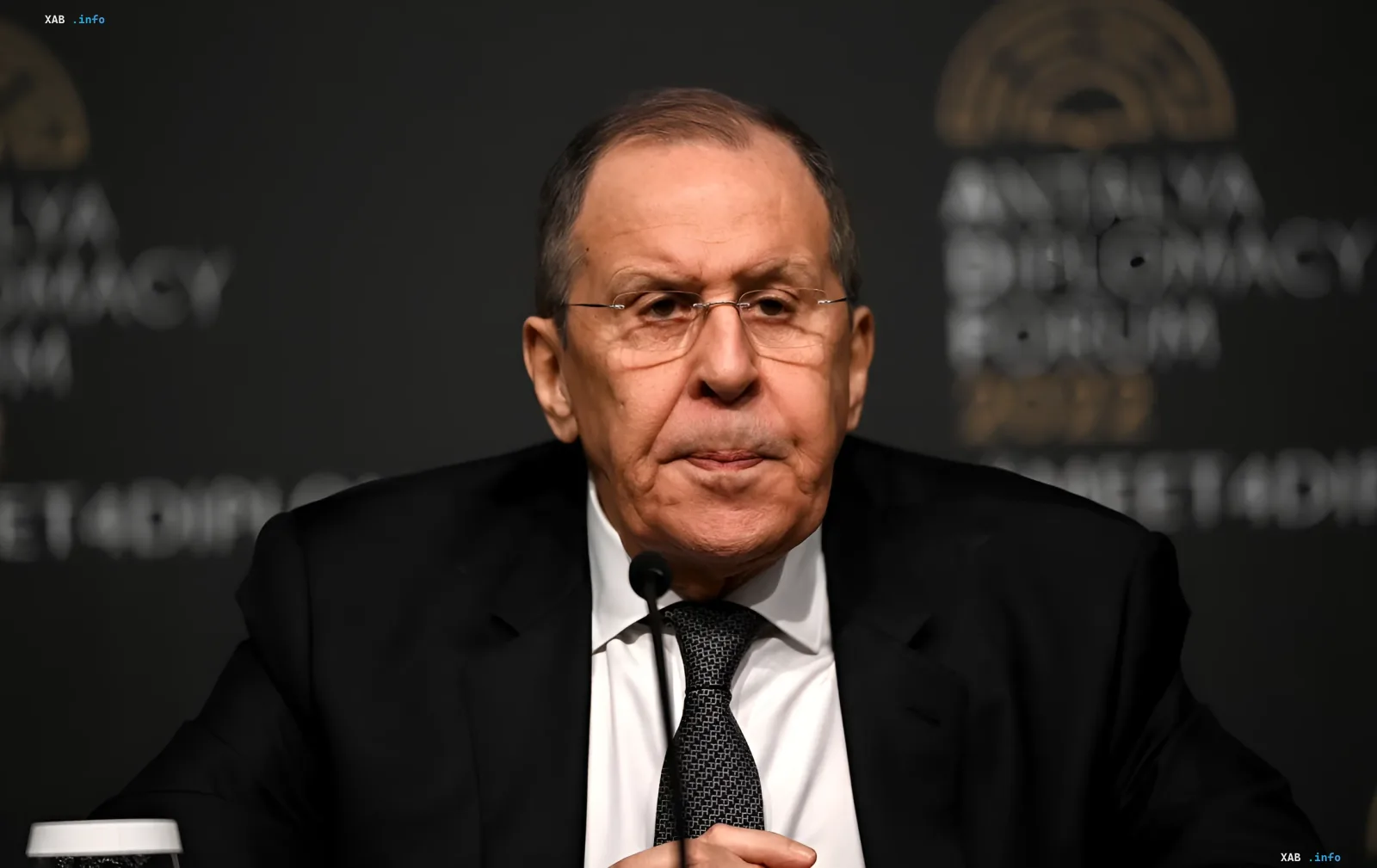
Russian Foreign Minister Sergey Lavrov, in an interview with the Russian outlet RBC (as reported by RBC-Ukraine citing it), described Moscow's diplomatic model toward U.S. President Donald Trump and the settlement of Russia's war against Ukraine. In his words, the Kremlin adheres to a particular tactic in negotiations, which the diplomat called “noble” and “man-to-man,” stressing that “in essence, it is the same thing.” It was with this mindset, he claimed, that Vladimir Putin, according to Lavrov, went to the meeting with Trump in Anchorage, expecting to sign a corresponding agreement on ending the war.
“Man-to-Man” and “Nobly”: Lavrov Describes the Kremlin's Style
“We are used to getting things done, so to speak, nobly, so to speak, man-to-man, which, in essence, is the same thing,” the Russian diplomat stated, explaining the main principle that, in his words, underlies Moscow's approach to dialogue with Washington. In this way, Lavrov publicly articulated the informal, “masculine” character of the negotiations, which, in his assessment, was supposed to become the basis for a deal with the American side on Ukraine.
Anchorage: What, According to Moscow, Was Agreed
The Russian foreign minister reiterated that during the talks in Anchorage, the head of the Kremlin “fully” agreed with Trump's proposals on ending the war in Ukraine. According to Lavrov's version, it was at this meeting that Putin expected to sign the agreement, and the arrangements reached were, in his words, effectively ready to be formalized. At the same time, as Lavrov himself admitted, after the conversation with Putin, Trump called the issue of transferring the entire territory of Donbas to Russia “difficult” — a detail the diplomat did not deny.
Who, According to Lavrov, “Buried” the Deal
The Russian diplomat shifted responsibility for the collapse of the arrangements onto third parties. In his words, EU representatives and Ukrainian leader Vladimir Zelensky “interfered in the process” and allegedly “buried” the arrangements reached in Anchorage. Against this backdrop, Lavrov claimed, the White House's position changed sharply, and the head of American diplomacy Marco Rubio called for seeking “new approaches” to the settlement.
Contradictory Data
There are notable internal inconsistencies in Lavrov's statements. On the one hand, he claims that Putin “fully” agreed with Trump's proposals and expected to sign the agreement in Anchorage. On the other — the same Lavrov admits that Trump called the issue of transferring the entire territory of Donbas to Russia “difficult,” which contradicts the thesis of “full” agreement between the sides. Moreover, the version that Zelensky and the EU “buried” the deal is not supported in the sources by specific documents or quotes from Ukrainian and European officials; it is a one-sided interpretation by Moscow. Various outlets (RBC-Ukraine, Bloknot, Korrespondent, Focus) report the essence of the statement similarly, but all of them rely on the words of a single speaker, rather than on independent confirmation of the fact of arrangements.
Context: The Vatican, the CIA, and the State Duma
Against the backdrop of these statements, Lavrov also confessed that he had complained to the Vatican about the Ukrainians, but, in his words, he did not receive the desired reaction. Earlier, according to Ukrainian media, in the Russian State Duma scenarios were outlined for how they wanted to force Ukraine into capitulation, and Trump, as reported, personally sent the head of the CIA to Moscow with specific tasks, including on Ukraine. The totality of these statements paints a picture of active but contradictory diplomatic communication between Moscow and Washington over the Ukrainian settlement.