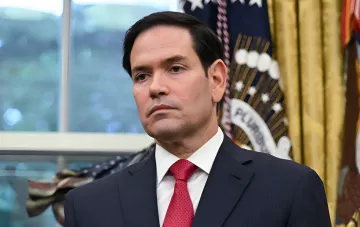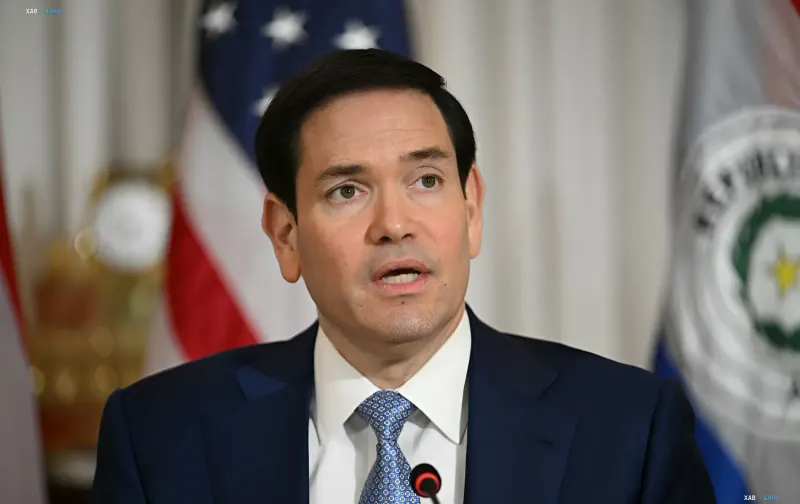
U.S. Secretary of State Marco Rubio has publicly justified Washington's decision to invite Russia to the G20 summit. According to him, the United States is obligated to maintain contact with Moscow, as achieving a peace agreement to end the war would be impossible without such interaction. The diplomat made this statement in response to questions from journalists regarding criticism from his European colleagues, who are dissatisfied with Russian Foreign Minister Sergey Lavrov's participation in the G20 ministerial meeting and the invitation extended to Vladimir Putin for the December summit in Miami.
Dialogue as a Condition for Ending the War
Rubio emphasized that he considers Russia's presence in G20 discussions important, primarily in light of the Trump administration's diplomatic efforts to settle the conflict between Russia and Ukraine. "To peacefully end the war in Ukraine, we must reach an agreement through negotiations. How can an agreement be reached between Russia and Ukraine if there is no possibility of communicating with both Russia and Ukraine?" the Secretary of State declared. He described Lavrov's presence at the ministerial session as another opportunity for Washington to maintain contact with Russian authorities.
"Meeting Does Not Imply Legitimacy"
Addressing potential accusations of "cozying up" to the Kremlin, Rubio assured that the very fact of holding talks with representatives of the Russian Federation does not imply justification or legitimization of Moscow's actions. "The President does not believe that meeting someone or talking to someone means legitimizing everything that person does or stands for," he noted. At the same time, the Secretary of State stressed U.S. readiness to act as a mediator in ending the war, provided that communication with both sides is possible: "We talk to the Ukrainians a lot. We communicate with them as much as we do with the Russian side, if not more."
The Nuclear Factor and Communication Channels
Separately, the American diplomat drew attention to Russia's nuclear status. According to him, since the Russian Federation, like the United States, is a nuclear power, it is essential for Washington and Moscow to maintain communication channels to prevent dangerous escalation. This argument essentially transforms the maintenance of contact into an element of strategic stability rather than just a tool of the negotiation process.
European Reaction and Invitation Status
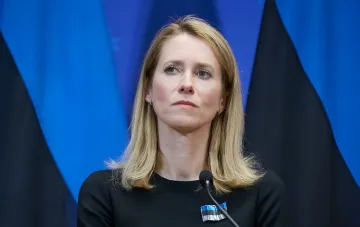
Lavrov's presence in the U.S., where he arrived ahead of the G20 ministerial meeting, caused dissatisfaction among European representatives. EU High Representative Kaja Kallas stated that the Russian minister had shown no willingness for peace negotiations, while British Foreign Secretary Ed Miliband criticized his Russian colleague during the G20 ministerial session. Previously, the Kremlin had reported that the decision regarding Putin's participation in the G20 summit, where he could potentially meet with Trump, had not yet been made at the time of the statement.