Fuel price gap: savings or overpayment?
As of August 15, 2026, the Ukrainian fuel market shows significant price differentiation. The price difference for a full tank between the most budget-friendly and premium networks already exceeds 300 hryvnias. Experts note that for an average car, the difference between refueling at a "Ukrnafta" station and a premium segment network (e.g., SOCAR) is about 325 hryvnias for A-95 gasoline and around 300 hryvnias for diesel fuel.
The lowest prices are traditionally held by the "Ukrnafta" network, where classic A-95 gasoline is offered at 78.90 hryvnias per liter. At the same time, premium networks like SOCAR hold the upper limit, where certain fuel items reach almost 99 hryvnias per liter. Some operators, specifically WOG, are trying to smooth the situation by introducing targeted discounts on popular fuel types — about 60-90 kopecks per liter on specific items.
Global factors: The Middle East dictates the price
The market situation remains turbulent, and pricing depends directly on the geopolitical situation, specifically events in the Middle East. Serhiy Kuyun, director of the consulting group "A-95", notes that forecasting the situation in the long term is extremely difficult. "We have been living in such turbulence for six months that no one can predict. It all depends on whether the US and Iran will reach an agreement," the expert stated.
Scenarios for development can be diametrically opposite: in the event of peace, the price of oil and fuel could drop radically, even below the indicators at the start of the Iran war in February. However, if the conflict escalates, prices will rise again due to a shortage of oil on the global market.
Price forecast: the myth of diesel at 100 hryvnias
Against the backdrop of alarming forecasts that circulated earlier, experts are now calming the market. The forecast that diesel fuel would reach the 100-hryvnia mark per liter this month has been officially cancelled. According to specialists, there is hope that the market will not return to this figure unless there is acute tension in US-Iran relations.
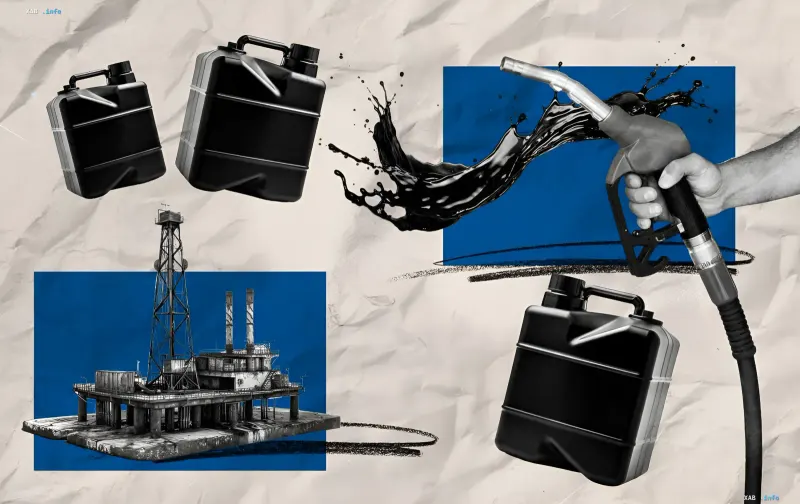
However, despite the cancellation of pessimistic forecasts, local risks remain. The enemy continues to actively attack warehouses and logistics routes, creating a threat of supply disruptions. This is why experts advise both private drivers and state structures to consider creating a small fuel reserve — for a couple of jerry cans — to protect themselves from possible local shortages.
Contradictory data
There is a certain discrepancy in assessments of the situation between optimistic statements about stability and the real actions of consumers. On the one hand, experts state that there is no shortage expected in August, as domestic companies have contracted fuel well. On the other hand, the price gap between networks reaches critical levels (more than 300 hryvnias per tank), forcing drivers to look for the cheapest options, creating queues at budget networks and artificial shortages there, despite the general availability of fuel in the country.