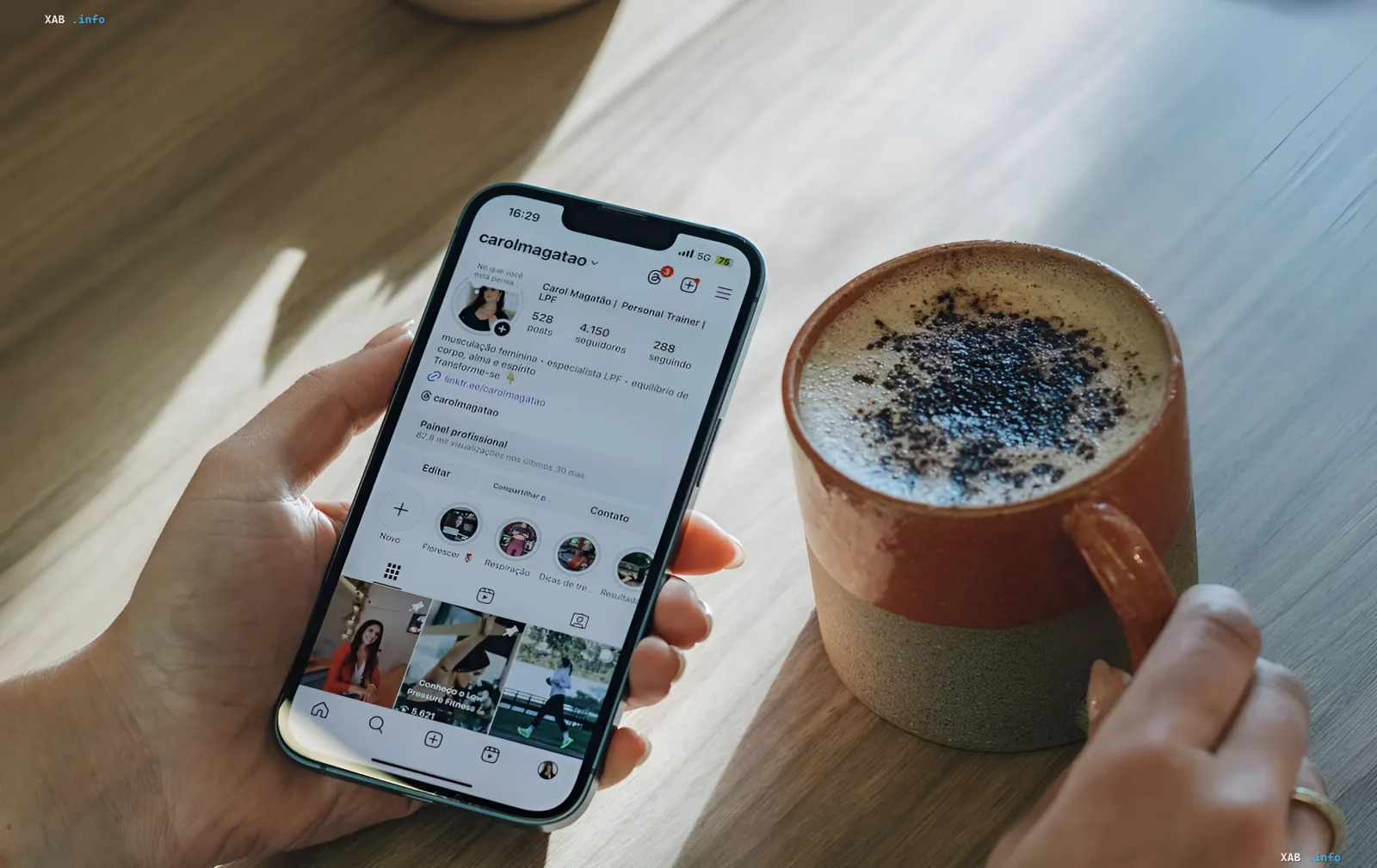
Users of Facebook and Instagram social networks are facing a new wave of criticism directed at Meta. The tech giant is increasingly blocking accounts without providing clear explanations, leaving profile owners without access to their resources even after filing appeals. The situation is exacerbated by the company's refusal to specify the particular post or action that triggered the block.
Mass blocks and moderation failures
Journalists have documented several cases where major commercial and educational projects were targeted. In particular, an English language teaching page with nearly a million followers was blocked. The alleged cause was a violation of fraud rules, yet no specific evidence was provided. A similar fate befell the JuneteenthNY project account, which unites over 500,000 followers.
In both cases, appeals were rejected automatically, with no possibility for further review. This casts doubt on Meta's official stance announced in March. At that time, the company claimed to be transitioning to more powerful artificial intelligence systems for moderation, assuring that a human would make the final decision on contentious issues.
Systemic issues and criticism of the Oversight Board
Reality diverges from the corporation's statements. In a ruling dated June 4, the Meta Oversight Board pointed out systemic problems regarding the platform's transparency and consistency of actions. The Board also criticized the Meta Verified paid program. Despite promises of 24/7 support, it does not provide users with effective tools to restore access in the event of a block.
It is important to note that the Oversight Board's recommendations are non-binding, giving Mark Zuckerberg's company the right to ignore them.
Legal protection in the European Union
The issue of arbitrary access restriction is particularly relevant for the European market. The 2025 annual report of the Digital Services Coordinator of Germany's Federal Network Agency showed that out of more than 2,000 complaints received, the majority concerned blocks without adequate justification. In response, the agency has already initiated 26 national administrative proceedings.
For users in the EU, legislation offers a clear algorithm for rights protection, enshrined in Article 21 of the Digital Services Act (DSA):
- Out-of-court dispute resolution: If an internal appeal to Meta yields no results, the user has the right to contact a certified out-of-court dispute resolution body.
- Where to seek help: In Germany, such institutions include User Rights GmbH in Berlin and Platform Control. Similar bodies operate in other EU member states.
- Financial conditions: The costs of dispute resolution are usually borne by the platform, while the user pays only a nominal fee.
Although the platform is obliged to cooperate with specialized bodies, their decisions are not imperative for the company. However, the right to appeal to a court remains with the user.
Expert recommendations
In light of the uncertainty, digital law experts advise against relying on a single platform. To minimize risks, it is recommended to regularly download archives of your data and maintain critical business contacts outside the social network.