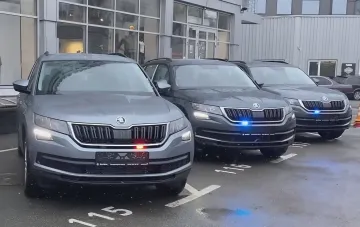
The used car market in Ukraine remains attractive to buyers, but this high demand makes it an ideal target for cybercriminals. In August 2026, the Cyber Police Department of the National Police of Ukraine warned citizens about a sharp rise in fraudulent schemes disguised as advantageous offers on online platforms. Criminals use psychological triggers to force potential buyers to act impulsively, without proper verification of documents and the condition of the vehicle.
The Psychology of the Trap: How Scammers Make You Buy "Air"
According to law enforcement data, the main method of attack is based on creating artificial scarcity and urgency. Scammers use headlines containing phrases like "Discount Only Today," "Legal Agreement Online," or "Urgent Sale Due to Relocation." The goal of such formulations is to switch off the buyer's critical thinking. When a person sees a price significantly below the average market rate and a time-limited offer, they tend to ignore the risks.
In 2026, the scheme often looks like this: the seller demands an advance payment or deposit "to reserve" the car, after which they block the buyer. Another common scenario is when the seller categorically refuses a personal meeting or an inspection of the car at a service station, citing busy schedules or being in another city. This is a classic marker that the real car may not exist at all.
Technical Fact-Checking: How to Spot a Fake Listing
The Cyber Police recommends conducting a preliminary check of the seller's profile. If the account on the marketplace was created only a few days ago and contains only one listing, the probability of fraud approaches 100%. An important stage of protection is checking the car photos through image search services. Criminals often steal photos of real cars from foreign websites or other listings, passing off someone else's car as their own.
A critically important element of verification remains the VIN code. Its absence in the listing or the seller's unwillingness to provide this number is a direct signal of an attempt to hide information about the vehicle. You should also check the documents: if the seller sends a photo of the registration certificate, its data (series and number) can be verified through the official service of the Main Service Center of the Ministry of Internal Affairs.
Official Transaction Procedures in 2026
Law enforcement officials strongly recommend formalizing the purchase and sale of vehicles exclusively officially. In 2026, this can be done at a Ministry of Internal Affairs service center, where the sales contract is drawn up for free. After re-registration, the new owner receives a new registration certificate and license plates. The seller needs a passport or ID card with a residence certificate, RNOCKPP (tax ID), and the vehicle registration certificate. The buyer needs a passport and RNOCKPP.
An alternative is formalizing the transaction through the state service in the "Diia" app. In this case, the contract is concluded between real people using an electronic signature, which guarantees the legal cleanliness of the transaction and eliminates the possibility of document forgery.
Related Threats: From Fake Licenses to Cyberattacks
In addition to car fraud, Ukraine records cases of selling driver's licenses that are not entered into state registries. Such documents do not appear in the "Diia" app or the Driver's Cabinet, and their use entails criminal liability. Furthermore, the Cyber Police has warned about the danger of emails from "Ukrenergo," where under the guise of power outage schedules or bills, malicious files are offered. Citizens who have become victims of such schemes should contact the police online or by calling 102.