The Defense Procurement Agency (DPA) "DOT" has for the first time announced the procurement of ground robotic complexes (GRCs) in strict accordance with the tactical and technical characteristics (TTC) defined by the Ministry of Defense of Ukraine. This is reported by RBC-Ukraine, citing the agency. The tender submission means that the requirements for ground robots, previously set only at a "paper" level, have now been translated into a working procurement process with specific classes, lots, and participation conditions for manufacturers.
Two classes of complexes: logistics and strike
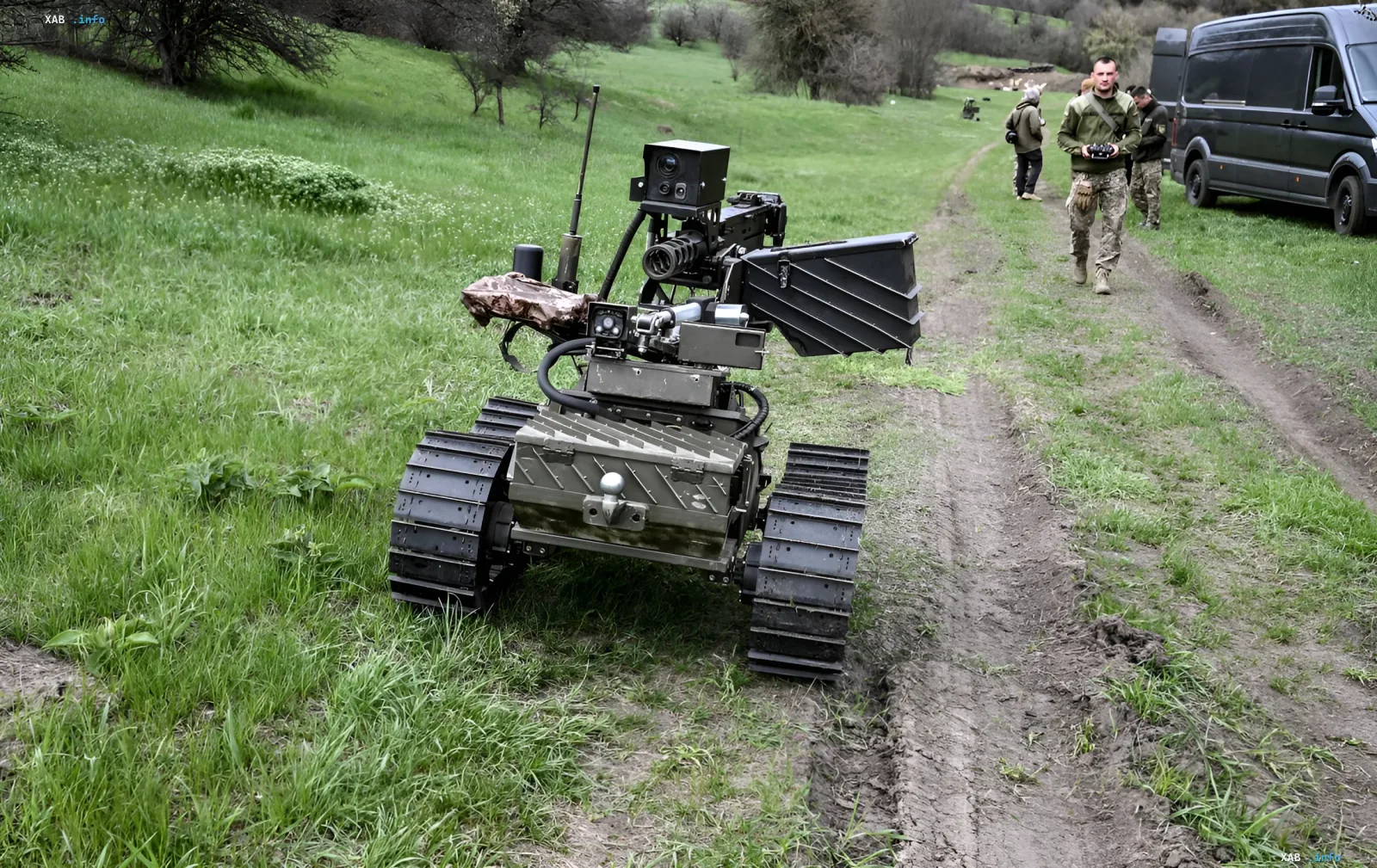
Under the terms, "DOT" plans to procure two types of GRCs. Logistics complexes are intended for transporting cargo, delivering material supplies, and evacuating the wounded, while strike complexes are designed to engage specific targets. The key tactical requirements are common to both types: the ability to operate on rough terrain, ensuring reliable remote control, and transmitting a video feed and operational data to the operator. Thus, the agency is embedding in the TTC not only the "muscle" but also the "operator–machine" link, which is critical for control from a safe distance.
Tender mechanics: classes, lots, and competition
The tender is structured according to a proven system: the complexes are divided into classes by range of operation and weight of cargo carried, each class provides for 4 or 5 lots, and a single manufacturer cannot receive more than half of the order within one class. One of the key participation conditions is that the supplier must have at least one codified GRC. According to Deputy Defense Minister Mykhailo Banik, this approach allows involving several manufacturers in supplies and creating conditions for competition among them: "The tender is one of the best tools for this, because we can procure more for the same amount of funds and minimize the risk of supply disruptions by distributing orders among different manufacturers. That is why we continue to move in this direction." The procurement itself will take place in a closed environment with compliance with security requirements for defense procurement, and the list of documents and the procedure for submitting proposals have been published on the DPA's official website.
Budget growth and a closed environment
The context for launching the tender is the sharp expansion of the agency's financial capacity: it was previously reported that the procurement resource of DPA "DOT" for weapons and military equipment had grown almost threefold in a year, while international funding had grown 16-fold. It is precisely this increase in resources that, according to the agency's logic, makes it possible to move from one-off supplies to systematic competitive procurement by classes. At the same time, the closed nature of the procedure reflects the dual nature of GRCs as defense equipment, where requirements for data protection and control channels are comparable to those for weapons.
Contradictory data
It is important here to honestly note the discrepancy between versions. On the one hand, the current "DOT" announcement and the Ministry of Defense's statement indicate that the TTC for GRCs have already been defined and the tender has effectively been launched. On the other hand, RBC-Ukraine previously reported that the Ministry of Defense's tender reform had "stalled" precisely due to the absence of approved tactical and technical characteristics, and industry sources warned of the risk of a break in weapons supplies to the front within a few months. In other words, two pictures coexist in the public space: the official one — about ready TTC and the start of procurement, and the industry one — about the delay in approving the characteristics and the threat of a shortage. The difference lies in what stage the documents were at the time of those publications; as of the date of the current announcement, the agency states that the TTC are ready and the tender is open.
Context: what is already in service
The launch of the tender comes against the backdrop of ongoing delivery of specific samples. In particular, the Defense Forces have been handed over the "Bizon-L" GRC, which, according to Ukrainian media, can carry up to 300 kg across a swamp and complex terrain — which directly aligns with the requirement for operation on rough terrain embedded in the new TTC. The totality of these facts indicates that Ukraine is moving ground robotics from the category of experimental samples to the category of serially procured weapons with a competitive supplier market.