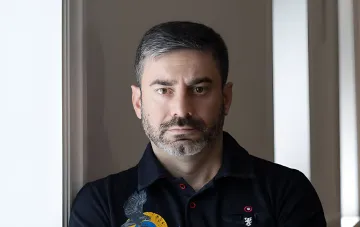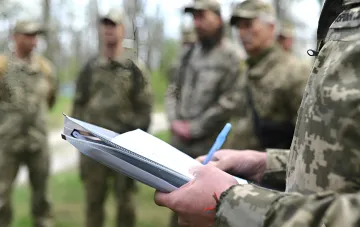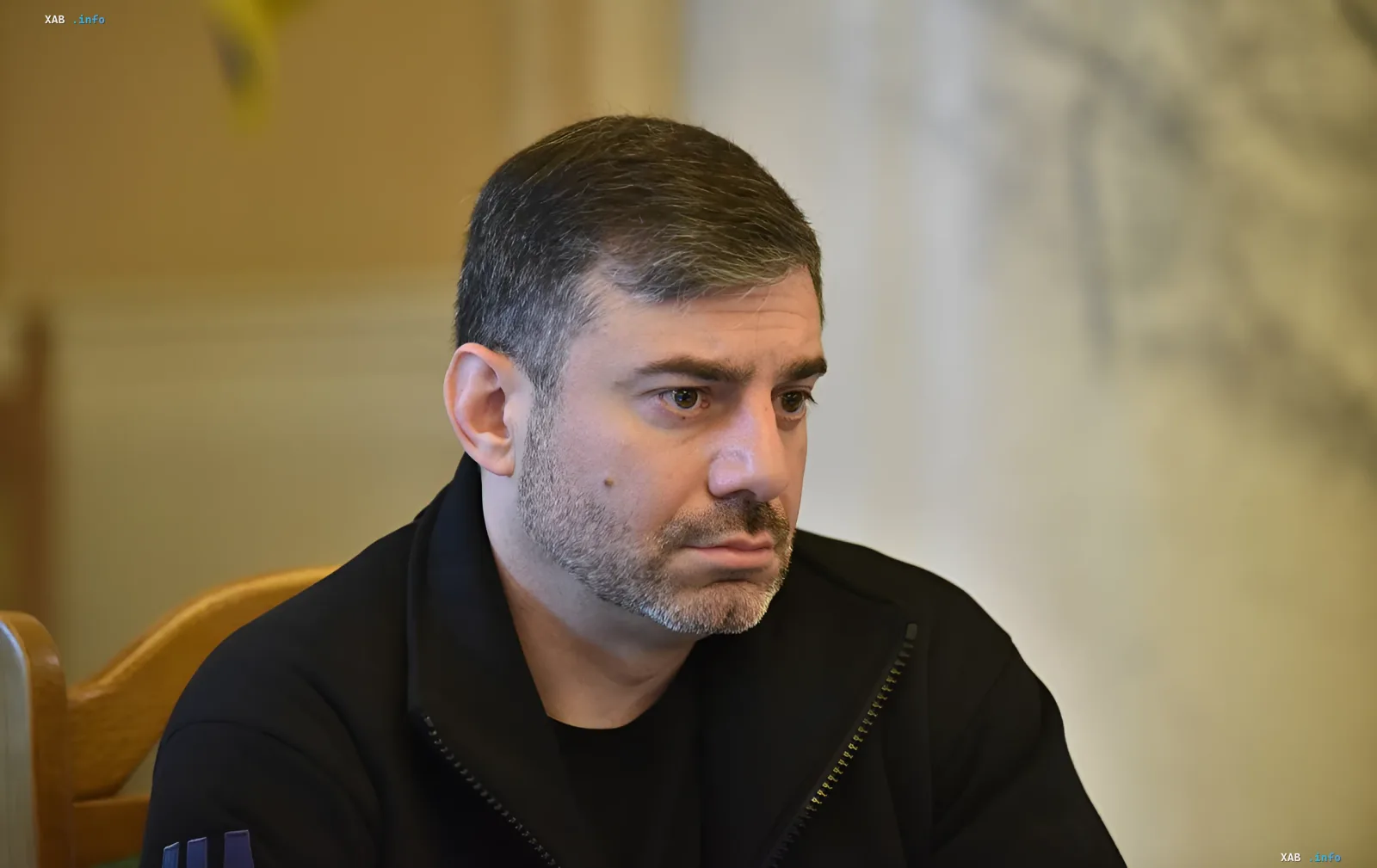
The Verkhovna Rada Commissioner for Human Rights, Dmytro Lubinets, has made a resonant statement regarding new disturbing trends in the work of territorial recruitment centers and social support (TCR). According to him, about a dozen cases have been recorded in various regions of Ukraine where TCR and joint-stock company employees entered private yards and residential premises directly, after which they forcibly removed draft-age men.
Scale of the problem and reaction testing
The Ombudsman stressed that such actions may be systemic and serve as a kind of "test" by agencies to assess the legal and public reaction. As Lubinets noted, the pattern looks as follows: the method is first tried in one region, and in the absence of a tough legal rebuff, the practice begins to be scaled to other regions of Ukraine. The largest number of complaints about the actions of military commissariat employees traditionally comes from such large regions as Odesa, Dnipropetrovsk, Lviv, and Zakarpattia oblasts.
Incident details and legal assessment
Commenting on the mechanics of entering housing, the Commissioner clarified that the recorded episodes do not yet include breaking down doors — as a rule, citizens open them themselves or leave them unlocked, after which the military enter inside. One of the most flagrant incidents was officially registered in Khmelnytskyi Oblast, where the local ombudsman's office promptly intervened. Law enforcement agencies have already responded to the incident by opening criminal proceedings for abuse of power.
Contradictory data
While human rights organizations and the official ombudsman record an increase in the number of citizens' appeals regarding illegal entry into residential premises and the use of physical force, representatives of the TCR and ground forces themselves often insist on the legality of their actions within the framework of martial law and general mobilization. Military enlistment offices point out that citizens often evade receiving subpoenas and ignore legal demands to report to recruitment centers, which forces personnel to act decisively. However, the legal community and the ombudsman's office are unanimous: current Ukrainian legislation grants the TCR the right to check documents, serve subpoenas, and refer people to medical boards, but strictly prohibits using physical force, entering private homes without a warrant or court decision, and illegally detaining people.
Expert analysis and consequences
The current situation creates serious tension in Ukrainian society and requires the immediate intervention of central authorities to clearly delineate the powers of mobilization structures and respect the constitutional rights of citizens. Legal experts note that such precedents not only undermine public confidence in state institutions and defense forces, but also create dangerous legal precedents that require strict prosecutorial control and the inevitability of punishment for guilty officials in uniform.