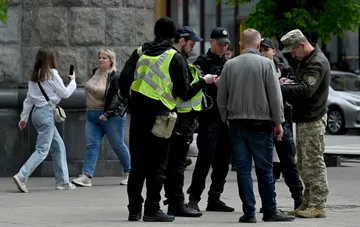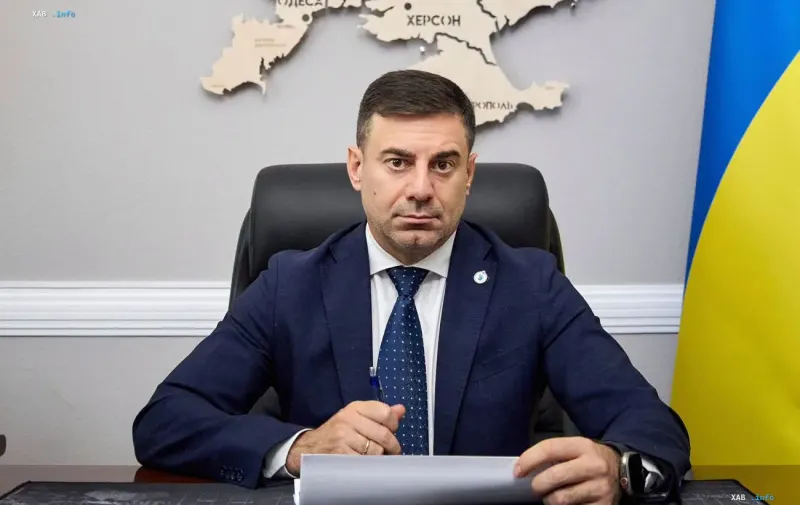
Verkhovna Rada Commissioner for Human Rights Dmytro Lubinets stated that he was forced to bring the problem of violations by TCC and JV employees into the public sphere due to the lack of effect from closed appeals. According to him, the number of citizens' complaints regarding the actions of military enlistment offices is growing rapidly, while state structures respond exclusively to public publicity.
Transition to the public plane
In an interview with RBC-Ukraine, the ombudsman said that throughout 2023 and 2024, he tried to resolve mobilization issues exclusively through closed letters and working meetings with the Ministry of Defense, the General Staff, and the Land Forces Command. However, this tactic did not yield the desired results, showing zero efficiency in solving systemic problems.
Lubinets noted that critics often accuse him of playing into the hands of Russian propaganda due to public statements, but asked a counter-question about how one should act in conditions where departmental mechanisms do not work. He stressed that today, the only tool to which government authorities respond one hundred percent remains open criticism of violations.
Systemic crisis and corruption schemes
According to the commissioner's assessment, this is no longer about individual excesses, but about a large-scale systemic crisis fueled by a drop in public trust and corruption components. If in the period from 2023 to 2025 the specialized work was predominantly legal in nature, then starting in 2025, the ombudsman moved to public speeches to demonstrate the real state of affairs.
Lubinets characterized the situation as a deep violation of the rights of Ukrainian citizens during the mobilization process. In his opinion, hushing up the problem cannot solve it, and overcoming the crisis is possible only by ensuring total transparency and inevitability of punishment for the perpetrators.
Ways to restore public trust
To restore citizens' lost trust in mobilization processes, the ombudsman considers it necessary to introduce decisive protective mechanisms, among which digitalization of procedures and mandatory video control of officials' actions should play a key role. Such measures are designed to minimize the human factor and eradicate the corruption component.
Earlier, the human rights commissioner publicly identified the regions leading in the number of incoming complaints about the work of territorial recruitment centers, and also detailed the legislative framework of the powers of military department employees for citizens.