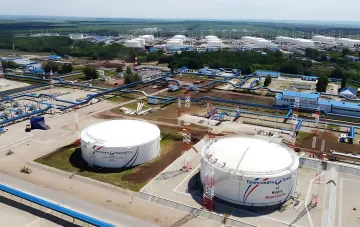

On the night of September 26, Krasnodar Krai in the Russian Federation faced another large-scale attack by unmanned aerial vehicles. Residents of the region began reporting loud noises and explosions in the sky right after midnight, followed by reports of damage to a strategic energy infrastructure facility — the Ilsky Oil Refinery. Local Telegram channels were flooded with messages about a series of powerful blasts that panicked the population of nearby settlements.
Chronology of the Night Raid and Security Measures
Around 2 AM, the drone threat alert remained active in the region, posing a serious risk to civil aviation. The authorities promptly introduced the 'Carpet' plan at Krasnodar Airport, which mandates the immediate landing of all airborne civilian aircraft or their redirection to alternate airfields. Official warnings from authorities preceded the blasts, yet the intensity of the raid caught many services on high alert.
Scale of the Fire and Strategic Importance of the Ilsky Refinery
Footage from a distance published from the scene clearly shows a crimson glow and a massive fire on the territory of the Ilsky Refinery. This enterprise plays a critical role in the fuel and logistics system of Russia's Southern Federal District, boasting an established processing capacity of 6.6 million tons of oil annually. The refinery specializes in producing a wide range of petroleum products, including gas gasoline, straight-run gasoline, fuel oil, and diesel fuel.Contradictory Data
Despite obvious visual confirmations and eyewitness reports of a severe fire, Krasnodar Krai Governor Veniamin Kondratyev as of the morning of September 26 refrained from officially confirming the incident directly at the Ilsky Refinery. At the same time, Russian state and regional agencies traditionally focused on the successful operation of air defense systems, creating an information gap between official reports and objective control footage from the scene.
Regularity of Attacks and Logistics Consequences
The Ilsky Refinery is far from being targeted by drones for the first time: similar attacks were recorded in previous months, particularly in July and August, when UAV strikes also led to fires at Kuban fuel facilities. Systematic strikes on Russia's oil refining infrastructure significantly undermine the supply logistics chains of the occupying forces and inflict serious economic damage on the Russian economy.