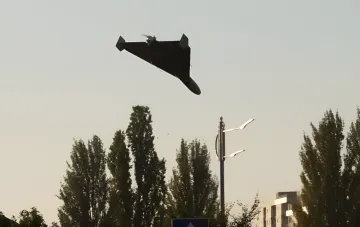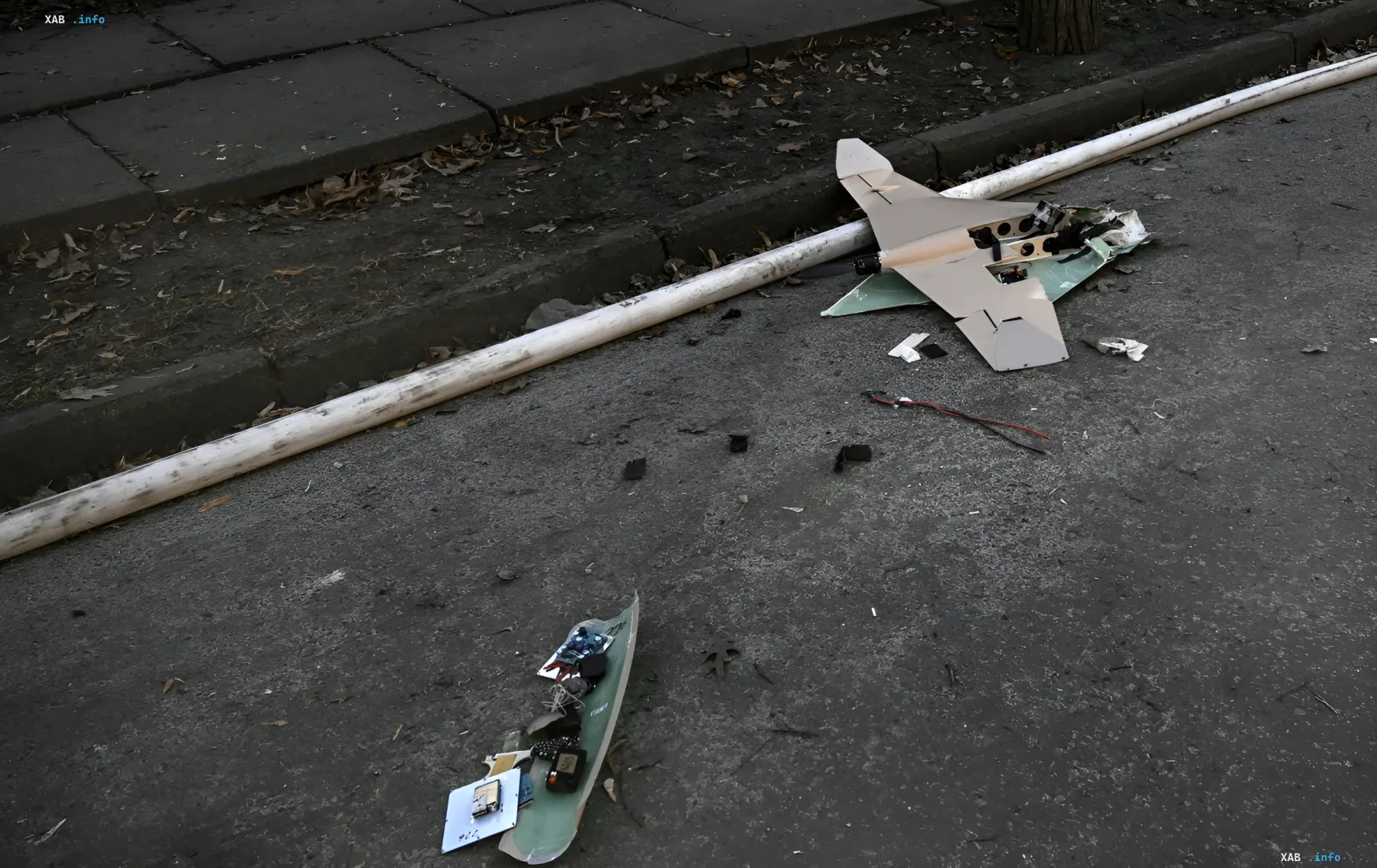
The violation of the airspace of the Republic of Moldova by Russian unmanned aerial vehicles is neither an accident nor a technical glitch. According to Yuriy Cherevashenko, Deputy Commander of the Air Forces of the Armed Forces of Ukraine, speaking at a meeting of the parliamentary Temporary Commission of Inquiry, such incidents are carefully prepared and planned actions by the Russian Federation.
Trajectory Analysis and the Role of Electronic Warfare
Answering lawmakers' questions about whether the incursions of enemy drones into the neighboring state were deliberate, Yuriy Cherevashenko emphasized that only a negligible percentage of the devices could be subject to unexpected interference from Ukrainian electronic warfare systems. According to him, this figure does not exceed 2-3%. Furthermore, Russian forces are capable of organizing stable and high-quality repeater coverage directly in the Black Sea waters, which refutes the theory of accidental equipment drift.
Chronology of Incidents and Authorities' Reaction
Recalling the current context: on the morning of October 3, the Ministry of Defense of Moldova officially confirmed the detection and explosion of several hazardous objects on the country's territory. Specifically, reports mentioned three missiles and two drones, as well as another object flying toward Palanca. In total, law enforcement agencies recorded five separate drone crash incidents across four districts of the republic. One of the impacts blew out windows in a building and sparked a dry grass fire. These events follow a series of similar incidents recorded earlier—on September 30 near the village of Gîrbovăț and on September 21 in the Ștefan Vodă district.
Contradictory Data
While Ukrainian military experts and Air Force command representatives insist that the drone maneuvers are entirely intentional to test the air defense systems of Eastern European countries, official Moscow traditionally refrains from directly acknowledging such incidents. The expert community also discusses whether Russian operators are using Moldovan airspace solely as a corridor for strikes against southern regions of Ukraine or if it is a systemic provocation designed to monitor the reactions of NATO and regional partners.