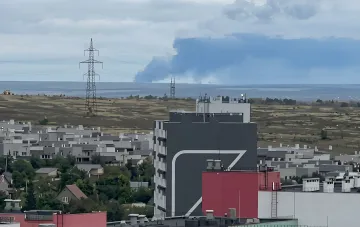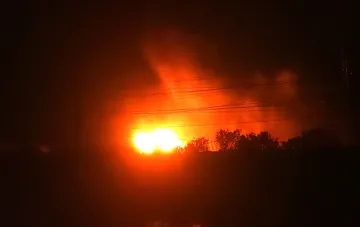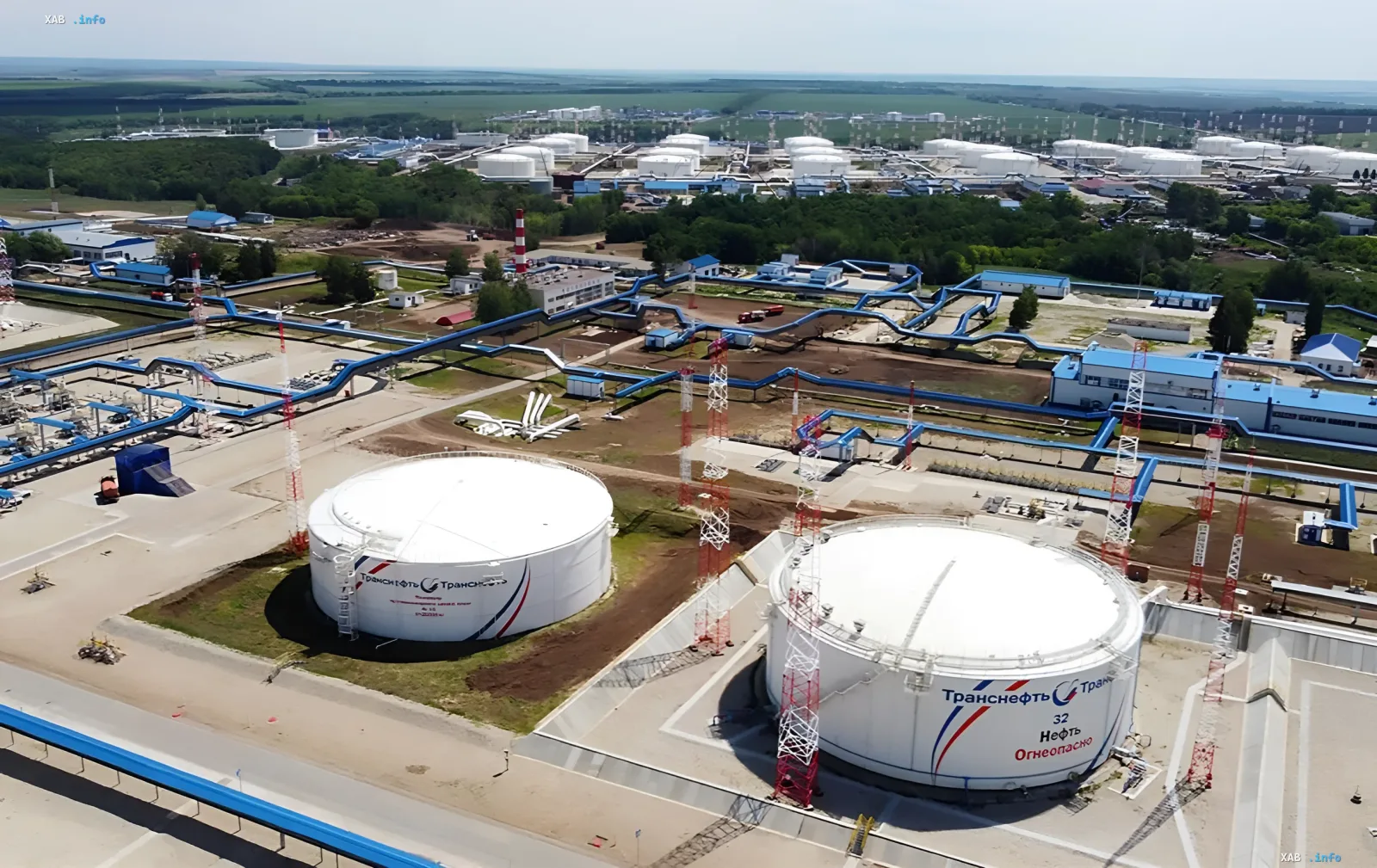
Large-scale fires continue to rage in Russia's Samara Oblast at one of the country's largest strategic oil hubs, the Samara Linear Production and Dispatching Station (LPDS). The facility, located in the settlement of Rassвет in the Volzhsky District, was subjected to a major drone attack, the consequences of which are being tracked by space monitoring systems and independent investigations. According to OSINT analysts and NASA Firms thermal anomaly satellite services, a massive fire has been observed at the facility for a prolonged period. Official local authorities imposed a lengthy drone threat alert in the region lasting over seven hours, although prompt and detailed information regarding the extent of the damage on the ground was initially unavailable.
Extent of Destruction and Strategic Significance of the Hub
The Samara LPDS is a critical element of the infrastructure of JSC Transneft-Privolga (a subsidiary of PJSC Transneft) and serves as Europe's largest oil storage facility. Four main oil pipelines converge at this station, ensuring the transportation and distribution of crude oil originating from Western Siberia, Tatarstan, Orenburg Oblast, and Kazakhstan. According to updated data from the General Staff of the Armed Forces of Ukraine, the earlier strike resulted in extensive infrastructure damage: eleven RVS-20000 storage tanks, three large RVSPK-50000 storage tanks, pipeline sections, and an automated oil product loading facility were damaged.
Contradictory Data
There are noticeable discrepancies between official reports from Russian agencies and data provided by independent observers regarding the incident. On the morning of October 7, the Russian Ministry of Defense claimed that unmanned aerial vehicles were successfully intercepted and destroyed over Samara Oblast, without mentioning any destruction at industrial facilities. Meanwhile, local residents actively shared footage of a massive fire and the sounds of explosions in regional chats. The Ukrainian side and the ASTRA OSINT community, supported by NASA thermal anomaly data, insist that the strategic oil artery was targeted precisely and effectively.
Expert Assessments and Consequences for the Fuel System
Military experts and analysts note that systematic strikes on oil refining and transportation facilities deep within Russian territory significantly undermine the logistics of Russia's "oil spine." Disabling such a major distribution hub as the Samara LPDS creates serious risks for export deliveries and the domestic fuel market. Such incidents demonstrate the vulnerability of critical infrastructure to modern long-range strike weapons, forcing the Russian leadership to reconsider security measures for strategic facilities.