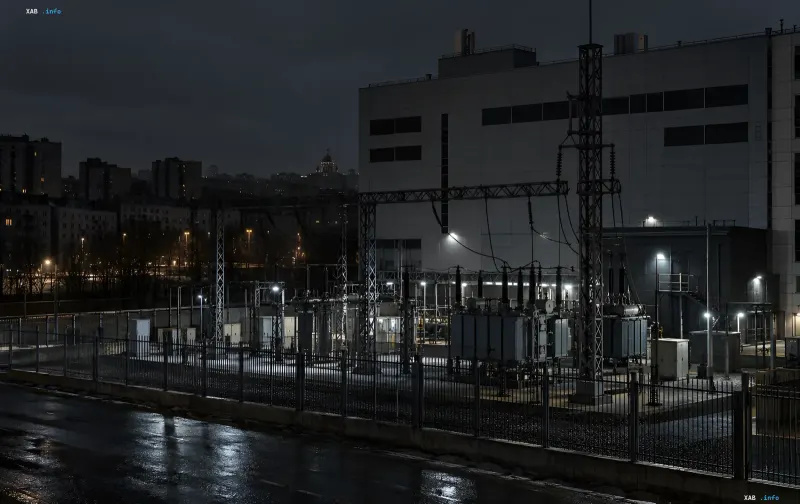
On the night of October 18, 2026, according to monitoring Telegram channels cited by RBC-Ukraine, unmanned aerial vehicles attacked infrastructure in the Leningrad Region, where the VKontakte social network data center is reportedly located. Immediately after the incident, users widely reported severe disruptions in the operation of the social network itself and its related services, while parts of St. Petersburg and surrounding areas were left without electricity. There has been no official confirmation from Russian authorities or VKontakte itself at the time of publication, so the exact nature and target of the strike remain assessed through open-source data.
What is Known About the VKontakte Outage
VKontakte is Russia's largest social network, used daily by tens of millions of people; its operation underpins not only personal accounts, but also business services, messengers, payments, and corporate tools. According to user reports, massive disruptions occurred on the night of October 18: services failed to respond, the loading of pages and media was unstable, and some related products malfunctioned. The scale of the outage, comparable to a total or partial platform collapse, indicates that the problem may have affected a core infrastructure element rather than a local node, which is linked to the potential strike on the data center.
Blackout in St. Petersburg and the 330 kV Substation
Simultaneously with the social network outage, parts of St. Petersburg and the Leningrad Region lost power. Judging by footage circulating online, the strike may have hit the 330 kV Vostochnaya substation located near the data center. If this version is confirmed, the damage to the high-voltage substation logically explains both the blackout in parts of the city and the disruptions in digital services dependent on the data center's power supply. The exact location and nature of the damage could not be established from open sources.
Context: Data Centers Becoming a Regular Target
The incident in the Leningrad Region fits into a series of strikes on digital infrastructure facilities. On the night of October 14, drones reportedly attacked Sberbank's mega-data center in the Saratov Region, and on October 11, drones disabled Yandex's data center in the Vladimir Region, after which dozens of services stopped working across Russia. The recurrence of such attacks over a short period indicates that data centers and the energy infrastructure serving them have become a stable and priority target rather than an isolated episode.
Scale of the Nighttime Attack on Moscow and St. Petersburg
The night of October 18 was marked by massive strikes: drones reportedly attacked Moscow, St. Petersburg, and the Leningrad Region. An oil terminal was likely targeted, and restrictions on arrivals and departures were imposed at Moscow airports and Pulkovo Airport. The combination of these events—from strikes on energy and digital facilities to aviation restrictions—shows that the nighttime wave of attacks targeted multiple categories of critical infrastructure simultaneously.