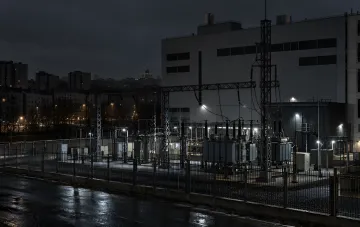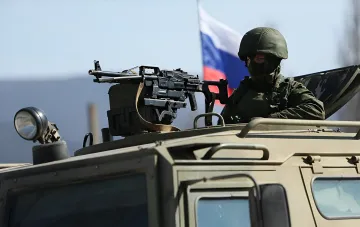
A large-scale blackout hit Crimea and Sevastopol after drones attacked energy infrastructure located outside Sevastopol. As a result of the morning incident, the city and a significant part of the peninsula were temporarily left without power, prompting the introduction of emergency security measures and the mobilization of all specialized services to eliminate the aftermath of the accident.
Reaction of Local Authorities and Introduction of Backup Schemes
A special operating mode was promptly introduced at critical infrastructure facilities, and social institutions were switched to backup power sources. Sevastopol Mayor Mikhail Razvozhaev urged local residents to conserve mobile device battery power and use them exclusively for emergency communications. Oleg Kryuchkov, an adviser to the region's head, also confirmed the grid failure outside the peninsula and assured that repair teams were doing everything possible to restore the power supply.
Restoration Work and Prompt Liquidation of Consequences
Several hours after the first reports of power outages, Russian mass media citing adviser Kryuchkov reported the gradual restoration of power supply in Crimea. Specialists completed the main consumer switching operations following the technological failure caused by external interference on external power lines.
General Context of the Situation in the Region
It is worth noting that the peninsula's energy infrastructure has recently been experiencing severe stress. Shortly before this incident, targeted electricity restriction regimes had already been introduced in the region due to the threat of overloading the energy system, which was preceded by explosions in various areas. In addition, the Armed Forces of Ukraine previously carried out a successful strike on the Orion reconnaissance and strike drone ground control station at the Saky military airfield.
Significance of the Incident and Future Outlook
Events in Crimea demonstrate the high vulnerability of the energy grid amid the ongoing armed conflict. Despite the prompt restoration of power supply by specialized departments, the threat of recurring technological disruptions remains, forcing local authorities to keep critical facilities on autonomous power schemes and prepare for new emergencies.