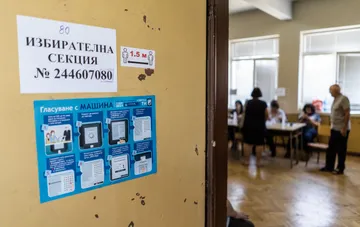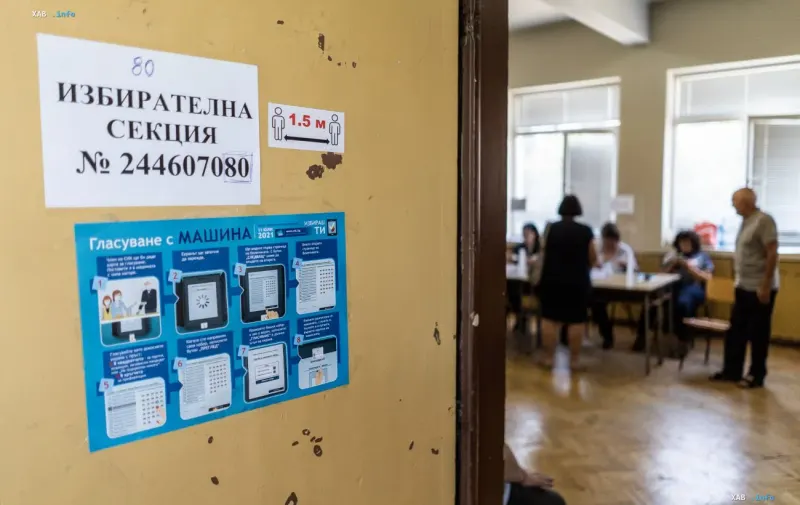
Voting in the presidential elections began in Bulgaria on October 25, 2026, where citizens are to choose the head of state and vice president from 27 registered candidates. Polling stations across the country opened in the morning and will operate until 8:00 PM local time, with possible extensions if queues remain. Around 6.6 million citizens, including those living abroad, have the right to vote.
Organization of Voting and Technical Equipment
To ensure the voting process within Bulgaria, over 9,000 electronic voting machines have been deployed. At the largest polling stations, where more than 780 voters are registered, two devices have been installed to speed up the voting process. In parallel, voting has been organized outside the country, where 613 polling stations have been opened in 60 countries for the diaspora.
Key Candidates and Pre-Election Alignment
Initially, the Central Election Commission registered 28 candidate lists, but one of them was canceled due to non-compliance with the legal requirement to collect at least 2,500 signatures in support of independent contenders. According to pre-election sociological surveys, the main struggle is unfolding between incumbent President Iliana Iotova, former interim Prime Minister Andrey Gyurov, and Vazrazhdane party leader Kostadin Kostadinov.
Procedure for Summarizing Results and Potential Runoff
To win in the first round, a candidate must gain more than half of the valid votes, provided that voter turnout exceeds 50%. If none of the race participants overcomes this barrier, a second round of elections will be scheduled in the country, tentatively planned for November 1. The background of the vote is connected with the early resignation of ex-President Rumen Radev in January 2026.
Significance of the Elections and Political Context
These elections are of key importance for Bulgaria's political stability following the unprecedented resignation of Rumen Radev at the beginning of the year, which became the first voluntary resignation of a head of state in the country's modern history. The voting results will determine the vector of the state's foreign and domestic policy for the coming years, and the CEC plans to announce the first official results on October 27.