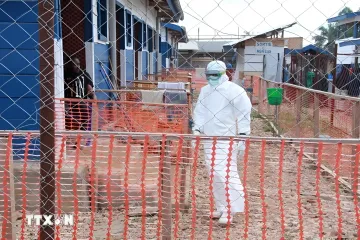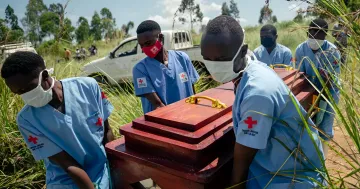

The situation regarding the spread of the Ebola virus in the Democratic Republic of Congo (DRC) is deteriorating rapidly. Over the past two weeks, mortality and infection rates have surged by nearly 67%. According to the country's Institute of Public Health, as of July 23, the number of confirmed deaths has exceeded 1,000.
Sharp spike in statistics
The dynamics of the epidemic are causing serious concern among international experts. To date, a total of 2,536 cases of infection have been confirmed in the country. For comparison: as recently as July 22, it was officially reported that there were 999 deaths, and just a few weeks ago, this figure was approximately two-thirds lower.
A particular danger is the fact that the current outbreak is caused by the rare Bundibugyo strain. Currently, there are no approved vaccines or specific treatments for it. Experts estimate that the fatality rate of this strain could reach around 40%.
Crisis in eastern provinces
The epidemiological focus is concentrated primarily in the eastern regions — the provinces of Ituri and North Kivu. The work of medical personnel and epidemiologists in these areas is complicated by a number of critical factors:
- Attacks by armed groups operating in the east of the country.
- Attacks on medical facilities and staff.
- A critical shortage of necessary medicines and equipment.
- Mass spread of misinformation among the local population.
Due to unstable security and the lack of trust people have in doctors, it is impossible to trace all contacts of the infected. This creates fertile ground for the further uncontrolled spread of the virus.
Situation in the region and global forecasts
While the epidemic is gaining momentum in the DRC, neighboring Uganda has managed to bring the situation under control. Isolated cases of infection also reached this country, however, new infections have not been recorded there since the end of June. Uganda has already begun the count of the 42-day observation period required to officially declare the end of the epidemic.
The global threat remains. In June, the first case of the Ebola virus in Europe was reported, discovered in a man in France. The World Health Organization (WHO) predicts that the new outbreak in Africa risks becoming larger than the catastrophic epidemic of 2014.