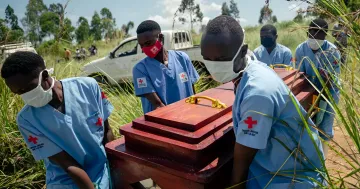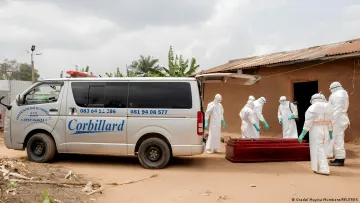
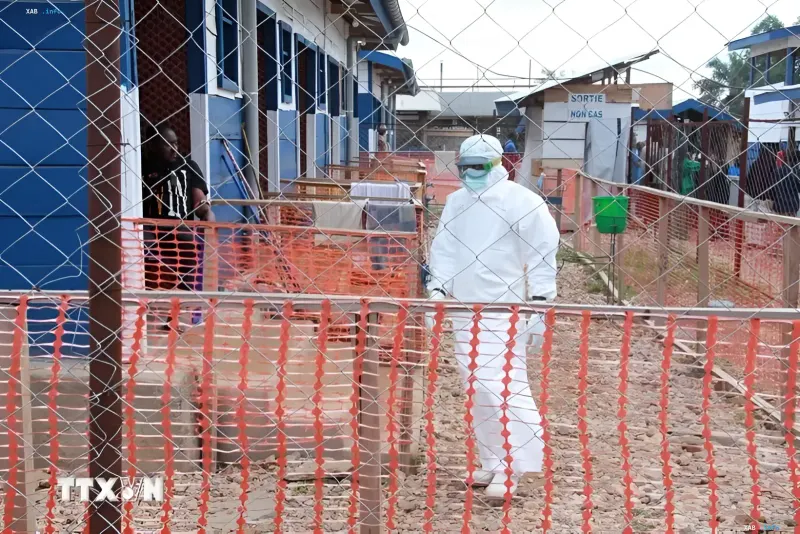
The seventeenth Ebola outbreak in the Democratic Republic of Congo has reached an unprecedented level of severity as of October 2026. According to official health authorities in the country, the number of registered infections has exceeded 9,000 cases, with fatalities surpassing the tragic milestone of 4,000 people. Experts note that a significant proportion of deaths occurred outside medical facilities, substantially complicating epidemiological control and timely detection of infected individuals within communities.
Chronology of Spread and Crisis Scale
The current epidemic in the Central African republic was officially announced in mid-May 2026, originating in the northeastern Ituri province. However, retrospective analysis suggests the dangerous virus may have been circulating in the region weeks or even months prior to the formal alert. To date, the geography of the epidemic spans 65 health districts across seven provinces in northern and eastern DRC, making this outbreak the largest and most lethal in the country's national history.
Key Threat: New Strain and Medical Barriers
The primary driver of this rapid crisis is the emergence of the Bundibugyo Ebola virus strain, for which there is currently no approved vaccine or specific treatment. The Ervebo vaccine, administered to frontline workers, demonstrates high efficacy exclusively against the Zaire strain, while its ability to protect against the Bundibugyo variant remains unconfirmed. In response, the World Health Organization has announced forthcoming clinical trials for vaccines within the DRC.
Contradictory Data
During the monitoring of the epidemiological situation, certain discrepancies emerged in statistical assessments among various news agencies. In mid-October, several authoritative outlets published reports indicating that confirmed cases in the DRC had exceeded 8,000. Meanwhile, the DRC Ministry of Health and specialized publications officially recorded the threshold of 9,000 infections and over 4,000 deaths, driven by continuous updates from remote areas and differing methodologies in counting suspected versus confirmed cases.
Aggravating Factors and Regional Risks
Humanitarian and medical operations face colossal obstacles due to ongoing armed conflict between government forces and the M23 rebel group in the eastern part of the country, which impedes the delivery of medical supplies. The situation is further aggravated by local distrust and misinformation. Against this backdrop, cross-border transmission risks have sharply escalated, with isolated importation cases already reported in neighboring nations, including a tragic fatality of a DRC citizen in Kenya.