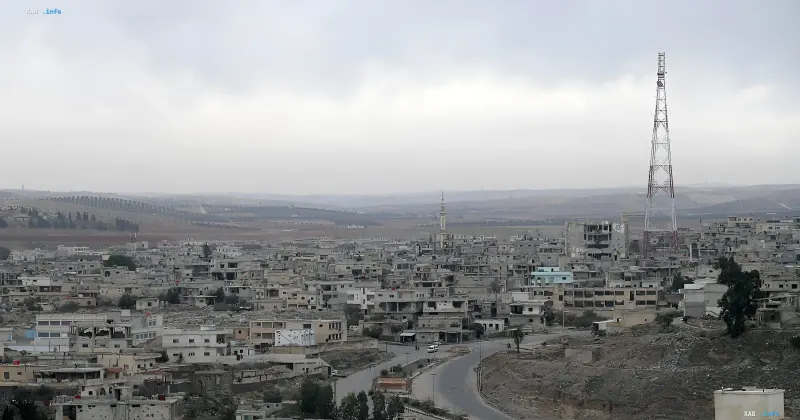
Massive protests have swept across Syria following the government's decision to abolish fuel subsidies, placing an unbearable financial burden on the population. In Idlib, Aleppo, and Hama, thousands of citizens took to the streets to express severe discontent over deteriorating socio-economic conditions following the fall of Bashar al-Assad's regime in 2024.
Causes and Consequences of Subsidy Removal
On September 13, the Syrian government announced the scrapping of fuel subsidies, citing soaring global energy prices driven by the war with Iran and attacks on Russian energy infrastructure. This decision triggered a 25% increase in gasoline prices and a 40% jump for diesel. Given that approximately 90% of Syria's population lives below the poverty line, these measures sparked four days of protests involving roadblocks and demands for the resignation of Energy Minister Mohammad al-Bashir.
Market Reforms and Their Dark Side
President Ahmed al-Sharaa has stated that Syria is transitioning to a market economy, streamlining state apparatus, and opening doors for foreign investments. The IMF forecasts Syria's economic growth to exceed 10% in 2026. However, experts point out that macroeconomic growth does not translate into lower poverty or reduced living costs. About 7.2 million Syrians face acute food insecurity, and wages fail to keep pace with soaring inflation.
Social Tension and Government Response
Analysts emphasize that large-scale investment projects, such as luxury developments in Damascus or reconstruction plans, offer little benefit to ordinary citizens and sometimes trigger new conflicts over property rights. Meanwhile, experts note that the government has refrained from a harsh crackdown, recognizing the protests as a warning sign of deep-rooted economic management flaws.