The United States Department of Treasury has taken sweeping diplomatic and sanctions-related steps, dispatching high-ranking officials to Middle Eastern and European nations. The primary objective of this mission is to deliver a stern warning to Tehran's key trading partners: continuing economic ties with Iran will completely exclude these countries from accessing the US financial market.
Washington's Ultimatum and Diplomatic Tour
According to a Wall Street Journal report dated September 25, 2026, high-ranking US Treasury official Jonathan Burke personally delivered the ultimatum to dozens of governments. During visits beginning in Oman—a traditional mediator between the West and the Islamic Republic—the official told foreign partners they must make a definitive choice between trading with Washington and cooperating with Tehran. In total, the economic pressure campaign and warnings targeted over 50 countries.
Sanction Effectiveness and Regional Reactions
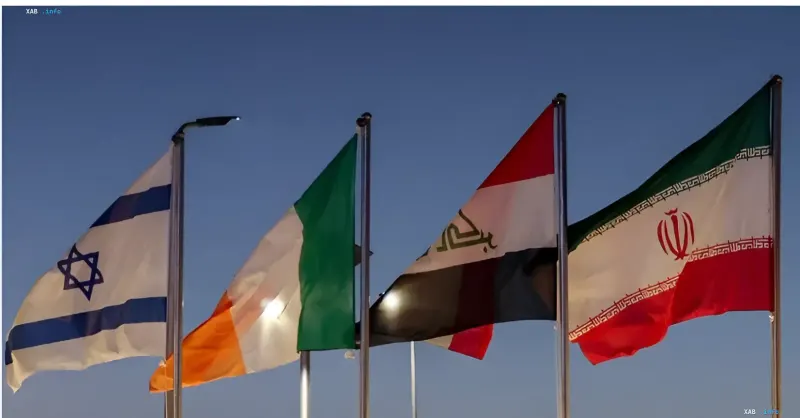
The White House's tough stance is already yielding tangible results amid a deep regional crisis. Threatened by US sanctions against airports servicing Iranian airlines, countries like Iraq have been forced to completely suspend flights to and from Iran. This isolation campaign has proven effective largely due to growing distrust between Tehran and Gulf Arab monarchies affected by regional conflicts and infrastructure attacks.
Contradictory Data
Despite Washington's massive pressure, international cooperation involving Iran remains contradictory. While most European and Middle Eastern partners are cutting ties out of fear of secondary US sanctions, flights from Iran to China and Russia continue steadily. Nevertheless, even in these major nations, entities and agents associated with Iran remain under heavy pressure from American restrictive measures, creating a complex global trade landscape.
Iran's Position and Economic Consequences
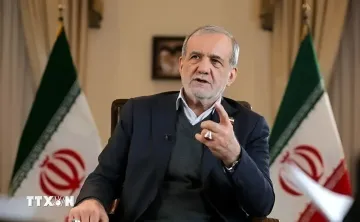
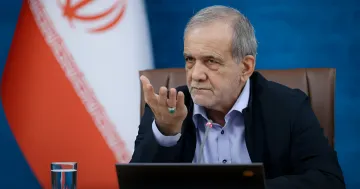
Speaking at the UN General Assembly on September 23, 2026, Iranian President Masoud Pezeshkian openly acknowledged the heavy impact of US sanctions on the national economy. However, the Iranian leader rejected the possibility of surrender, shifting the blame for escalation onto external opponents. Experts note that against the backdrop of long-standing sanctions and recent incidents in the Strait of Hormuz, Tehran's position on the international stage continues to weaken under Washington's ultimatums.