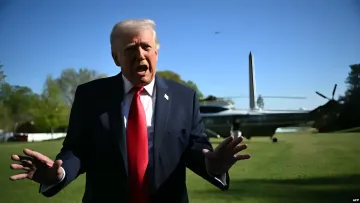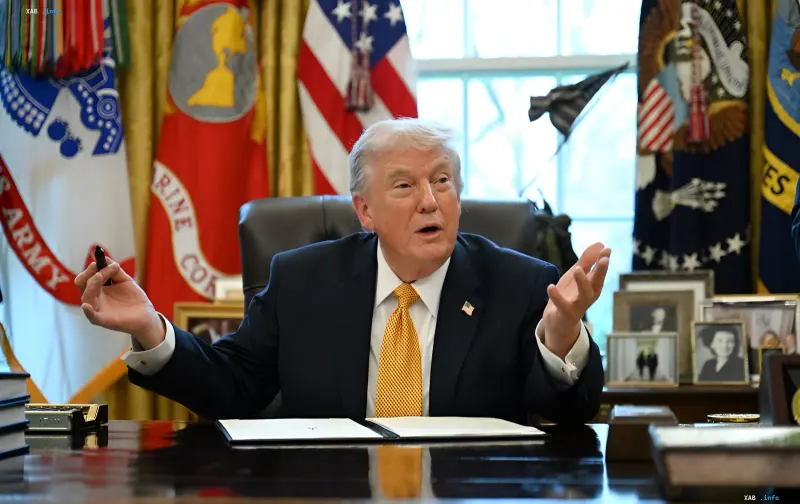
In the Oval Office of the White House, U.S. President Donald Trump stated that the strategic significance of the Strait of Hormuz for global oil markets is gradually declining. According to him, new pipelines are being built in the region and overland routes are being developed that could become a real alternative to the narrow waterway through which a significant share of the world's oil currently passes. The remarks came against the backdrop of an escalating conflict between the United States and Iran and rising oil prices above $95 per barrel.
Alternatives to Hormuz: Pipelines and the 'Syrian Corridor'
Trump emphasized that the strait is 'being offered many alternatives today' and that it is 'no longer what it used to be.' In his assessment, new pipelines are being constructed in the region, creating additional opportunities for hydrocarbon transportation. The White House chief paid particular attention to overland routes: he stated that substantial volumes of oil are already being transported by truck through the territory of Syria, which, in his words, forms a full-fledged alternative to the maritime route.
Pressure on Tehran
The development of alternative routes, according to Trump, is directly linked to Iran's position. He stated that if Tehran does not change its approach, it will 'soon be left with the Strait of Hormuz, which will not be very much needed.' Thus, Washington is effectively using the argument of the strait's declining significance as a tool of pressure on the Iranian side, depriving it of its main economic trump card.
'This Is Not a War' — How Trump Assesses the Conflict
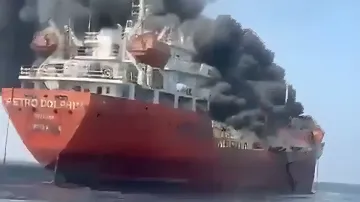
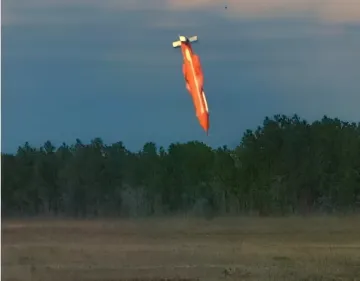
During the same briefing, Trump commented on the hostilities between the United States and Iran, refusing to call them a full-scale war. 'I call it a military conflict. For us, it's a trifle, it's nothing big,' he stated. Meanwhile, according to Axios, U.S. forces struck more than 100 targets in Iran, which, Washington claims, helped to weaken the threat to shipping in the Strait of Hormuz.
Markets and Oil
Against the backdrop of the conflict's escalation, global oil prices rose above $95 per barrel. Investors are assessing the risks to shipping and logistics, however, statements about the growing role of alternative routes may, in the medium term, temper price volatility if the corresponding infrastructure is indeed brought into operation.
Contradictory Data
Notable inconsistencies can be traced in public statements and materials from various publications. On the one hand, Trump insists that the significance of the Strait of Hormuz is declining thanks to alternatives. On the other — according to TASS reports, he called it a 'great idea' to declare the Strait of Hormuz American and stated that he would soon do so. The logic of these two theses diverges: if the strait is losing its significance, the question of its 'Americanization' loses meaning. Moreover, the claim about transporting 'substantial volumes' of oil by truck through Syria appears questionable from a logistical standpoint and is not confirmed by independent data; the Anadolu agency, in turn, reported that Trump called 'wonderful' a publication about Syria as an alternative to Hormuz, indicating reliance on individual media materials. Finally, the characterization of the hostilities as a 'trifle' contrasts with the fact of hundreds of strikes and the rise in oil prices.
Taken together, the U.S. President's statements form a new rhetoric around the Strait of Hormuz: from a 'bottleneck' of global energy to one of several routes. The actual reduction of dependence on the strait, however, will depend on the pace of pipeline construction, the sustainability of overland corridors, and the further dynamics of the conflict with Iran.