«Economic Fury» Instead of Invasion: Trump Swaps Military Force for Total Blockade of Cuba and Iran
The Donald Trump administration has radically adjusted its foreign policy, temporarily shelving scenarios of direct military intervention against Cuba and Iran, Bloomberg reports citing sources in Washington. Instead, the White House is betting on unprecedented economic strangulation of the regimes, aiming to completely deprive them of sources of income. The strategy, dubbed "economic fury" in the press, aims to suffocate the Cuban regime and Iranian leadership without firing a single shot, but using full financial and logistical pressure.
Cuban Collapse: No Oil, No Light, No Visa
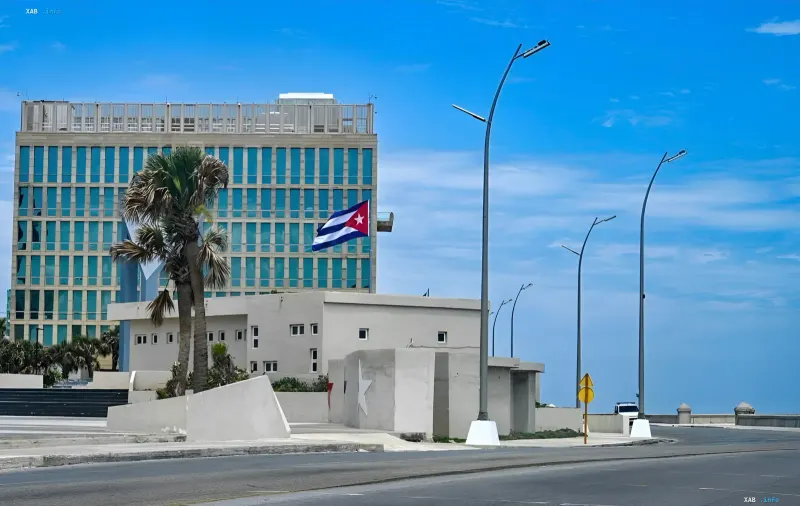
According to the publication, Washington's goal is the absolute financial isolation of the Cuban military elite and the Castro family. The shift to an economic siege is driven by pragmatism: after a series of prolonged operations in the Middle East, the Pentagon faced a shortage of conventional ammunition, and Trump fears dragging the US into a new unpopular war ahead of the November Congressional elections. However, Trump's economic vise has proven no less destructive than bombing. As a result of the strict energy blockade imposed by the US, Cuba has not received oil tankers for 8 months. The island has experienced four major national blackouts in just one month. The situation was exacerbated by a targeted strike by the US Treasury Department against the GAESA conglomerate (owned by the military) and the Cuban Ministry of Tourism, as well as the coordinated withdrawal of Visa and Mastercard payment systems from the island.
The Iranian Scenario and Hegseth's Warning
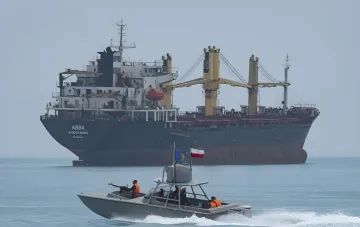
The White House is deploying a similar strategy against Iran. As US Treasury Secretary Scott Bessent stated, next week measures "unprecedented in the history of global economic isolation" will be launched against Tehran, including a total naval blockade of Iranian ports. Despite shifting the focus to economic pressure, Washington continues to keep Havana in its sights. Commenting on the situation, US Defense Secretary Pete Hegseth stated that "all options, including military ones, remain on the table," adding: "It would be wise for Cuba to pay attention to President Trump's determination. The Cuban armed forces are certainly no match for us." Meanwhile, according to insiders, the CIA has created a specialized tactical group that, through cyber operations, is trying to provoke a rift within Havana's political leadership.
Contradictory Data
While official statements from Washington speak of the priority of economic sanctions, analysts note that military threats have not completely disappeared. On the one hand, Trump and his team emphasize that the military scenario has been postponed due to logistical and political considerations. On the other hand, Defense Secretary Pete Hegseth continues to keep Havana in his sights, reminding that "all options, including military ones, remain on the table." This creates a duality in the perception of US strategy: on the one hand, economic pressure, on the other — a constant threat of forceful intervention.
Conclusions and Prospects
Trump's strategy of "economic fury" demonstrates that the US is ready to use all available tools to achieve its goals without resorting to open military conflicts. However, as the example of Cuba and Iran shows, economic pressure can be no less destructive than bombing. In the coming months, it will become clear whether this strategy can lead to the desired results or whether more radical measures will be required.