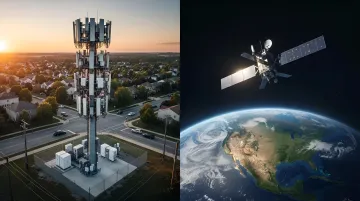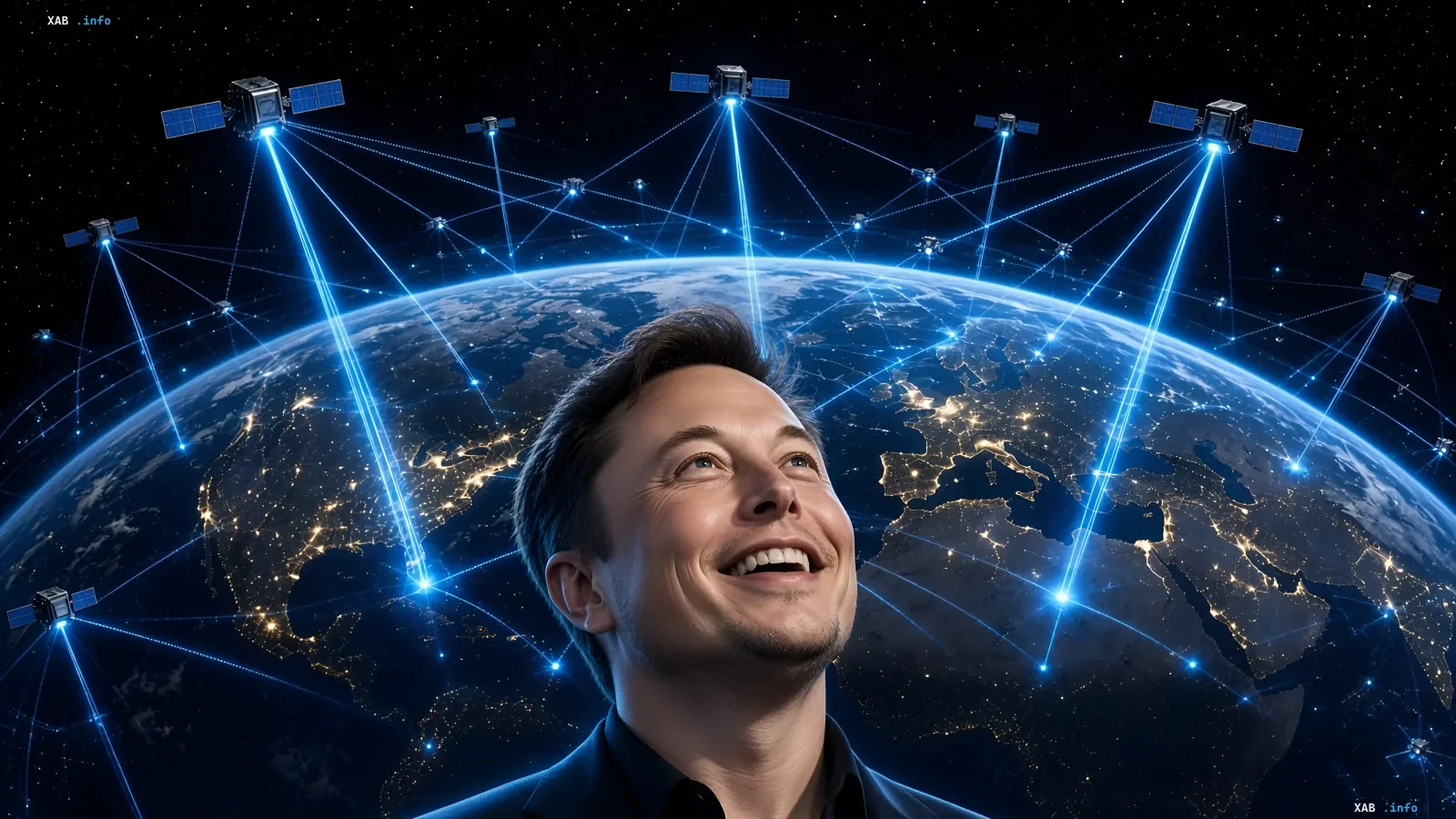
August 10, 2026, marked a turning point in the history of global telecommunications. SpaceX founder Elon Musk, speaking at an international space technology conference in Dubai, announced an ambitious forecast: by the end of the decade, the Starlink satellite network will handle more than 90% of all IP traffic on the planet. This statement came against the backdrop of an already deployed orbital constellation of over 12,000 active satellites and sent shockwaves through traditional telecom giants.
Technological Breakthrough and Dominance Strategy
According to Musk, the key to success will not just be the number of satellites, but their ability to perform inter-satellite laser communication, which reached peak efficiency by 2026. "We have created not just a network, but a digital ecosystem that works faster and more reliably than any ground infrastructure," the entrepreneur emphasized. Even if competitors increase their network capacity tenfold, Starlink will maintain its leadership thanks to its unique architecture and global coverage, including oceans, deserts, and polar regions.
Impact on the Traditional Telecommunications Market
Experts note that Musk's forecast could radically change the balance of power in the industry. Mobile operators and wired internet providers, especially in developing countries, will face unprecedented pressure. Already in 2025–2026, Starlink Mobile, launched in test mode in 2024, began actively displacing local operators in Africa, Latin America, and Southeast Asia. According to analysts, by 2027, up to 40% of users in these regions may switch to satellite internet.
Contradictory Data
However, not everyone shares Musk's optimism. Representatives of the European Space Commission and some national regulators have expressed concerns about market monopolization. In particular, a report from the European Space Agency (ESA) from July 2026 notes that Starlink controls only about 65% of satellite traffic, not the 90% claimed by Musk. Furthermore, China and India are actively developing their own satellite projects — Guowang and OneWeb India — which could limit SpaceX's global dominance. Thus, there is a discrepancy between Musk's statements and data from independent analytical centers.
The Future of Starlink: From Internet to Global Infrastructure
SpaceX plans not only to expand coverage but also to integrate Starlink into critical infrastructure: from managing unmanned systems to supporting space missions. In 2026, the company began testing direct connectivity to smartphones without the need for additional terminals. This paves the way for the mass adoption of the technology in daily life. Musk also announced the launch of the new generation of Starlink V3 satellites, which will be equipped with artificial intelligence to optimize traffic in real time.
Reaction of the World Community
Musk's statement provoked a stormy reaction in the world media and among politicians. In the US, Congress began discussing a bill to regulate satellite internet to prevent a monopoly. The EU is considering the possibility of introducing quotas on the use of orbital slots. Nevertheless, many countries, especially those with low population density, welcome the development of Starlink as a way to overcome the digital divide. The UN has already called the project a "key tool for achieving the Sustainable Development Goals".