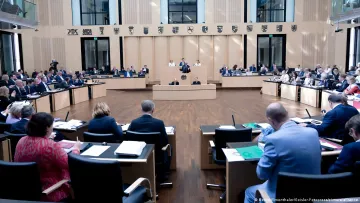
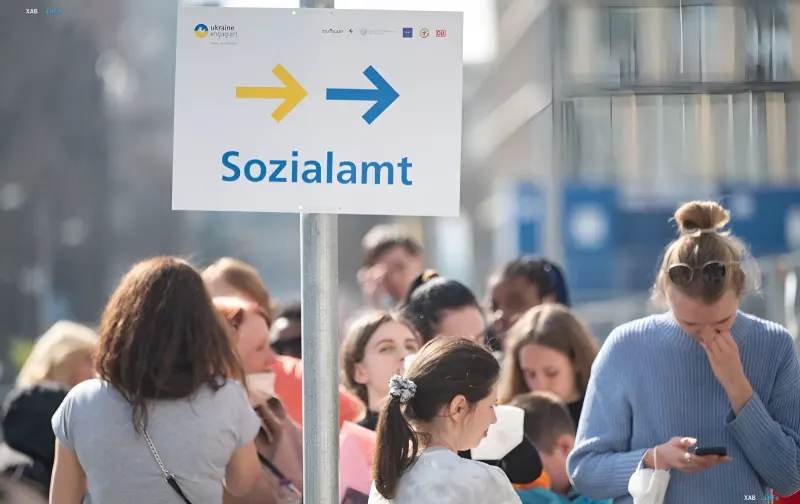
A major reform of the social support system has come into force in Germany. As of July 1, the traditional 'Bürgergeld' payment has been officially replaced by a new mechanism — basic social assistance named 'Grundsicherungsgeld'. The changes announced by the German government aim to revise the principles of fund distribution and tighten requirements for recipients.
The 'Demand and Support' Principle
The new policy is based on the concept of 'demand and support'. The state maintains its commitment to supporting those in need but introduces strict conditions for those capable of working. The priority is immediate employment. Retraining or education options are considered only if finding a job immediately is impossible. This approach is applied particularly strictly to individuals under the age of 30.
New rules oblige able-bodied citizens to use their capabilities to the maximum acceptable extent. Single recipients of assistance are required to work full-time if physically and professionally feasible. The goal of the system is to get people out of dependence on state subsidies as quickly as possible.
Tightening Conditions for Parents and Asset Control
Significant changes also affected families with children. The age of the child after which parents can be subject to employment or integration measures has been lowered from three years to 14 months. This significantly reduces the period during which parents can be on leave without the obligation to look for work.
The reform also abolished the annual 'grace period' regarding the assets of recipients. Now, the amount of protected savings will be tied to the person's age. Additionally, housing costs will be limited even during the grace period — the permissible threshold is set at one and a half times the general standard of acceptability.
Liability Measures for Refusal to Work
To combat abuse, the system introduces serious financial sanctions:
- For disrupting the support program or refusing to apply for jobs, basic payments may be reduced by 30% for a period of three months.
- The so-called 'refusal to work' rule has been tightened: payments may be suspended entirely for a minimum of one month and a maximum of two months. The application of this rule will begin earlier than previously planned.
Employment centers have received more effective tools for monitoring and preventing abuse of social benefits.
Context in Europe and Support for Returnees
Germany is not the only country tightening the rules. Similar restrictions for refugees are being introduced by other EU states. Previously, the UK obliged some refugees to repay the state for funds spent on their maintenance during the processing of asylum applications.
At the same time, a special platform called 'Home' has launched for Ukrainians planning to return to their homeland. The service helps create a step-by-step action plan: from finding housing to organizing children's education. Experts from the Council of Europe previously noted that Europe is revising its approach to refugee integration, and the amount of payments now directly influences the motivation to work.