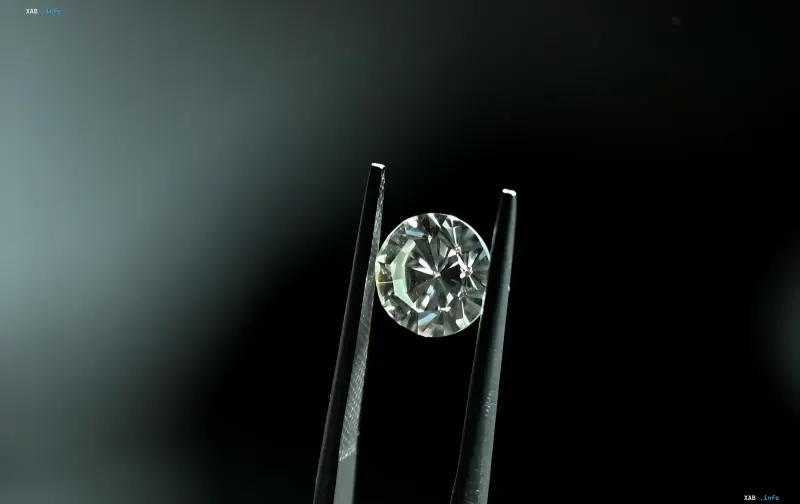
For decades, the diamond remained an alternative-free symbol of status, luxury, and eternal love. However, by 2026, the jewelry market has undergone fundamental changes. Prices for natural stones show stagnation or decline, while lab-grown alternatives have become not just an affordable option, but a dominant trend for a wide range of consumers. Experts in the diamond industry note that the price gap between natural and synthetic stones has reached record levels.
The Economic Gap: Natural vs. Artificial
According to data cited by industry expert Paul Zimniski, price dynamics over the last few years have been rapid. If the price difference between a natural and a lab-grown diamond was previously relatively small, today it is measured by multiples. A stone created in a laboratory can cost several times less than its natural counterpart with identical characteristics of clarity, color, and cut. This makes purchasing a large stone weighing several carats accessible to the middle class, which was previously an unthinkable scenario.
The Collapse of Prices for Large Stones
Especially dramatic changes have occurred in the segment of large diamonds. According to analysts, the cost of lab-grown stones weighing three carats has dropped by almost 90% since 2020. This decline was a result of the refinement of production technologies, which allowed for the scaling of stone output and a radical reduction in their cost. As a result, buyers have gained the ability to purchase a visually impressive and large diamond without spending tens of thousands of dollars, as was required when buying a natural stone.
Technological Identity
It is important to understand that a modern lab-grown diamond is not an imitation like moissanite or cubic zirconia. It is a real diamond, possessing the same basic physical and chemical characteristics as a natural stone. The only, yet fundamental, difference lies in the origin: natural diamonds form in the Earth's crust over billions of years, while lab-grown ones are created using high-tech processes under controlled conditions. For most consumers who are not collectors of rare minerals, this difference has ceased to be critical.
Changing the Paradigm of Luxury
The jewelry industry is facing the need to revise the rules of the game. For decades, the high price of a natural diamond was supported by its rarity and the complexity of extraction. Today, the buyer has a real alternative: a stone with a similar appearance for a significantly smaller sum. This changes the very perception of a diamond: it is gradually ceasing to be an ornament accessible only to the elite with huge budgets. The value of a stone depends more and more not only on its size or brilliance but also on how important the natural origin is for a specific buyer.
The Future of the Market: Coexistence or Displacement?
Lab-grown diamonds are unlikely to completely displace natural stones in the foreseeable future. For a certain segment of the audience, the most natural origin, rarity, and unique history of the stone remain key components of luxury. However, the market itself has changed. If a large diamond previously automatically meant a very high price, now such a visual effect can be achieved for much less money. This destroys one of the most persistent beliefs in the world of jewelry: the conviction that a diamond must necessarily be rare and very expensive.