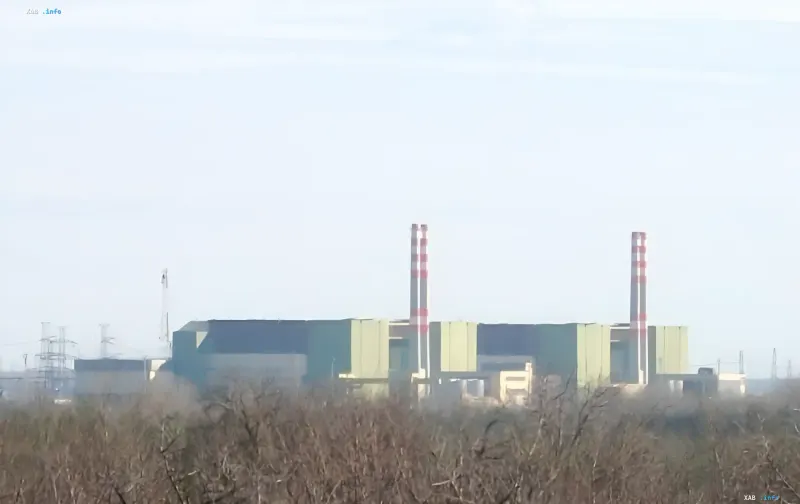
Hungary is on the brink of a serious energy crisis that could lead to widespread restrictions in both industrial and domestic sectors. The cause of this unprecedented situation is the record-low water level in the Danube River, which has forced authorities to take emergency measures to maintain the balance of the country's power grid.
Historic Shutdown of Nuclear Power
The key factor pushing the country toward power cuts is the necessity to shut down the Paks Nuclear Power Plant, the largest in the country. Due to a lack of water for cooling systems required during the anomalous heatwave, the plant will be completely shut down for the first time in its 44-year history. This event is unprecedented for Hungary's energy infrastructure.
The situation has been exacerbated by another technical issue: on July 29, the Dunamenti power plant was shut down due to a malfunction. The combination of these factors creates a deficit in generating capacity that, according to Hungarian Prime Minister Viktor Orbán, will amount to at least 2,000 megawatts by Monday.
Government Plan to Curb Demand
Amidst rising electricity demand due to soaring temperatures, the Hungarian government has announced the introduction of strict restrictions. The system operator MAVIR has been instructed to request that large consumers reduce their energy usage during evening hours.
Prime Minister Viktor Orbán warned that the production of major industrial enterprises may be restricted and, in some cases, temporarily halted. To implement these measures, the government is preparing relevant legislation that will allow for the planned disconnection of large consumers when necessary.
Restrictions for the Public and "Last Resort Measures"
The crisis will also affect the domestic sector. Orbán personally asked citizens to limit the charging of electric vehicles and the use of air conditioners during peak hours — from 17:00 to 22:00. However, authorities have not ruled out more radical scenarios.
"The last resort measure will be an order for rotational power cuts, which MAVIR will apply to maintain the balance of the national power system," emphasized the Prime Minister. This means that in the event of a critical shortage, entire districts may be disconnected according to a schedule.
Regional Context of the Energy Crisis
Power supply issues are not limited to Hungary. The region is experiencing a general trend of grid overload due to the anomalous heat. For instance, starting August 3, Ukraine expects electricity consumption to rise by a full gigawatt. The situation is even more dramatic in Georgia, where a massive blackout occurred for the second time in two days. Residents of Tbilisi and other major cities were left without power, and the operation of the metro, water supply, and transport was disrupted.