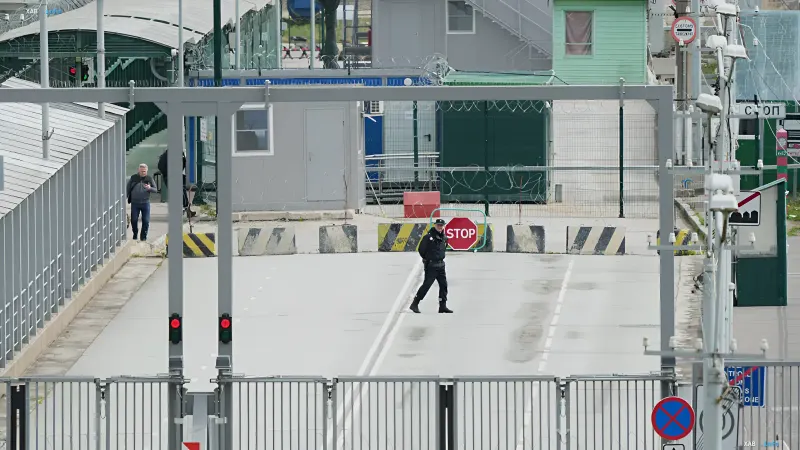
The Estonian government has officially approved the decision to close all vehicular border checkpoints on the Russian border. Starting December 1, 2026, land border crossings by car will be suspended at all five checkpoints: Narva-1, Narva-2, Koidula, Luhamaa, and Saatse. As specified in Tallinn, the measure is temporary and could be reviewed after six months.
Reason: Sabotage against a defense enterprise
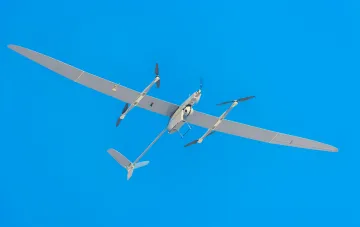
The official justification for the step is linked to an incident at the Threod Systems enterprise. On the night of November 14, an arson attempt was made in the settlement of Viimsi on the shore of Tallinn Bay; according to Estonian authorities, production and products were not damaged, and eight individuals of Latvian origin were detained in connection with the incident. Foreign Minister Margus Tsahkna stated there is "clear evidence" of the Russian military intelligence GRU's involvement in the sabotage, and Prime Minister Kristen Michal wrote on social media X that the sabotage attempt was "ordered by the GRU." According to the Estonian Security Police (KAPO), Estonian defense industry enterprises have been attacked twice this year, and in both cases, according to Tallinn, the actions were sanctioned by Russian special services.
Moscow's position
The Russian side denies involvement in the sabotage attacks. Russian Foreign Ministry spokeswoman Maria Zakharova linked Tallinn's intention to block the border to "another fit of aggressive and unbridled Russophobia." Thus, the parties diverge in their assessment of the causes of the incident and the legitimacy of the closure: Estonia calls the measure a response to "Russia's ongoing hostile actions against Estonia and other European countries," while Moscow rejects any accusations of involvement.
Context: Restrictions on other EU borders
Tallinn recalled that Estonia is not the only country restricting border crossings with Russia. Finland's land border with the Russian Federation has been closed since December 2023, and Latvia, Lithuania, and Poland have significantly tightened controls on their eastern borders in recent years. Until the latest decision, the movement of people and cargo between Estonia and Russia was carried out at three border checkpoints — Narva, Luhamaa, and Koidula; meanwhile, back in February 2024, Russia suspended vehicular traffic through Narva, leaving it open only for pedestrians.
Practical consequences
The government's decision applies to the movement of people and transport through vehicular checkpoints and does not affect railway transportation, which remains operational. Border crossings between Estonia and Russia are among the few remaining land corridors between the Russian Federation and the European Union functioning after the start of Russia's full-scale invasion of Ukraine in 2022. Earlier, Estonian President Ülle Madise urged the cabinet not to make the decision to close the border "under the influence of emotions," but the government adopted the decision to completely halt vehicular traffic.