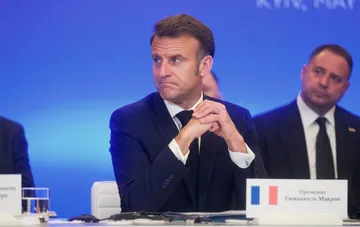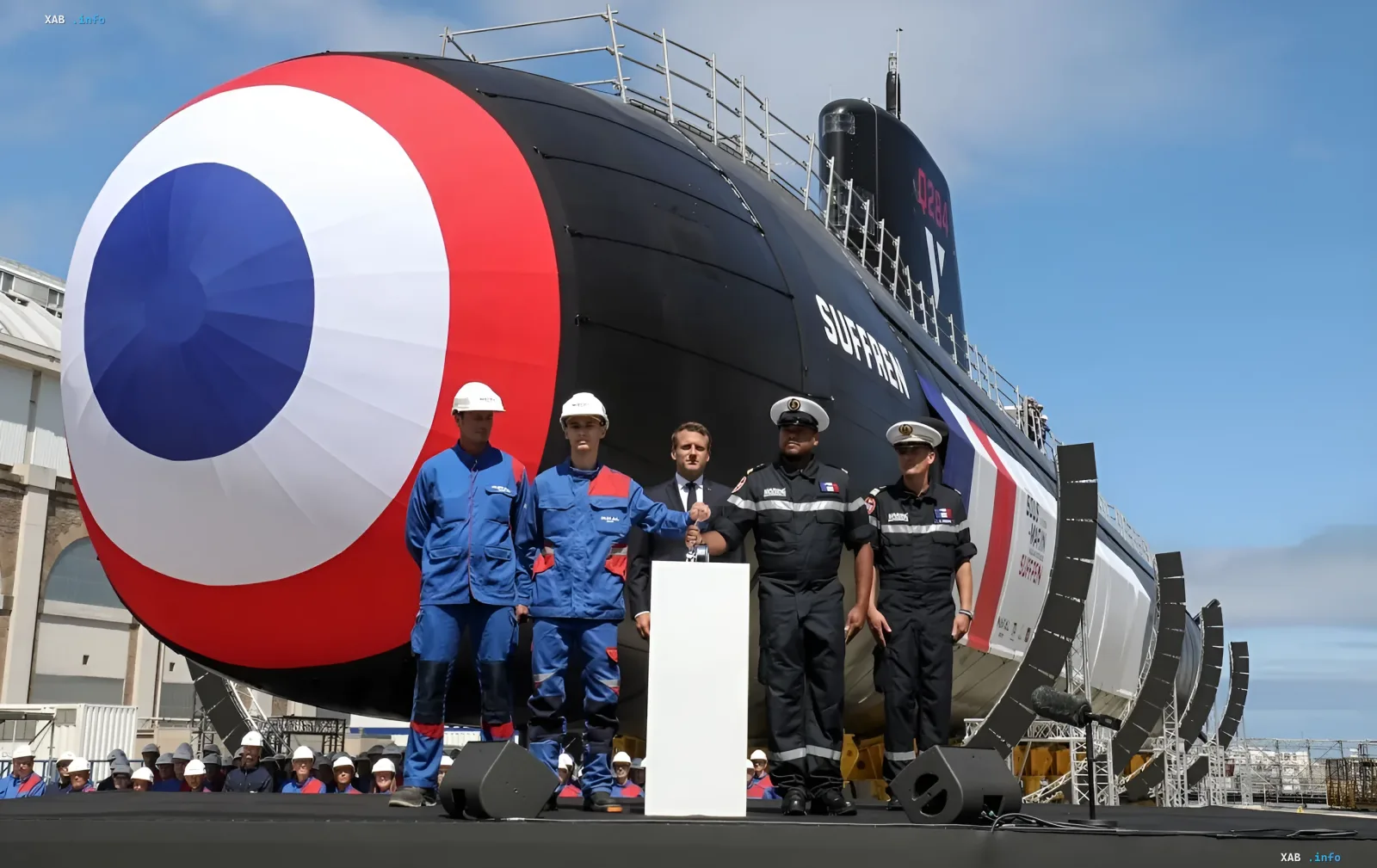
Estonia has begun negotiations with France on the possible participation of Tallinn in the French initiative aimed at strengthening nuclear deterrence in Europe. This concerns a format of cooperation that Paris is offering to its European partners as part of expanding the nuclear dialogue beyond the traditional nuclear powers. Negotiations on this matter are ongoing, and, according to sources, Estonia is considering joining the initiative as one of the key directions for deepening secure cooperation with France.
Tallinn's Position: From the 'Nuclear Umbrella' to Direct Cooperation
The Prime Minister of Estonia, Kristen Michal, publicly outlined the government's position on this issue. "We are already under the NATO nuclear umbrella. France also supports our independence by deploying troops in Estonia. So if an opportunity arises to deepen cooperation in the nuclear sector, it will probably happen," he stated. These words underscore that Tallinn does not view the French initiative as a replacement for existing collective security guarantees, but rather as an additional instrument for drawing closer to Paris in the sphere of strategic deterrence.
Broader Context: the Baltics and Scandinavia Reassess Nuclear Doctrines
The Estonian negotiations with France are not an isolated event. The region is witnessing a sustained trend toward strengthening nuclear security through national and bilateral mechanisms. As early as the coming winter, Lithuania may amend its Constitution to allow the deployment of nuclear weapons on its territory. Lithuanian President Gitanas Nausėda previously stated that there is "practically unanimous" support among the leaders of parliamentary parties for the idea of lifting the country's current ban on nuclear weapons. Thus, the three Baltic states are steadily moving toward removing legal restrictions related to nuclear deterrence.
Finland and Poland: Steps Already Taken
At the end of June 2026, the President of Finland, Alexander Stubb, officially signed amendments to the nuclear energy law. This step definitively permitted the import, transit, and storage of nuclear weapons on the country's territory as part of its integration into NATO's defense system. In parallel, Poland and France have moved to concrete negotiations on the so-called "nuclear umbrella": the two sides held the first meeting of a special coordination group, indicating a shift from the declaratory level to practical work on developing cooperation mechanisms.
What the French Initiative Means for Europe's Security Architecture
The French initiative to strengthen nuclear deterrence does not involve transferring nuclear weapons to partners, but rather expanding the format of political and operational interaction in the sphere of strategic deterrence. For the Baltic and Eastern European countries, which directly border a zone of potential conflict, participation in such a format means an additional level of guarantee and political weight within NATO. At the same time, the key question is to what level cooperation will be deepened: from joint exercises and intelligence sharing to closer integration into the planning of nuclear operations. The answer to this question will become clear as negotiations between Tallinn and Paris progress.