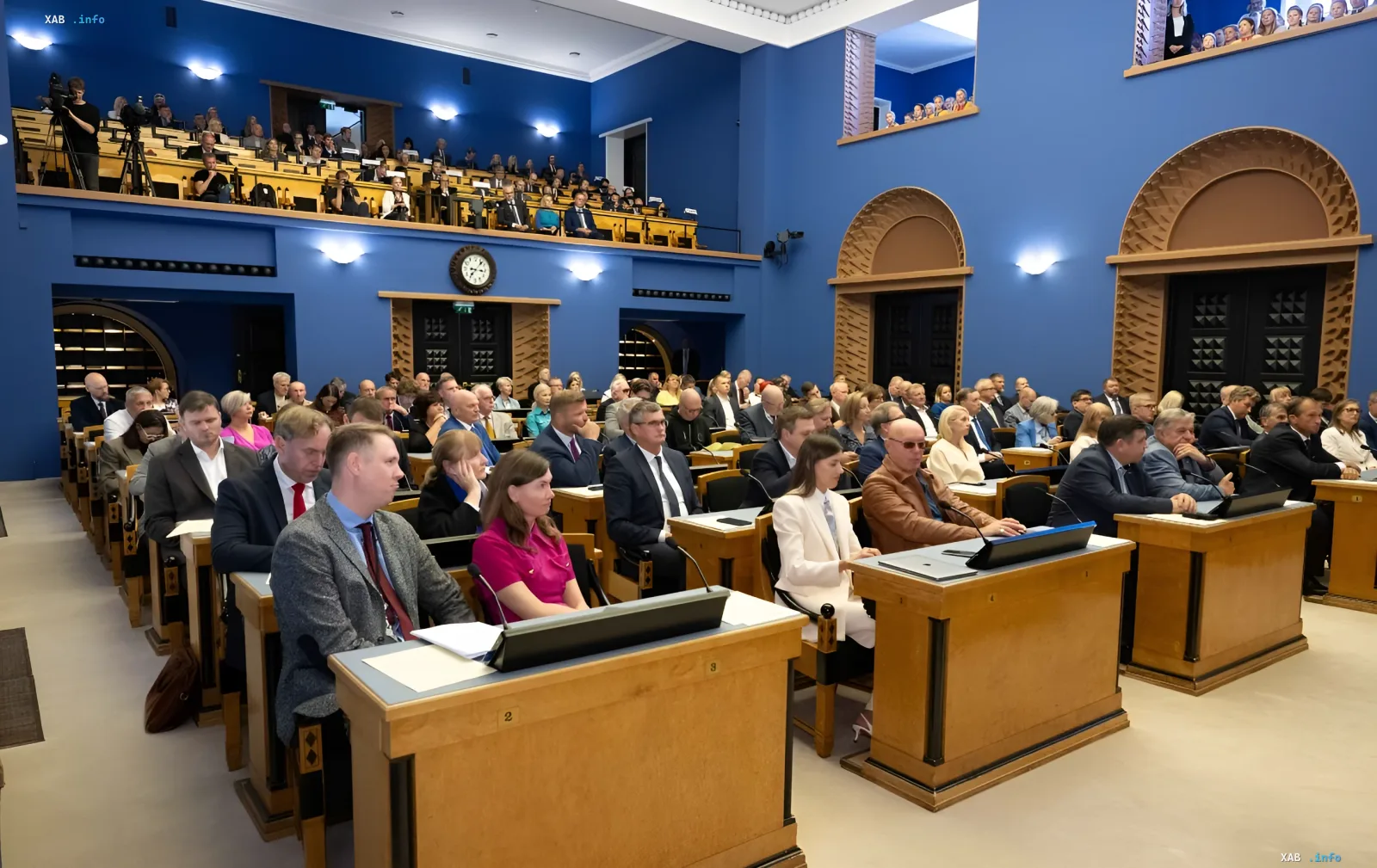
67 members of the Riigikogu submitted for parliamentary consideration a draft statement titled "For Ukraine's Victory and the Security of Europe." The document was handed to the parliament by Marco Mikkelson, chair of the Foreign Affairs Committee, on behalf of the authors. The relevant committee is to debate the draft and put it to a vote on 17 September 2026. The initiative calls for not one-off but long-term, systematic support for Kyiv in both the military and financial spheres, as well as increased pressure on Russia through economic and sanctions mechanisms.
The Financial Anchor: 0.25% of GDP Annually
The central point of the draft statement is a proposal to channel at least 0.25% of Estonia's gross domestic product to Ukraine each year. According to the document's authors, this would ensure the predictability and sustainability of the aid, independent of the current political climate. Notably, Estonia's current 2026 budget already provides for aid at the level of 0.25% of GDP, of which 110.7 million euros is allocated to military support. A significant portion of these funds, according to plans, will be directed toward orders within the Estonian defense industry, thereby supporting both Ukrainian and domestic defense production simultaneously.
The Military Block: Air Defense, Drones, and Winter Readiness
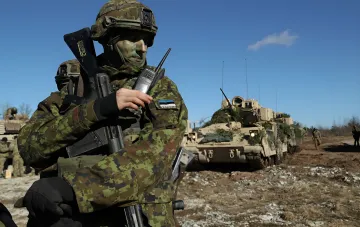
The military section of the project contains a number of specific proposals. The deputies call on allies to make the delivery of air defense systems and missiles to Ukraine a priority, ensure continuous supplies of military equipment, and prepare critical stockpiles ahead of the coming winter. A separate focus is placed on developing weapons production: Estonia proposes transferring the relevant technologies to Ukraine, expanding cooperation in the defense industry, and accelerating investment in the production of unmanned aerial vehicles and counter-drone systems. It is emphasized that drones and counter-drone systems have become one of the key factors on the modern battlefield.
Intelligence, Satellites, and Technological Partnership
The draft statement provides for strengthening support for Ukrainian intelligence, surveillance, and early-warning systems. As a specific mechanism, it proposes the exchange of satellite imagery between Estonia and Ukraine. The document's authors consider access to up-to-date space and intelligence information critically important for planning operations and protecting civilian infrastructure, especially amid ongoing massive strikes on energy and logistics.
Economic Pressure on Russia and Sanctions Discipline
The economic part of the initiative is aimed at intensifying pressure on Moscow. The deputies propose restricting Russia's access to critical technologies, reducing its revenues from energy exports, and ensuring more effective application of existing sanctions. The need to hold violators of the sanctions regime accountable is separately emphasized. The authors note that without a systematic reduction of Russia's economic potential, its military aggression will not be stopped.
Political Statements: From the State Duma to the Tribunal
The document separately condemns the holding of elections to the State Duma of Russia on 20 September 2026 in the temporarily occupied territories of Ukraine. The Riigikogu is proposed not to recognize the results of these elections or the resulting State Duma as a legitimate representative body. The project also reaffirms support for Ukraine's accession to the European Union and NATO, while the authors emphasize the importance of continuing reforms in Ukraine, strengthening democratic institutions, combating corruption, and protecting the rights of the opposition. A separate point confirms support for the establishment of a special international tribunal for the crime of aggression against Ukraine and for mechanisms to compensate the damage.
Context: The Nuclear Initiative and the Foreign Ministry's Position
Against the backdrop of the parliamentary initiative, it should be noted that Estonia intends to join France's nuclear initiative, which entails strengthening nuclear deterrence and expanding the corresponding cooperation with European partners. Estonia's Foreign Minister Margus Tsahkna previously stated that the threat to NATO will persist as long as Russia continues its aggression against Ukraine, and that partners must continue comprehensive support for Kyiv and increase pressure on Moscow. Thus, the parliamentary draft statement fits within Tallinn's broader strategy of multi-level support for Ukraine and the strengthening of collective security.