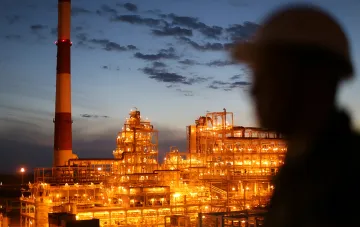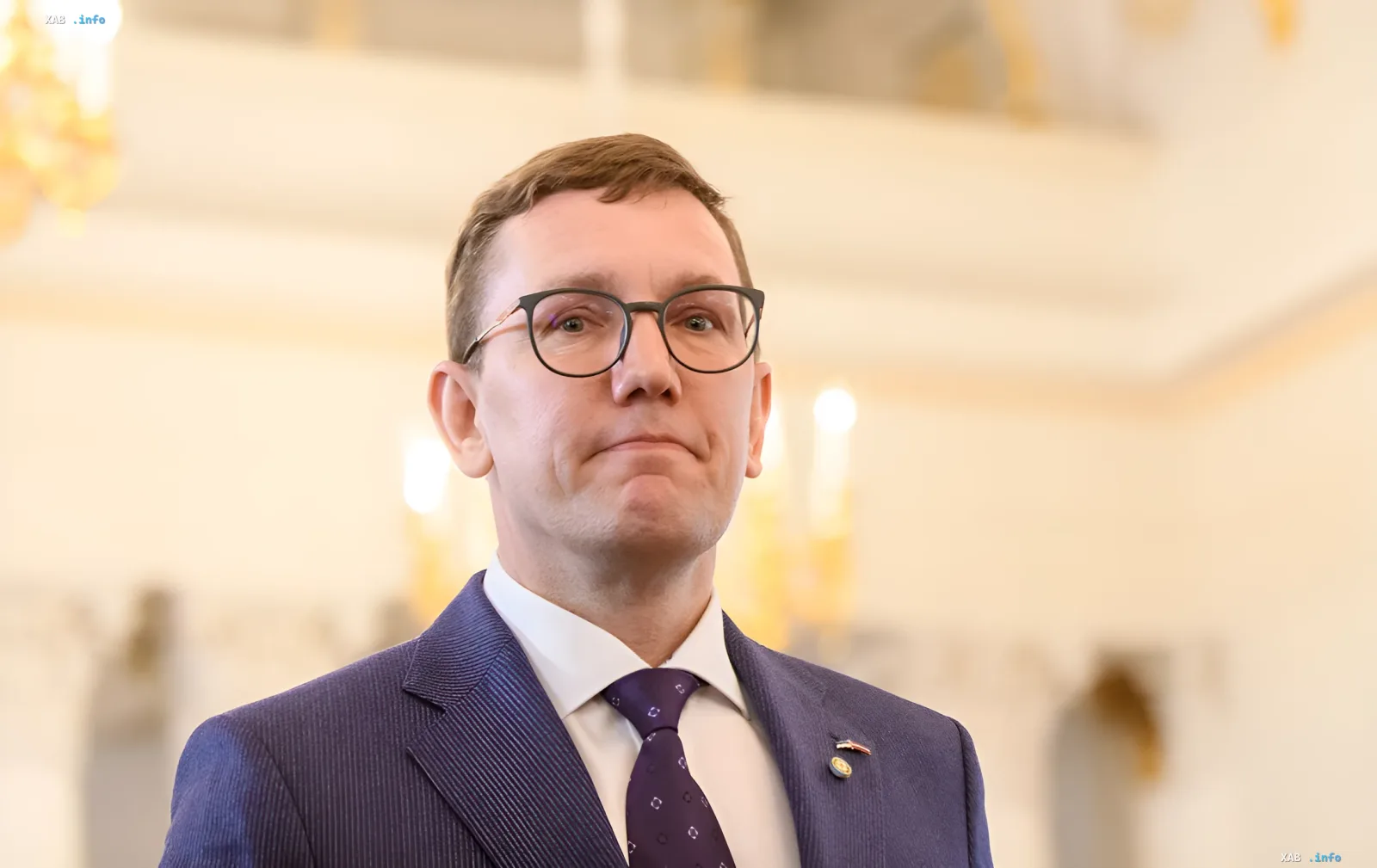
Estonian Prime Minister Kristen Michal has made a sharp statement, calling on the European Union to significantly increase military support for Ukraine. In his opinion, the West must provide Kyiv with all the necessary resources to turn Russian oil refineries into ruins.
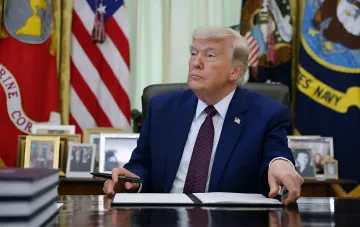
The reason for such harsh rhetoric was the decision by US President Donald Trump to ease sanctions against Russian diesel fuel supplies. The Estonian Prime Minister called this move a serious mistake that undermines years of Western efforts to cut the Kremlin's energy revenues.
Criticism of Washington Policy and Consequences for the Energy Market
In his address, Michal recalled that the United States itself previously actively urged allies to completely abandon purchases of Russian hydrocarbons. Agreements with dictators, according to the head of the Estonian government, inevitably lead to catastrophe, as the funds raised directly finance hostilities and the deaths of people.
Furthermore, analysts and politicians express doubts about the effectiveness of the easing itself, pointing to high risks of a shortage of expected fuel on the global market. Against the backdrop of these contradictions, Tallinn's position remains uncompromising: instead of compromises with the aggressor, it is necessary to strengthen Ukraine's military and technological potential.
Contradictory Data
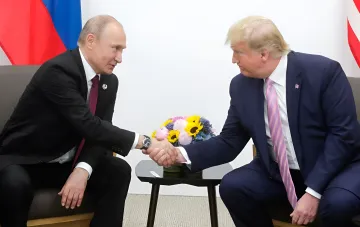
On the one hand, the Estonian Prime Minister and a number of European leaders insist on continuing and expanding strikes against Russian critical infrastructure to exhaust the Kremlin's war machine. On the other hand, on October 10, 2026, US President Donald Trump publicly demanded that the Ukrainian authorities immediately stop attacks on Russian refineries, trying to stabilize global energy markets and conclude new trade deals. At the same time, Germany announced its intention to maintain its own sanctions, and the US Senate accused the Washington administration of sponsoring terrorism due to the lifting of restrictions.
The expert community and diplomats continue to assess the risks of further escalation. It is obvious that the split in the positions of key Western allies creates serious challenges for a unified sanctions policy and the future strategy of supporting Ukraine in the protracted confrontation.