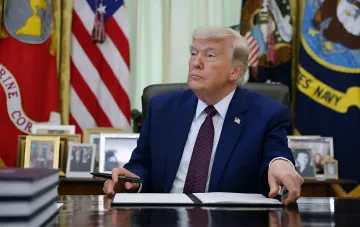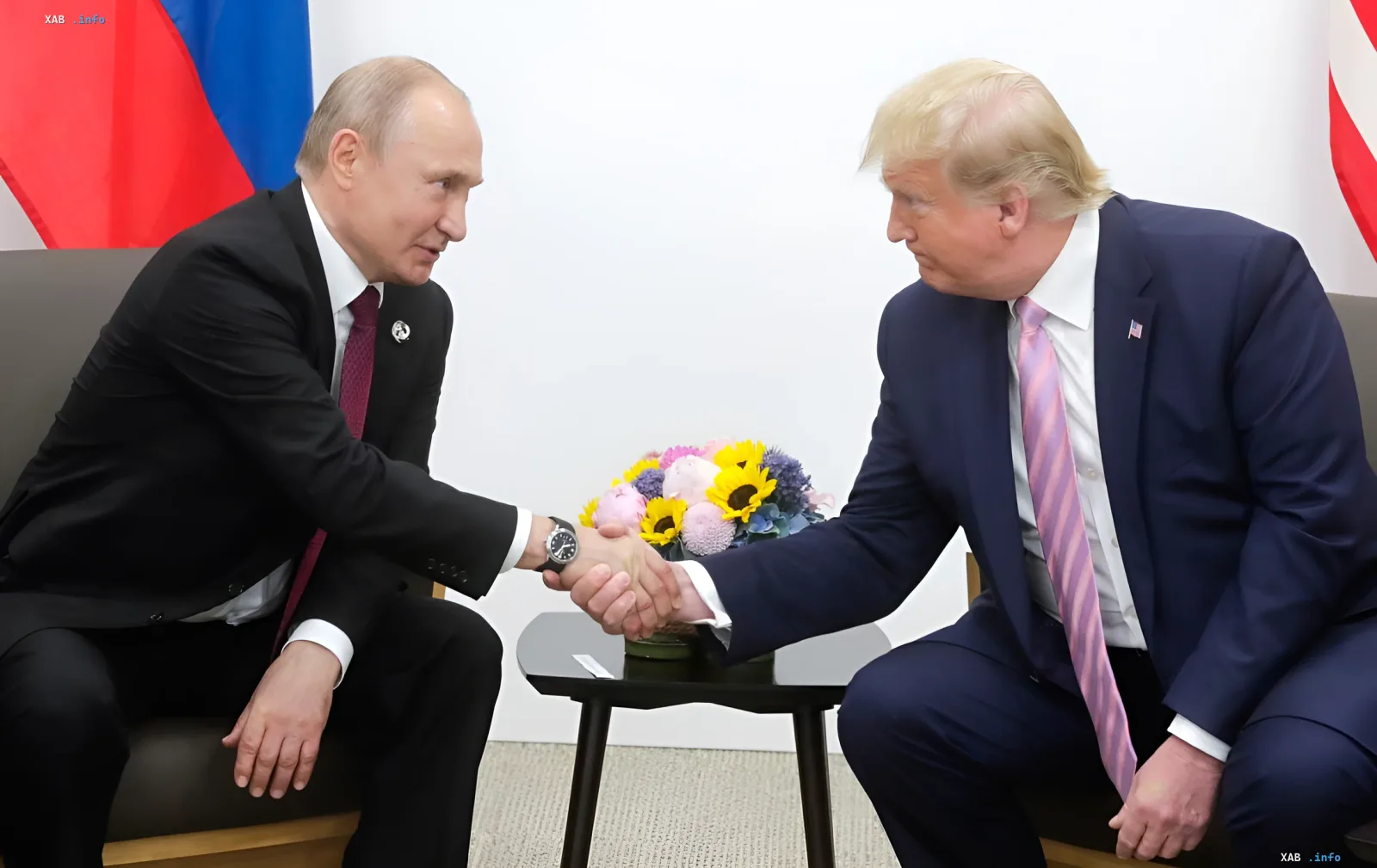
The United States has decided to allow the supply of Russian diesel fuel to global markets following a telephone conversation between US President Donald Trump and Russian leader Vladimir Putin. This move has caused a wide resonance in the international community and has become the subject of detailed analysis by leading expert institutions. According to analysts at the Institute for the Study of War (ISW), Washington took this step unilaterally without receiving any reciprocal concessions or commitments from Moscow regarding the settlement of the armed conflict in Ukraine.
Details of the Diesel Agreement and Supply Volumes
According to the announced information, the US Department of the Treasury, at the president's direction, issued a temporary general license exempting part of Russian fuel from current sanctions restrictions. Donald Trump stated that Russia will immediately supply more than 300,000 tons of diesel to the markets, with another 500,000 tons expected in November 2026, and eventually up to one million tons. Additionally, Russian oil refineries are capable of supplying up to three million tons of fuel in the short term, depending on their technical condition and logistical capabilities.
Economic Context and Ukraine's Reaction
It is worth noting that in 2025, Russia accounted for only 9.5% of global diesel exports, and on July 8, 2026, Moscow temporarily banned the export of petroleum products amid successful Ukrainian strikes on refineries and logistical routes. ISW experts emphasize that lifting the restrictions will bring Russia significant additional revenues that can be used to fund military operations against Ukraine. In turn, Ukrainian President Volodymyr Zelenskyy stated that Kyiv would support such a sanctions relief exclusively in exchange for a comprehensive energy truce for the upcoming winter period.
Political Analysis and Lack of Diplomatic Progress
The ISW analytical report focuses on the negotiating aspect of the reached agreement. According to experts, Washington's granting of permission for diesel exports is a unilateral concession that is not accompanied by any steps from the Kremlin toward the peace process. Responding to criticism, Donald Trump expressed confidence that the United States remains a strong partner of Ukraine despite the energy deal, yet the lack of diplomatic progress on the Ukrainian issue causes serious concern among allies.