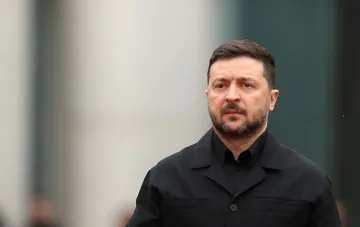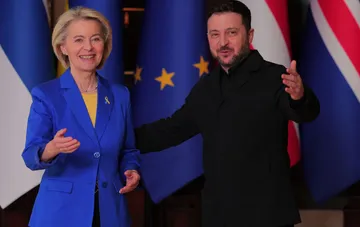
Ukrainian President Volodymyr Zelenskyy announced an agreement with European Commission President Ursula von der Leyen on the implementation of a special emergency assistance mechanism by the European Union. According to the head of state, the decision was made against the backdrop of an extremely difficult situation regarding electricity, water, and heat supplies in several regions of the country, caused by Russian strikes on energy infrastructure. EU and Ukrainian teams have already begun working on the prompt allocation of funds for priority needs.
Energy crisis: where the situation is most severe
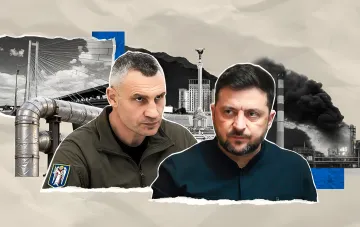
In his address, Zelenskyy listed the regions where the consequences of the strikes on the power grid are felt most acutely: Kyiv, Dnipropetrovsk, Sumy, Donetsk regions, and Kherson. It is in these locations, he said, that the issue of providing the population with electricity, water, and heat ahead of the winter period is most critical. Against the backdrop of these statements, Ukrenergo previously warned about the introduction of power outage schedules for November 9: capacity restrictions are provided for industrial consumers, and hourly outages for all other categories. On the night of November 9, Russia launched an attack with 317 drones, of which 105 were jet-powered; defense forces shot down or suppressed 276 devices, while hits were recorded in 31 locations.
Special EU mechanism: how it will work
According to Zelenskyy's statement, the agreement with von der Leyen involves utilizing a specific special emergency aid mechanism rather than standard funding channels. This, according to Kyiv's logic, will allow funds to be rapidly channeled to what is most critical in current conditions: the restoration of damaged energy facilities, the procurement of generation capacities, and ensuring livelihoods in the most affected communities. The president emphasized that working groups have already begun preparing documents and coordinating actions, which indicates the desire of both parties to speed up the process to the minimum possible timeframe.
Winter preparation and humanitarian track
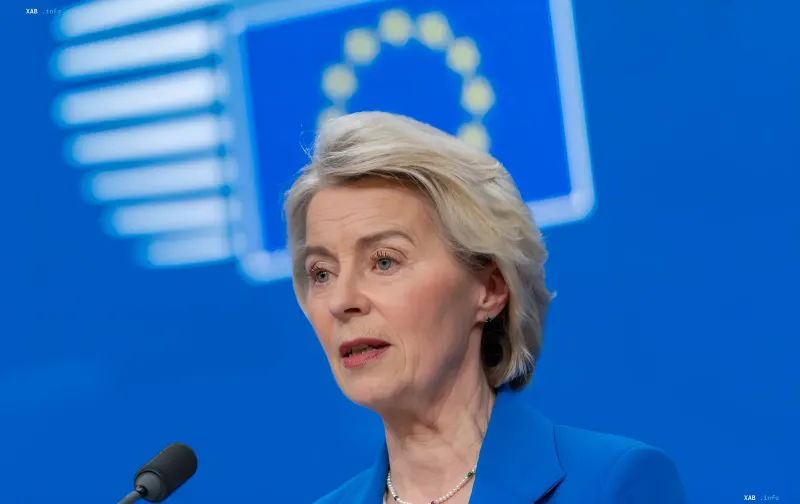
In addition to the emergency mechanism, Zelenskyy and von der Leyen's conversation discussed additional energy and humanitarian assistance aimed at preparing Ukraine for winter. The issue of providing the population with heat and electricity amid ongoing attacks on infrastructure remains one of Kyiv's top priorities for the coming months. Von der Leyen, in turn, confirmed the European Commission's readiness to assist in this direction, although specific volumes and timelines for the allocation of funds were not disclosed in the public statement.
European integration: enlargement report and "closing chapters"
A separate item of the conversation was the issue of European integration. Zelenskyy noted that this week the European Commission published its annual EU enlargement report, which positively assessed Ukraine's progress. The president emphasized the importance of opening all negotiation clusters and starting the procedure for closing chapters, which he said is a key stage on the path to membership. This statement resonates with Kyiv's general rhetoric on the need to accelerate integration processes amid the ongoing conflict.
Diplomatic tracks: Brussels and Abu Dhabi
In conclusion, Zelenskyy mentioned the diplomatic agenda. He reported that negotiations took place in Brussels a few days ago, during which Ukrainian teams worked on an update plan and security guarantees from Europe. In addition, the positions of Kyiv and Brussels were coordinated ahead of the meeting in Abu Dhabi, where, according to the president, a trilateral format is being discussed. Zelenskyy stated that Ukraine is doing everything necessary for this format to "deliver results," without disclosing details or participants in the negotiations.