The European Union's strategy for containing Russia may undergo fundamental changes. Insiders report that Brussels is ready to abandon the established practice of preparing large-scale sanctions packages, which has dominated over the past few years. The reason for this strategic review is internal disagreement: Greece blocked the adoption of the 21st package for several weeks, and a third of the bloc's member states have also put forward their own demands.
Why the 'Big Packages' Mechanism Failed
The process of approving restrictions has slowed down significantly, calling into question the very possibility of adopting new sanctions in the previous format. Anonymous sources claim that instead of preparing cumbersome documents, the EU may shift to promoting measures in small thematic groups.
This tactical shift in direction aims to solve the main consensus problem: reducing the risk that one country will block the entire package due to its own economic interests. It is quite likely that the 21st sanctions package against Russia, adopted last week, will be the last in this format.
"It is already obvious that this approach no longer works," said one insider, emphasizing the need to adapt diplomatic tools to the current political reality.
What Was Included in the 21st Package and Why It Became the 'Last'
On July 23, the EU Council nevertheless adopted new sanctions against the Russian Federation, which became the most extensive restrictions in the last four years. This package, which overcame internal barriers, included:
- 48 individuals;
- 170 organizations;
- Suspension of the automatic adjustment of the oil price cap mechanism.
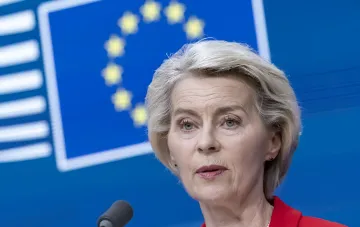
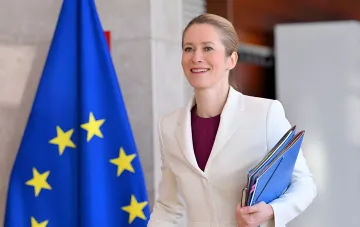
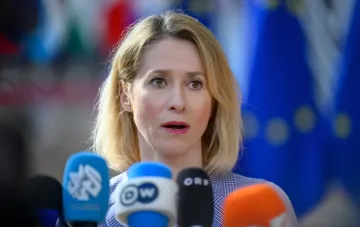
The head of European diplomacy, Kaja Kallas, has already explained exactly how the new restrictions will work, while European Commission President Ursula von der Leyen revealed one of the key trump cards of this package aimed at increasing pressure on the Russian economy.
Previously, RBK-Ukraine reported on the reasons why new sanctions could not be adopted for so long. Now that the political will of member states has collided with economic realities, Brussels is looking for new ways to implement its sanctions policy, abandoning total blockades in favor of targeted, thematic strikes.