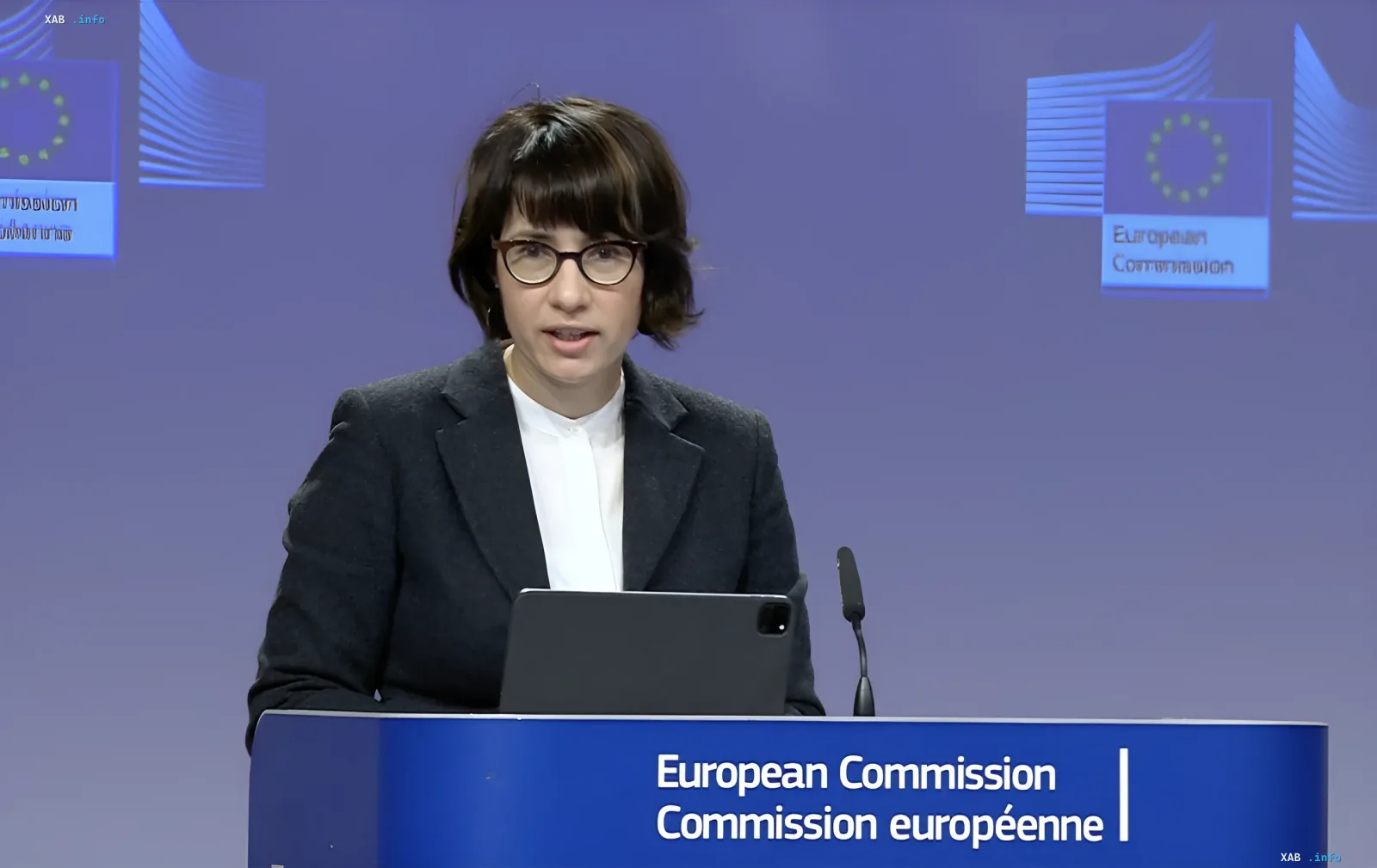
The European Union has reaffirmed its commitment to military support for Ukraine, despite statements suggesting a reduction in arms supply volumes. During an official briefing in Brussels, European Commission spokesperson Anita Hipper stated that the bloc will continue active efforts to coordinate the transfer of additional interceptor missiles to Kyiv.
Funding and new commitments
Anita Hipper emphasized that the EU High Representative for Foreign Affairs and Security Policy, Kaja Kallas, has already initiated negotiations with member states, urging them to provide Ukraine with more resources for air defense systems. To confirm financial support, Brussels cited specific figures: last week, Ukraine was allocated €3.47 billion under the defense component of a support credit mechanism totaling €90 billion.
Furthermore, the European Commission spokesperson announced the allocation of €1.4 billion from the windfall profits of frozen Russian assets. Part of these funds will be directed directly to additional military aid, demonstrating the EU's willingness to use economic tools to strengthen Kyiv's defense capabilities.
Response to Volodymyr Zelenskyy's statement
The European Commission's statement was a direct response to recent remarks by Ukrainian President Volodymyr Zelenskyy. The head of the Ukrainian state expressed serious concern that missile supplies for air defense systems from Western partners have significantly decreased. According to him, in the first half of 2026, the number of missiles transferred decreased threefold compared to the same period in 2025, even though Ukraine's allies still have weapon stocks.
Zelenskyy specifically noted that this refers not only to the summer period but to trends observed throughout the first half of the year. This statement caused a wide resonance and required European partners to officially clarify their current policy regarding military aid.
Strategic context and threats
The need to increase air defense missile supplies is dictated by the current operational situation. Earlier, an advisor to the President of Ukraine revealed data on how many ballistic missiles Russia can launch at Ukrainian territory monthly. In response to this threat, Kyiv declared its intention not only to defend itself but also to destroy Russian ballistic installations, which requires a sufficient number of interception means and intelligence data.
The situation is exacerbated by the fact that Ukraine has tasked its ambassadors in EU and NATO countries with actively monitoring the defense capabilities and weapon stocks of potential donors to ensure transparency and efficiency in the supply process.