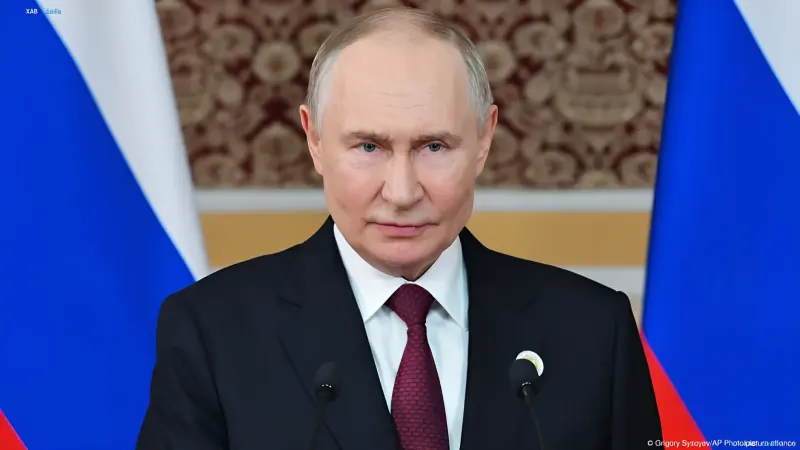
The European Union has expressed regret that Tajikistan failed to fulfill its obligations under the Rome Statute of the International Criminal Court and once again hosted Russian President Vladimir Putin during his visit on November 19–20, despite an active arrest warrant against him. This was stated in a declaration by the European External Action Service (EEAS) published on Sunday, November 22. Brussels emphasized that crimes falling under the Rome Statute and "threatening the peace, security, and well-being of the world" must not go unpunished.
Call for Execution of Warrants
In the statement, the EU called on all states to ensure full cooperation with the International Criminal Court, including through the prompt execution of arrest warrants, and to conclude voluntary agreements with the court. The European Union declared its "unwavering support for the ICC" as well as for the independence, sovereignty, and territorial integrity of Ukraine within its internationally recognized borders. Brussels also underscored its commitment to ensuring accountability for international crimes and human rights violations stemming, in its assessment, from Russia's war of aggression against Ukraine, as well as upholding victims' rights to justice and reparations.
Context of the Visit
According to the Kremlin press service, Vladimir Putin arrived on a working visit to Tajikistan following the Asia-Pacific Economic Cooperation (APEC) summit. As reported by Asia-Plus, the topics of discussion included the activities of the 201st Russian military base, the situation on the Tajik-Afghan border, labor migration issues, and investment cooperation. The visit took place against the backdrop of Tajikistan being a state party to the Rome Statute, which, according to the EU, obligates it to cooperate with the ICC in accordance with its assumed obligations.
Previous Precedents
This is not Brussels' first appeal to Dushanbe on this matter. In October 2025, the European Union already criticized Tajikistan for failing to fulfill obligations related to the ICC arrest warrant for the Russian president. At that time, ahead of Putin's visit to participate in the "Central Asia - Russia" summit and a meeting of the CIS Council of Heads of State, the international human rights organization Human Rights Watch urged Tajik authorities to deny the politician entry or arrest him upon arrival. A similar precedent was recorded in September 2024, when Putin visited Mongolia—a state that ratified the Rome Statute—while the country's authorities reportedly took no steps to execute the arrest warrant.
History of the ICC Warrant
The arrest warrant for Vladimir Putin was issued by the International Criminal Court in March 2023. The Russian president is suspected of the unlawful deportation and unlawful transfer of children from occupied territories of Ukraine. At the same time, an arrest warrant was also issued for Russia's Children's Rights Commissioner Maria Lvova-Belova. Since then, the issue of executing the warrant remains contentious at the intersection of international criminal law and the practices of Rome Statute state parties, which, as the EU notes, are obligated to cooperate with the court.