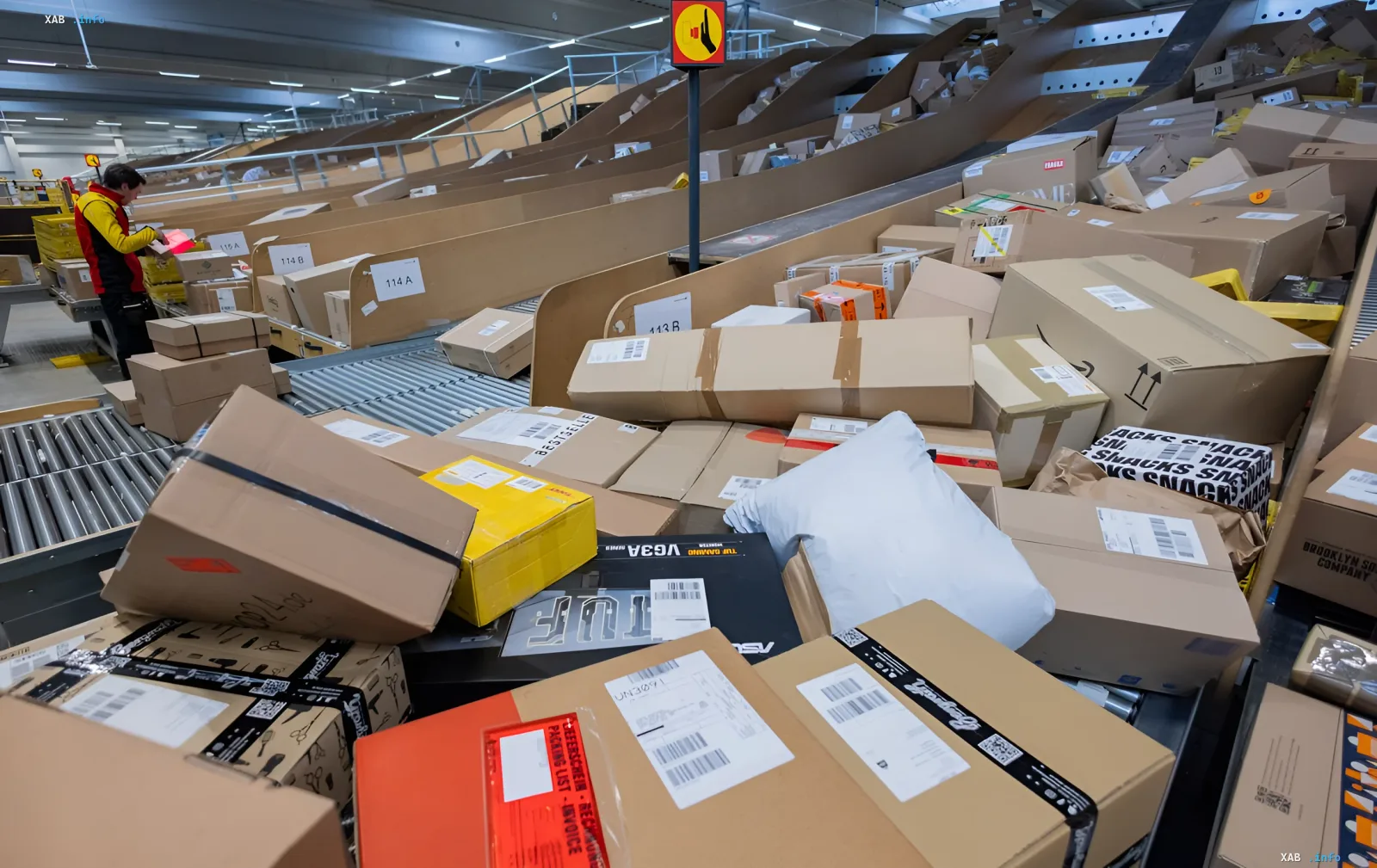
On 1 July 2026, a new customs measure came into force in the European Union, imposing for the first time an import duty on parcels worth up to €150 — such shipments had previously been duty-free. The rate is set at €3 and, according to European authorities, is a transitional solution agreed by the member states. The mechanism is aimed at countering the influx of cheap, and sometimes potentially hazardous, goods from China and other third countries that for years had been reaching EU consumers directly, bypassing standard customs procedures.
What the French customs data showed
The first results of the new policy were announced by the French Ministry of Economy. According to customs authorities, after the rules took effect in July, the flow of cheap parcels fell by 30–40%. The French government interprets this as evidence that customs regulation can influence the behaviour of major trading platforms, including Chinese ones. Importantly, this refers specifically to the volume of goods crossing the border, not to the revenue of marketplaces — this methodological distinction will be key when examining the figures below.
How Temu, AliExpress and Shein reacted
The sales dynamics of the platforms over the June–July period were uneven. Temu's sales volumes fell by roughly 50%, AliExpress by 37%. Shein's figures proved noticeably more resilient: the decline was around 15%. One factor cited for the smaller drop is the planned opening of the company's new warehouse in Poland, which allows part of the logistics to be moved inside the EU and softens the effect of the new duty on certain product categories.
Contradictory data
Here it is worth honestly addressing the discrepancy in the figures. The official assessment by the French government speaks of a 30–40% reduction in the flow, while individual platforms show declines ranging from 15% to 50%. These indicators are not identical: the first reflects the physical volume of parcels at customs, the others — the sales dynamics of specific marketplaces, which are also affected by seasonality and logistics decisions (such as Shein's warehouse in Poland). Moreover, the €3 rate is not the final control model: Brussels explicitly states that this is a temporary mechanism, not the final architecture of customs regulation. Therefore, conclusions about the measure's "complete success" are premature for now, just as are claims of its ineffectiveness.
Product safety and the scale of the problem
The scale of the phenomenon the EU is responding to is indeed large: in 2025 alone, 5.9 billion low-value goods entered the European Union, corresponding to more than 16 million parcels per day. Brussels believes that this model created an unfair advantage for foreign platforms over European retailers, who are obliged to comply with local rules and pay customs duties. A further argument has been safety concerns: according to a 2025 survey, more than 60% of the low-value goods checked did not meet European requirements and safety standards. The new rules are intended not only to add charges but also to give customs authorities tools for more effective control of the flow and identification of risky products.
The 2028 horizon and the Ukrainian context
The full system will come into operation later: from July 2028, the EU Customs Data Hub is due to start functioning. After its launch, ordinary customs duties are planned to be applied based on the tariff classification of the goods, their origin and value, in accordance with standard EU rules on customs charges. Thus, the current €3 is merely a bridge to full regulation. In parallel, Ukraine is also developing the issue of cheap parcels: a committee of the Verkhovna Rada supported the taxation of parcels for the third time, and the finance minister assured that the final price of goods will not automatically rise by exactly 20%. However, the bill still has to go through parliamentary consideration, and the committee's decision is recommendatory rather than final.