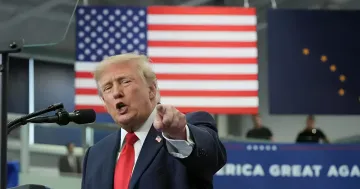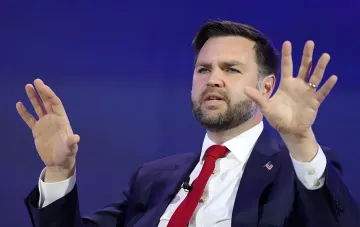
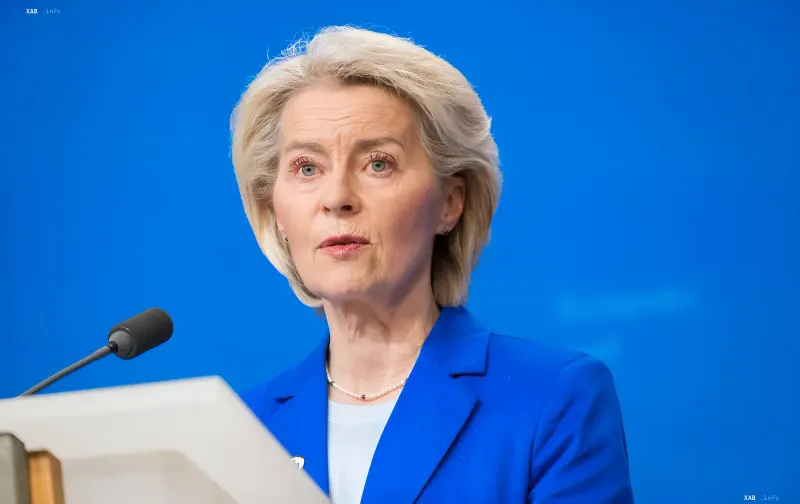
European Commission President Ursula von der Leyen, during a two-day visit to Greenland, announced the European Union's intention to significantly increase investments in the Danish territory and strengthen political ties with it. Arriving on Sunday in the island's capital, the EC head stated that the prepared package of measures would be "substantial," although no specific amounts or timelines were given. The visit is demonstrative in nature: it is meant to show support for the governments of Greenland and Denmark, which have firmly rejected US President Donald Trump's campaign, viewing the world's largest island as a potential American territory.
The Economic Component: Resources, Connectivity, and Energy
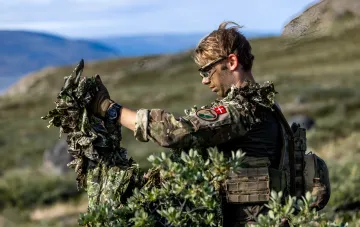
According to available information, the European package will focus on several strategic sectors — the extraction of critical raw materials, the development of satellite communications, and the construction of renewable energy infrastructure. The choice of areas is no accident: Greenland holds significant reserves of rare earths and other minerals needed for the EU's high-tech industries, and its Arctic location makes the island a key node in matters of security and telecommunications. Thus, Brussels is trying to turn Washington's geopolitical pressure into a long-term economic and infrastructure project linking Greenland to the European market.
The Position of Nuuk and Copenhagen
Greenland's Prime Minister Jens-Frederik Nielsen, commenting on the visit, emphasized that the island wants to strengthen "close friendship and good partnership" with the European Union. This statement marks the autonomy's course toward diversifying its ties and reducing dependence on a single external player. For Denmark, within which Greenland exists as an autonomous entity, Brussels' support becomes an additional argument in the standoff with Washington: European investments and political rapprochement strengthen the positions of Copenhagen and Nuuk without the need for direct military or diplomatic conflict with the US.
The Broader Context: the EU and Reassessing Its Reliance on Washington
The decision on Greenland fits into a broader trend previously outlined by EU leaders themselves: the need to make alliances and defense architectures "more European" in order to reduce dependence on the US. Von der Leyen's visit can be seen as a practical continuation of this logic — through economic and infrastructure commitments, Brussels is cementing its presence in the Arctic, where European and US interests are intersecting ever more sharply. For Washington, this is a signal that Greenland is not an isolated asset but is embedded in the European system of investment and security.
Contradictory Data
At the time of publication, the key parameters of the package — the exact volumes of financing, the sources of funds, and the implementation schedule — have not been officially disclosed: von der Leyen limited herself to the assessment that the measures would be "substantial." At the same time, two incompatible positions on the island's status coexist in the public sphere: the US administration publicly considers Greenland a potential American territory, while Denmark and Greenland reject any claims to annexation. So far, neither side has presented documentary grounds for its claims, and the European side has not announced figures, so both versions remain statements rather than confirmed facts, requiring further verification as details of the package are published.