Against the backdrop of ongoing Russian strikes on Ukrainian infrastructure, the question of supplying Kyiv with air defense systems has once again come to the forefront of the diplomatic agenda. According to Bloomberg, European leaders plan this week, during their visits to the UN General Assembly session in New York, to directly appeal to US President Donald Trump, asking him to transfer additional interceptor missiles for Ukraine's Patriot air defense systems. The initiative is a logical follow-up to Kyiv's public statements about a critical shortage of interceptors ahead of the winter period, when the load on the air defense system traditionally increases.
Pressure in New York
The choice of venue is no accident: the UN General Assembly in New York brings heads of state and government together in one place, allowing European leaders to organize a series of bilateral and multilateral contacts with the American side in a short timeframe. As Ukrainian media report, citing Bloomberg, it is within the framework of these meetings that Brussels intends to "push forward" the stalled decision on interceptor deliveries, turning it from a technical issue into a matter of political pressure. In parallel, EU leaders plan to seek financial support for Ukraine from other allies, primarily the United Kingdom and Japan, to reduce the burden on the US budget and make the aid package more sustainable.
Kyiv's Position: At Least 300 Interceptors
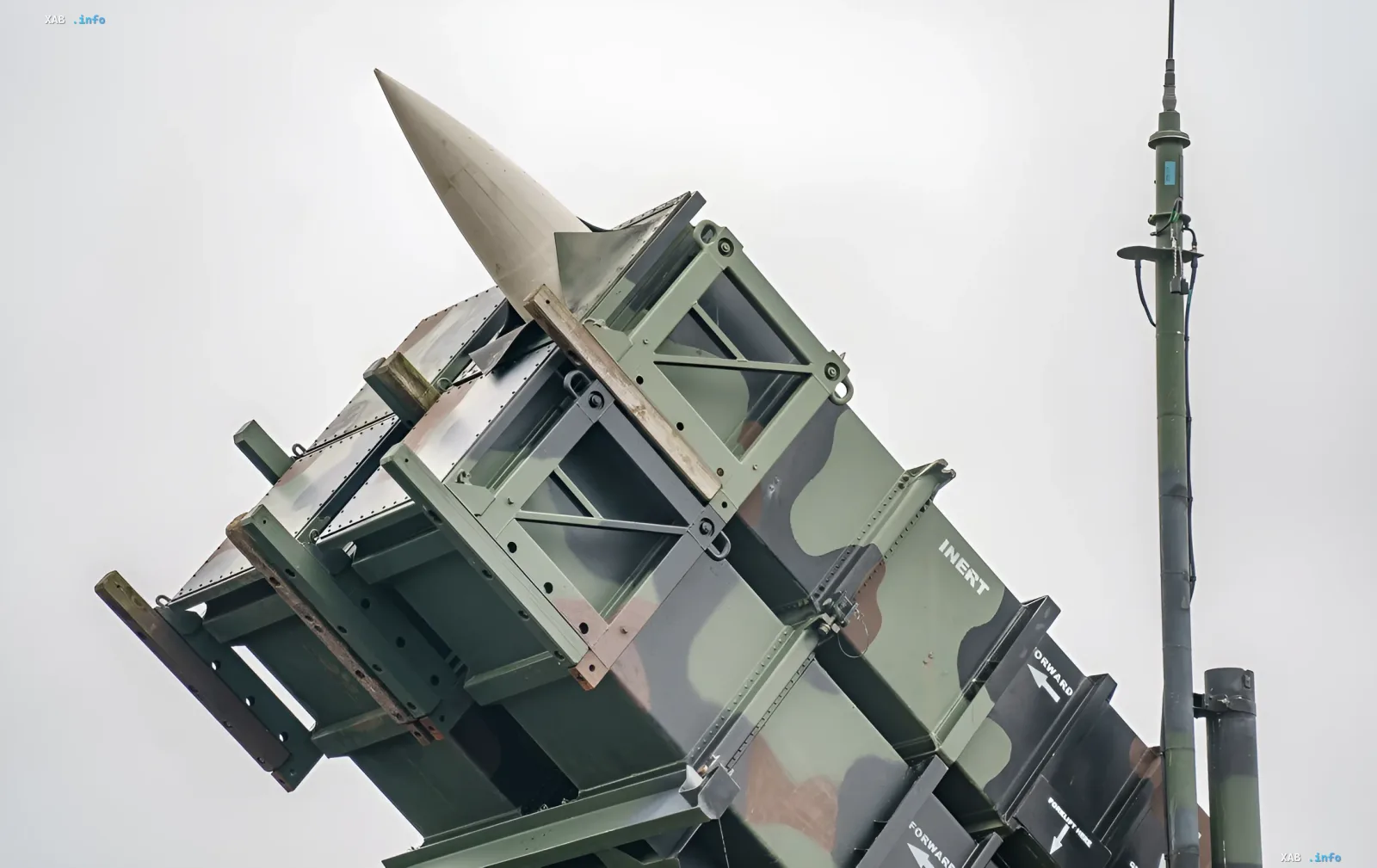
The basis for the European demands was formulated by Kyiv itself back in August. Ukrainian President Volodymyr Zelenskyy, in a conversation with journalists, stated that the country needs at least 300 Patriot interceptor missiles to get through winter, and proposed that Washington sell Ukraine 5 to 10 percent of the munitions in its reserves. This figure has become a benchmark for further negotiations: European capitals have effectively taken on the role of intermediaries who must convey the scale of the need to the American leadership and justify the release of a portion of strategic reserves. In the photographs accompanying the publication on the topic, a Patriot launch system is visible with an inert (training) missile, clearly illustrating the type of system for which the ammunition is needed.
Financial Support and the SAFE Program
The missile issue is closely tied to the broader financial architecture of aid. As RBC-Ukraine previously reported, EU Commissioner for Economic Affairs Valdis Dombrovskis called on international partners to accelerate the provision of financial support to Ukraine precisely ahead of winter. Brussels, according to available data, is exploring the possibility of directing 10 billion euros from the SAFE program to joint defense projects with Ukraine, and has already decided to allocate 3.3 billion euros directly for the purchase of missiles and unmanned aerial vehicles for the Defense Forces. Thus, the appeal to Trump in New York fits into an already launched mechanism: European funds cover part of the purchases, while American interceptors are meant to fill the most scarce segment.
What This Means for Winter
The practical significance of the initiative lies not so much in a symbolic gesture as in an attempt to synchronize three streams: American munitions, European financing, and additional contributions from third countries. If lobbying at the UN session yields results, Kyiv will receive both interceptors and a guaranteed channel for replenishing them; if not, the winter shortage will remain an open risk for civilian infrastructure. At this point, the matter concerns plans and statements rather than signed contracts, so the outcome will only become known after the New York contacts are concluded.