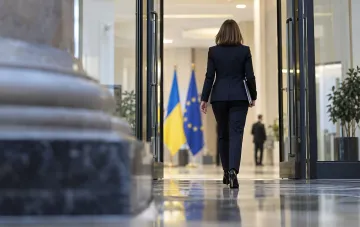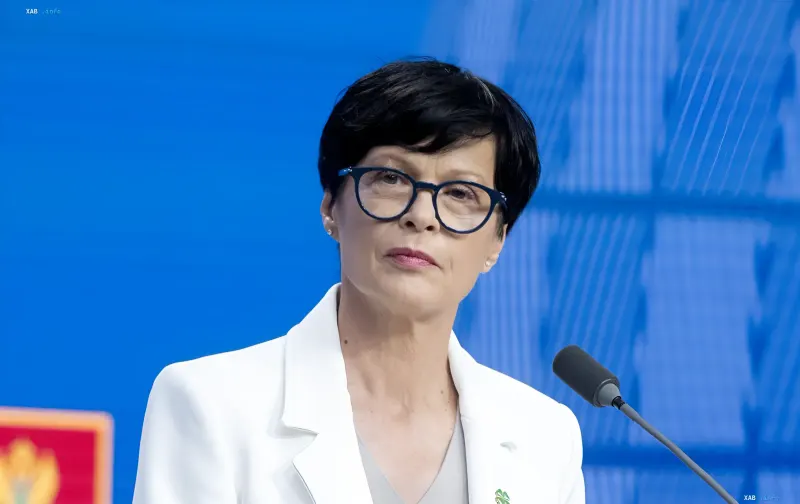
The European Union is considering a proposal to restrict support and internal market access for a portion of Ukraine's agricultural products following the country's official accession to the bloc. This initiative is driven by serious concerns expressed by several current EU member states regarding the colossal scale of Ukraine's agricultural sector. Marta Коs, the EU Commissioner for Enlargement, outlined these plans in statements reported by the influential Bloomberg agency.
The Uniqueness of Ukraine's Agricultural Sector
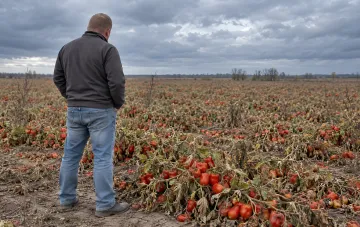
The scale and specifics of Ukraine's agriculture are unparalleled in Europe. The country owns approximately 41 million hectares of highly productive agricultural land, significantly exceeding the figures of any other European Union member state. This sector traditionally accounts for about 20% of the nation's gross domestic product and generates the lion's share of its export revenues. It is precisely this factor that alarms traditional EU agricultural heavyweights such as Poland and France.
During discussions, EU commissioners emphasized that the unique structure of Ukraine's agricultural sector requires the development of special preventive mechanisms. Commissioner Marta Kos noted that Brussels proposes introducing targeted arrangements that will limit financial support and direct market access exclusively for certain types of Ukrainian agricultural products rather than the entire spectrum of goods. Such measures are designed to balance the overall economic burden on the pan-European budget.
Member States' Position and the Budgetary Issue
Since the beginning of the full-scale Russian aggression in 2022, Ukraine's political integration has become an absolute priority for Brussels. Nevertheless, the financial and economic aspects of future enlargement are sparking increasing debate. Many European capitals fear that integrating such a massive and relatively low-cost agricultural market will make Ukraine the primary recipient of funds from the common EU budget, particularly under the Common Agricultural Policy (CAP).
There is a serious risk that farmers from Poland, France, and other community countries will face intense competition that they may consider unfair. The issue of subsidy distribution and the restriction of benefits will be the subject of difficult and prolonged negotiations between Kyiv and European institutions. At the same time, EU officials have repeatedly stressed that Ukraine will undergo integration on general terms, without receiving any unjustified privileges, but backed by clear roadmaps.
Contradictory Data
Discussions persist within the expert community and Western media regarding the exact format and timeline for introducing restrictive measures. While official statements from European commissioners indicate the need for a preliminary settlement of the agricultural issue through special agreements prior to the completion of accession, certain analytical pieces in the European press suggest that strict quotas could be applied as transitional periods post-integration. Furthermore, sources diverge on estimates regarding which specific product categories will fall under primary restrictions, such as grains, poultry, or livestock products.