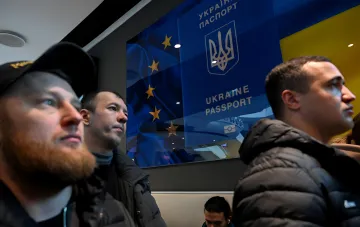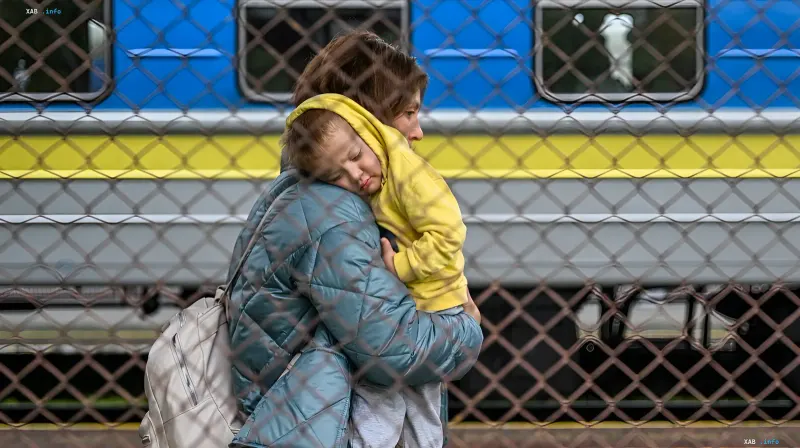
On Wednesday, July 15, a key meeting of the EU Committee of Permanent Representatives (Coreper) will take place in Brussels, with the fate of hundreds of thousands of Ukrainian citizens on the agenda. Diplomats and officials of the European Union are discussing the extension of the Temporary Protection Directive for Ukrainians fleeing the war for another year.
Deadlines and decision-making procedure
According to information obtained by the publication "European Truth" from diplomatic sources, the goal of the current negotiations is to reach a principled agreement to extend the protection status until March 4, 2028. The process has already been launched: if no member state raises serious objections, the technical work to amend the directive will be completed quickly.
After the necessary documents are prepared, the issue will return to Coreper for final approval. In this case, the procedure will pass without additional debates, indicating the readiness of partner countries to support the initiative. It is expected that the final decision will be made in July 2026, although in the event of delays, the process could be extended until September.
Changing criteria: an exception for draft dodgers
An important aspect of the new proposal by the European Commission, announced on June 26, is the tightening of the criteria for obtaining status. For the first time, the directive stipulates an exception: temporary protection will not be granted to Ukrainians who evade service in the Armed Forces of Ukraine.
This decision reflects the evolution of Brussels' approach to the issue of migration and security. The EU seeks to maintain a humanitarian corridor for those who truly need asylum, while preventing the use of refugee status to avoid military service. Thus, European authorities are trying to find a balance between supporting Ukraine and complying with their own legal norms.
What this means for Ukrainians in Europe
Extending the directive until 2028 will provide stability for millions of Ukrainians already living in EU countries. They will be able to continue their legal stay, access social services, education, and the labor market without the risk of deportation. However, the new rules will require each applicant to confirm their status and the absence of evasion of mobilization.
The Coreper decision will be an important signal for the entire Ukrainian diaspora: Europe is ready to support its allies, but only on the condition of meeting certain requirements. This is not just a bureaucratic procedure — it is a matter of trust, security, and long-term integration.