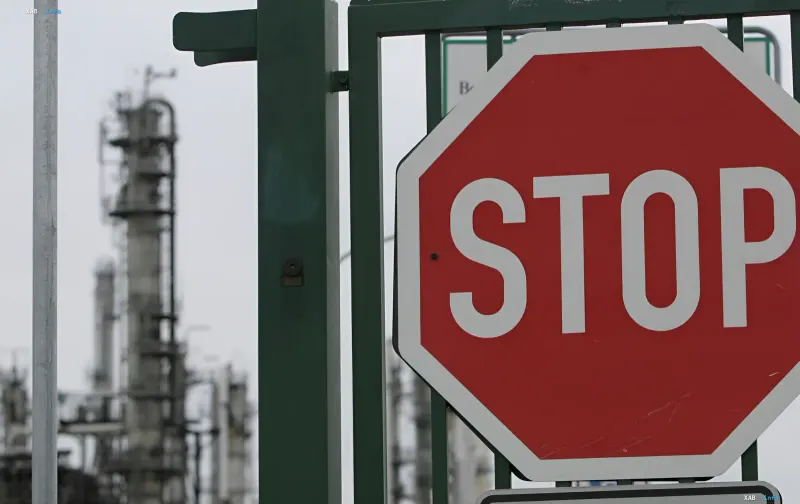
The European Union has taken an unprecedented step by adding the Georgian oil refinery 'Pule' to a new sanctions list. This is the first decision of its kind targeting a major commercial entity within Georgian territory. Brussels has imposed a ban on financial transactions with the enterprise; however, the restrictions will not take effect immediately but will come into force after six months.
Reason for the decision: Russian raw materials
The decision was made as part of the EU's 21st sanctions package, approved by the EU Council on July 23. As noted by the EU High Representative for Foreign Affairs, Kaja Kallas, this package is the largest in the last four years, covering 218 new items. The inclusion of 'Pule' in the list is a reaction to the supply of Russian oil, which, according to Reuters, the plant began receiving as early as last autumn from the company 'Russneft'.
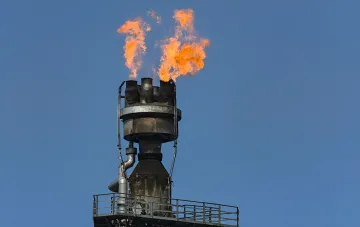
The oil refinery, located on the western coast of Georgia, began operations in October 2025 with a design capacity of 1.2 million tons per year. The CREA analytical center recorded that since its launch until May 2026, the enterprise received six shipments of Russian raw materials. During this same period, petroleum products produced at the plant were exported to European Union countries, including Spain and Bulgaria.
Reaction from Tbilisi and the plant owner
The Georgian Ministry of Foreign Affairs expressed concern over the imposition of sanctions but reaffirmed its commitment to cooperation with Brussels. The ministry stated that the country is taking all necessary measures to prevent its territory from being used to bypass international restrictions and is ready to provide the EU with any necessary information.
Meanwhile, the plant owner, Black Sea Petroleum, has not yet commented on the EU's decision. However, earlier this month, the company announced plans to change its logistics: already in August-September, the plant will cease processing Russian oil and switch to raw materials from Turkmenistan and Kazakhstan.
Chance to lift sanctions
Representatives of the European Union have indicated that the decision is not irreversible. A senior EU official noted that negotiations with the company are ongoing. If 'Pule' fulfills its obligations and truly renounces Russian supplies, Brussels is prepared to propose to member states that the plant be removed from the sanctions list.
"We will give them a little trust, but we want to make sure they keep their promises. After that, we can propose to the Council to remove them from the list," the EU representative emphasized.
The economic scale of the plant's operations is impressive: according to CREA estimates, from February 2023 to February 2026, EU and US countries imported more than 1.46 million tons of petroleum products worth 811 million euros from the port of Pulevi. Now, the fate of these flows depends on how quickly and honestly the company fulfills its promises to its European partners.