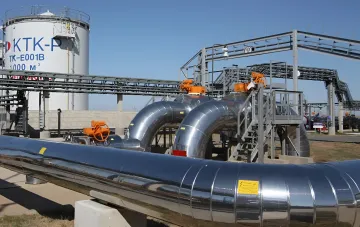
In the Georgian port city of Kulevi, a large-scale logistical operation is unfolding, reshaping the regional energy market. Black Sea Petroleum LLC (BSP), which manages the country's largest local oil refinery, has officially announced a change in raw material suppliers. This move is part of a strategic plan to completely phase out Russian oil.
Start of Kazakh Crude Processing
According to data published on the operator's official website, the Kulevi Refinery has begun processing oil of Kazakh origin. The first batches of raw materials arrived at the plant in early July. The remainder of this batch will be fully processed by August.
This step serves as the first practical confirmation of the company's previously stated intentions. On July 1, BSP announced its goal to fully switch to processing non-Russian oil by August-September 2026.
Libyan Oil and Long-Term Contracts
Diversification is not limited to Kazakhstan. The next major phase will involve the supply of raw materials from Libya. The company reported signing an agreement with an international trader on July 3, 2026. According to the contract terms, a tanker carrying Libyan oil is scheduled to arrive at the Port of Kulevi between August 20 and 30.
The agreement is valid until the end of 2027 and includes provisions for extension. This indicates BSP's intention to establish long-term logistical chains independent of traditional suppliers.
Dialogue with the European Commission
The company's statement emphasizes the importance of interaction with international regulators. BSP intends to maintain a constructive dialogue with the European Commission and provide clear, verified evidence of progress in reducing dependence on Russian hydrocarbons.
"We will continue to implement our raw material diversification plan and provide transparent reporting," noted the operator's press service.
Context: Issues at Russian Refineries
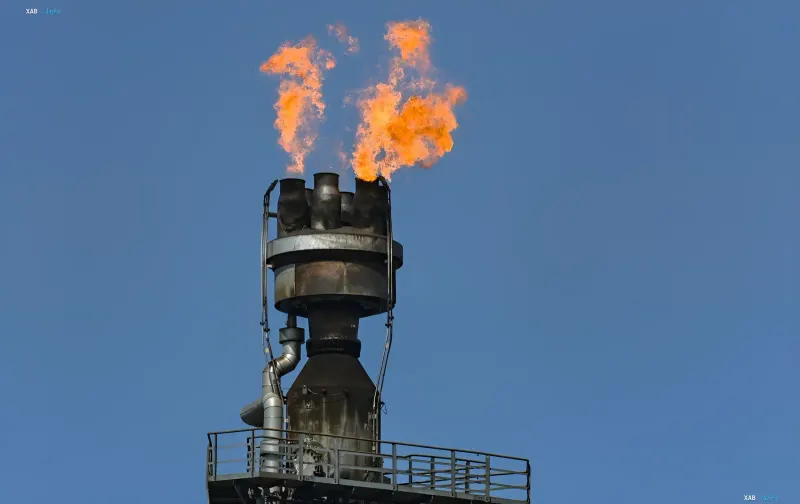
Events in Georgia are unfolding against the backdrop of a difficult situation in the Russian oil refining sector. The Ryazan Refinery, one of the largest in Russia, suspended operations following a drone attack. According to Reuters sources, the facility stopped on July 29. Restoring technological units and reconfiguring equipment could take about two weeks. This creates additional challenges for Russian suppliers attempting to find alternative markets.