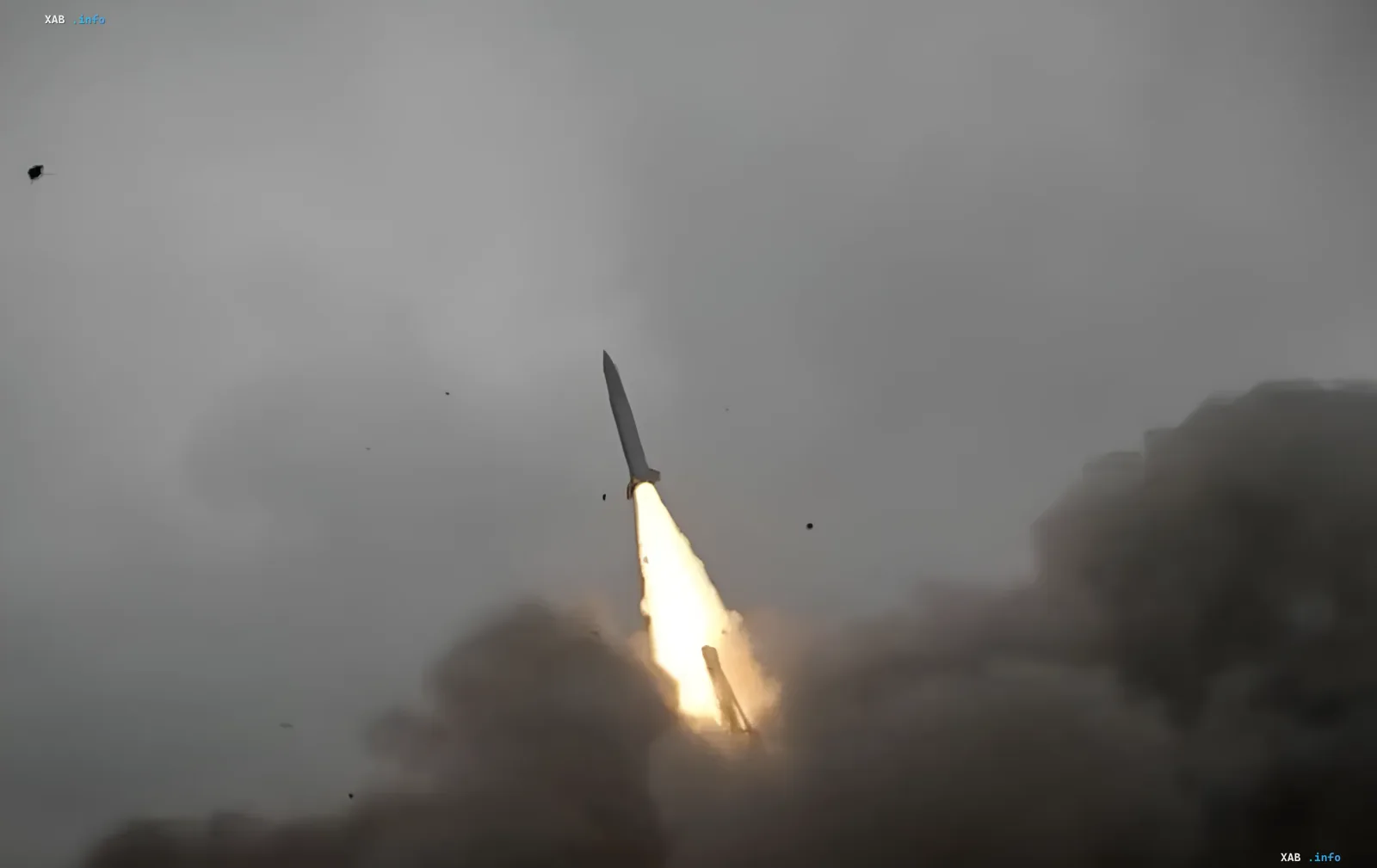
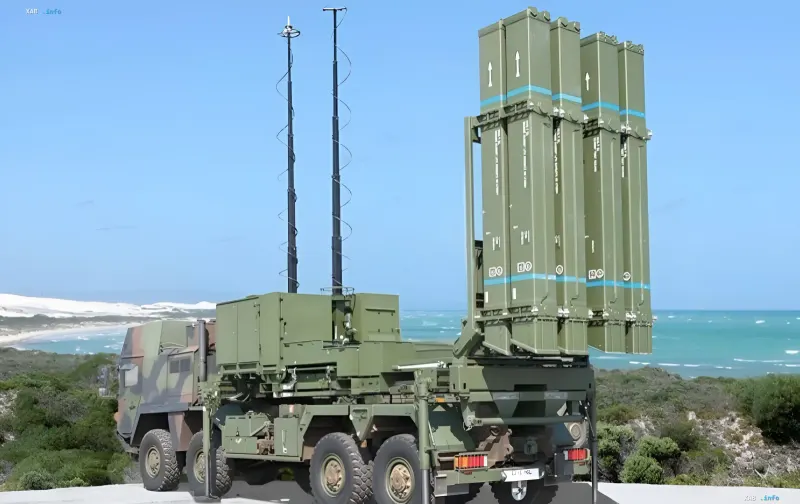
A landmark moment has occurred in Paris for the European defense industry. Leading arms manufacturers on the continent have signed a historic document launching the Bliksem EXO project. Its primary goal is to create Europe's first sovereign exo-atmospheric interceptor capable of destroying ballistic targets directly in space.
Technological leap and independence
The decision to create a new interceptor is driven by the need to close critical gaps in EU defense. EU leaders recognize the risks associated with dependence on American systems, such as Patriot, and strive to acquire their own defense tools. Russia's invasion of Ukraine has vividly demonstrated that the threat of ballistic missile use is no longer theoretical but a reality.
The key feature of the new weapon is its operation in a vacuum. Long-range ballistic missiles do not fly within the atmosphere like aircraft. They exit its boundaries, spending the majority of their flight in space. Traditional air defense systems physically cannot reach targets at such altitudes. Bliksem EXO will neutralize the threat at a safe distance from cities by intercepting missiles during their space phase of flight.
Timelines and coalition participants
Project partners intend to act on a tight schedule. Just three months after signing the preliminary document, the parties plan to conclude a legally binding agreement. The first tests of the exo-atmospheric vehicle in space are scheduled for 2027.
Nine European Union countries, along with Ukraine, have joined forces to create an anti-ballistic coalition. This alliance was formed against the backdrop of growing threats from Russia. Ukraine is not merely an observer in this process but an active participant in the development of defense systems.
Ukraine's contribution to the pan-European shield
The Ukrainian side has already demonstrated its competencies in this field. The company Fire Point presented its own anti-ballistic missiles, FP-7.x, which are being developed for the future Freyja air defense system. Furthermore, the concept of Freyja as a pan-European anti-ballistic shield was presented. According to plans, this system is to be in common ownership of partner countries, highlighting the level of integration of defense efforts.