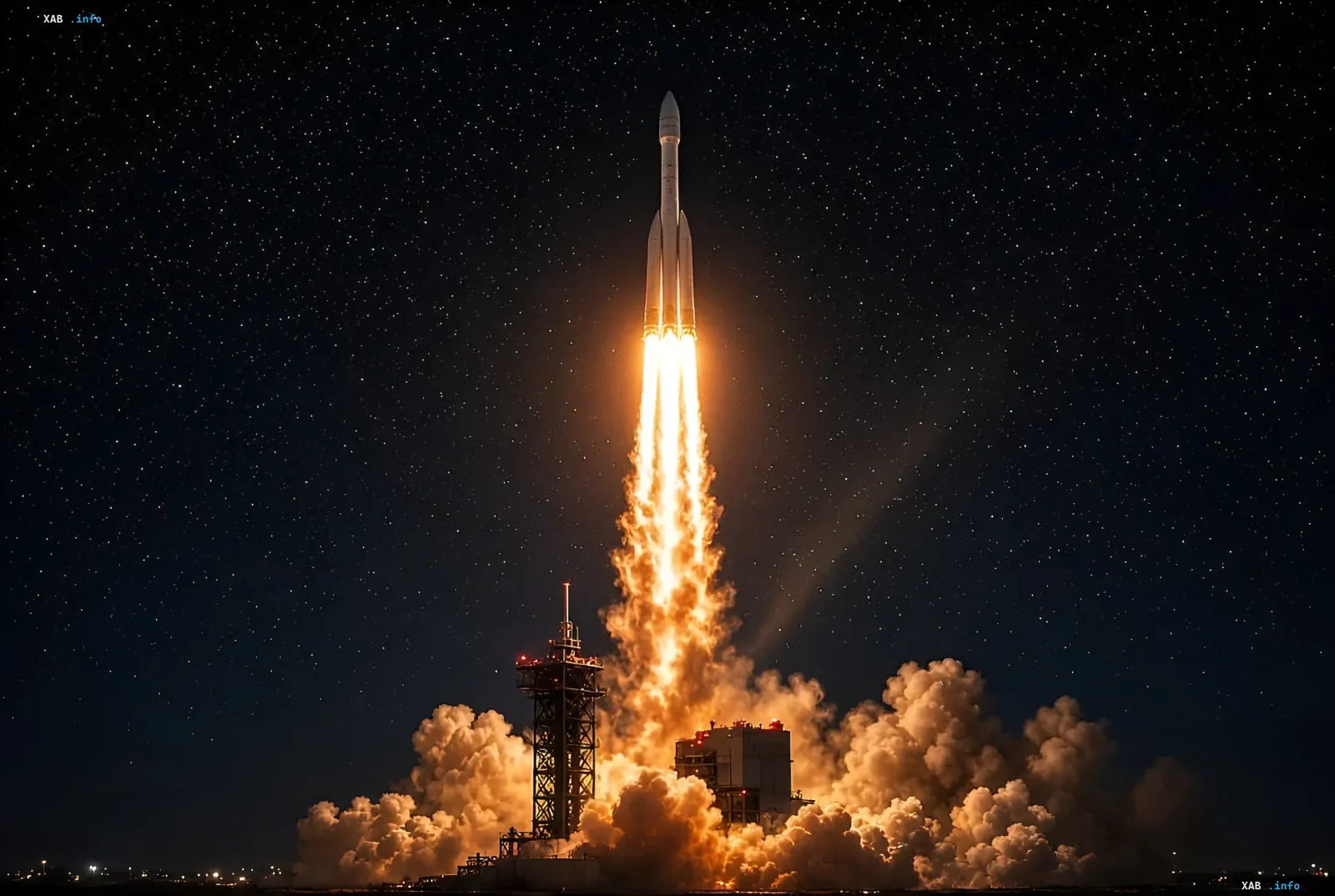
In August 2026, the European Space Agency (ESA) released an alarming forecast concerning the future of the European space industry. Agency Director General Josef Aschbacher officially declared the risk of a critical shortage of domestically produced launch vehicles. According to him, the sharp rise in demand for satellite launch services expected by the end of the decade may exceed the production capabilities of European companies.
Peak Load Forecast for 2029–2031
According to internal assessments by ESA experts, the period from 2029 to 2031 will be a stress test for Europe's entire space infrastructure. It is during these years that the maximum concentration of launches, initiated by both government programs and private companies, is expected. Current production rates of launch vehicles, including the heavy "Ariane 6" and the light "Vega," may prove insufficient to meet this surge in demand, creating a threat of delays in deploying key satellites into orbit.
Strategy for Scaling Up Vega-C Production
As one of the priority solutions, ESA is considering the possibility of increasing funding for the production of light launch vehicles "Vega-C." This type of rocket is ideal for launching small and medium-sized satellites, demand for which is growing most dynamically. However, as noted by the agency, the adoption of specific financial decisions will depend on a detailed assessment of costs and the production capacities of European contractors. It is necessary to ensure that expanding the production line does not lead to a redistribution of resources to the detriment of other strategic projects.
Fight for Strategic Independence
The main task facing the European space industry today goes beyond simply meeting commercial demand. It is about preserving the strategic independence of the European Union in space. In the context of geopolitical instability and the dominance of American and Chinese players in the launch market, dependence on foreign launch vehicles has become an unacceptable scenario for Brussels. Budgetary and organizational decisions made in the next two years will have a decisive influence on whether Europe can maintain sovereign access to space in the 2030s.