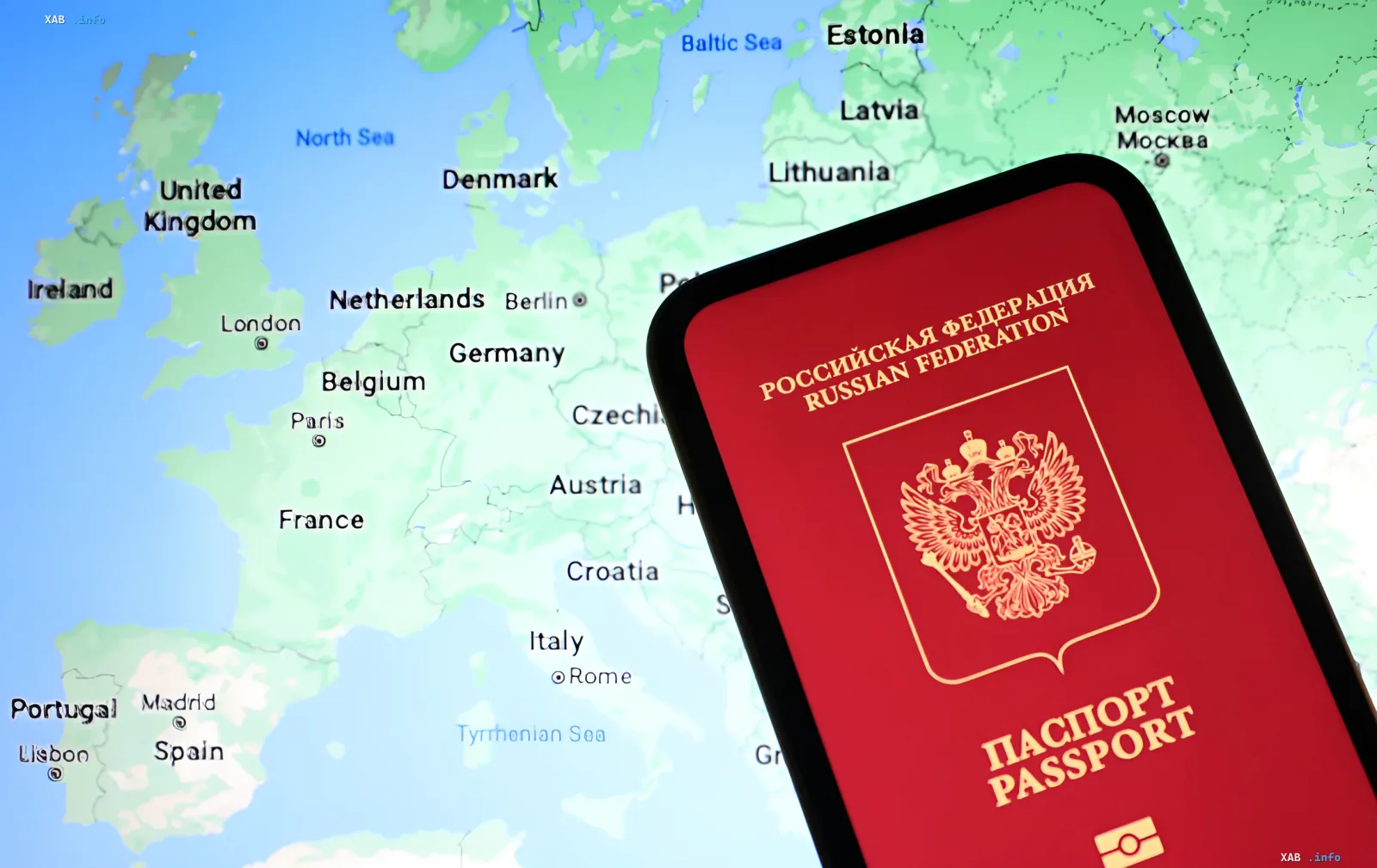
The European Commission is preparing a comprehensive package of initiatives aimed at significantly tightening visa rules for citizens of the Russian Federation. According to reputable European media, Brussels intends to introduce stricter control mechanisms to protect European Union countries from potential hybrid threats, including sabotage, subversion, and cyberattacks. The need to revise current migration policy has been long overdue amid frequent security incidents across various parts of the continent.
Background and Position of Northern and Eastern European Countries
The Brussels initiative is a response to persistent calls from a number of EU member states, led by Poland, Sweden, and Estonia. Swedish Minister of Justice Gunnar Strömmer openly stated that there are critical vulnerabilities in the current visa system that opponents can exploit. According to him, amid concerns over arsons, sabotage, and other hostile operations associated with Moscow, the issue of strengthening control is of paramount importance. In turn, official Tallinn proposes going even further and completely banning entry to the European Union for former military personnel of the Russian army, whose number is estimated at approximately 650,000.
Contradictory Data
Certain discrepancies remain between European capitals regarding the timing and scale of introducing new restrictions. Specifically, the Swedish side insists on swift action and expresses the desire for the European Commission to present its proposals much earlier than January of next year, as officially planned. At the same time, some experts and diplomatic sources indicate that developing a comprehensive mechanism for such sweeping bans may require more time for consensus among all community members, casting doubt on the promptness of the initiative's implementation.
Scale of Tourist Flow and Security Risks
Statistics from the previous period show significant volumes of document issuance: last year alone, Russian citizens received about 478,000 Schengen tourist visas, a significant portion of which were multiple-entry. Estonian Foreign Minister Margus Tsahkna emphasizes that some former combatants may attempt to enter Europe with the support of Russian special services to engage in terrorist activities and organized crime. These concerns are shared by other block countries, including France and Lithuania, which have previously recorded signs of preparations for false-flag operations and the appearance of suspicious drones near strategic sites.